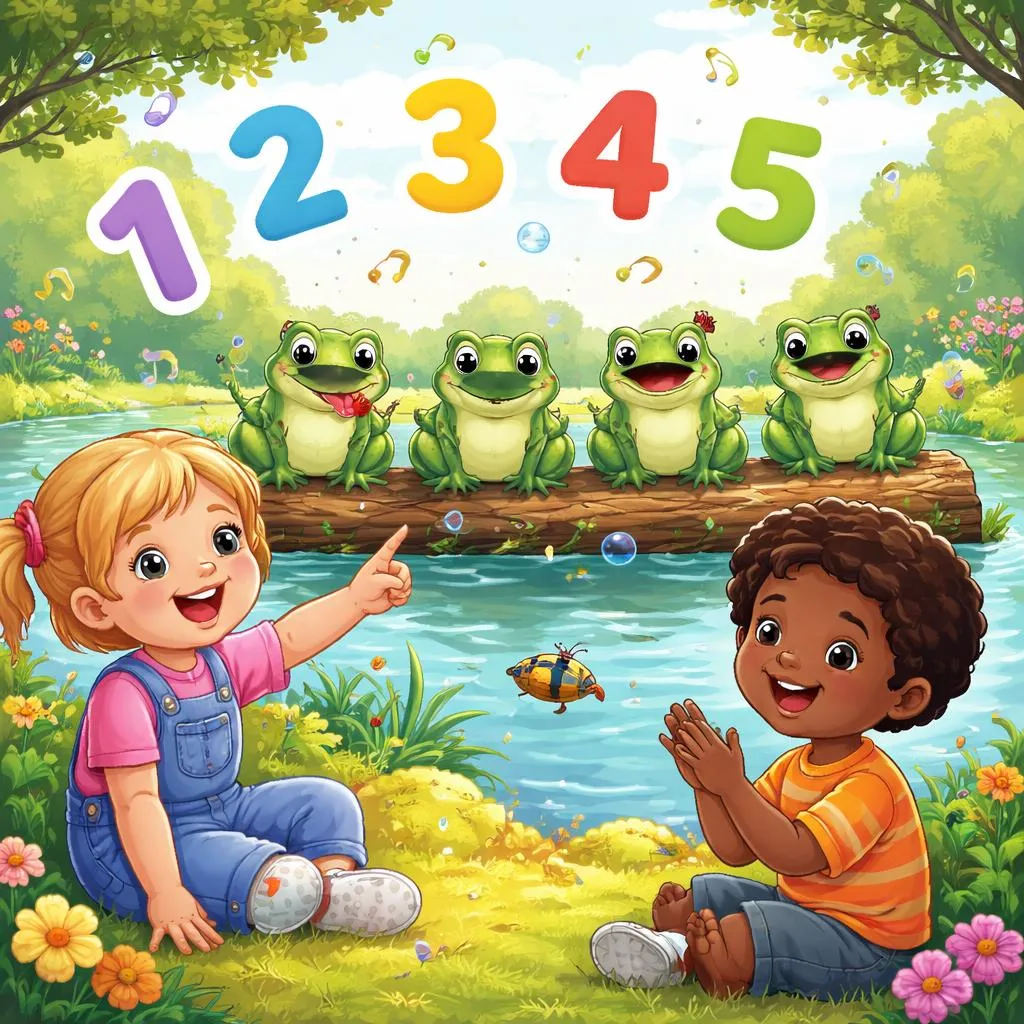

Hello, dedicated educators! Today we are exploring a beloved classroom classic. The "speckled frog song" has delighted young learners for generations. This simple rhyme combines music with early math concepts. We will examine its structure and learning potential. We will explore vocabulary, phonics, and grammar points. We will also share engaging classroom activities. This guide will help you maximize this song's educational value. Let's discover together what makes these little frogs such effective teachers.
What Is the "Speckled Frog" Rhyme?
This rhyme is also known as "Five Green and Speckled Frogs." It tells the story of five frogs sitting on a log. They eat delicious bugs. One by one, they jump into the pool. The song counts down from five to zero. This cumulative structure makes it perfect for teaching subtraction. Children love the repetitive pattern. The "yum yum" and "glub glub" sounds add playful elements. The rhyme works well for group singing. It encourages active participation from everyone.
The Lyrics of the Nursery Rhyme
Let us review the complete traditional lyrics. The most common version goes like this:
Five green and speckled frogs,
Sat on a speckled log,
Eating some most delicious bugs. (yum, yum!)
One jumped into the pool,
Where it was nice and cool,
Then there were four green and speckled frogs. (glub, glub!)
The song continues with four frogs, then three, then two, then one. After the last frog jumps, the final line changes. It becomes, "Then there were no green and speckled frogs." Some versions end with "glub, glub" after each verse. The repetition builds anticipation and memory skills.
Vocabulary Learning from the Song
This rhyme introduces several key vocabulary words. Let us explore each one carefully.
Frogs: These are small amphibians. They live near water. They can jump very high. We can show pictures of real frogs. We can talk about where frogs live. This builds science connections.
Speckled: This means having small spots. The frogs have speckles. The log is speckled too. We can look for speckled patterns in the classroom. We can find examples in nature. This builds descriptive vocabulary.
Log: This is a piece of a tree. Frogs sit on logs in the water. We can show pictures of logs. We can talk about wood and trees. This connects to nature study.
Pool: This is a small body of water. The frogs jump into the pool. We can discuss different types of water. Ponds, lakes, and puddles are related words.
Bugs: These are small insects. The frogs eat bugs for food. We can talk about what animals eat. This builds science vocabulary.
Delicious: This means tastes very good. The bugs are delicious to the frogs. We can talk about foods we find delicious. This builds opinion language.
Phonics Points to Practice
The "speckled frog song" offers excellent phonics opportunities. Let us focus on specific sounds.
The F Sound: Frog starts with F. We can practice the /f/ sound. We can feel our top teeth on our bottom lip. We can think of other F words. Fish, fun, and farm are good examples. This builds phonemic awareness.
The L Sound: Log starts with L. We can practice the /l/ sound. We can feel our tongue on the roof of our mouth. We can think of other L words. Leaf, lion, and leg are good examples.
The SP Blend: Speckled starts with SP. This is a consonant blend. Two consonants together make two sounds. We can practice other SP words. Spot, spin, and spoon are good examples.
Rhyming Words: The rhyme has clear rhyming pairs. Frogs and logs rhyme. Pool and cool rhyme. Recognizing rhymes builds reading readiness. We can think of other words that rhyme with frog. Dog, bog, and jog are good examples.
Grammar Patterns We Can Teach
The simple sentences in this song provide grammar lessons. Let us look at a few patterns.
Counting and Numbers: The song teaches cardinal numbers. Five, four, three, two, one, zero. We can practice counting forward and backward. We can count classroom objects. This connects math and language.
Past Tense Verbs: The song uses "sat" and "jumped." These are past tense verbs. The actions already happened. We can contrast with present tense. "The frog sits. Now it jumped." This teaches verb tense.
Prepositions: The song uses "on" and "into." The frogs sit on the log. They jump into the pool. These are position words. We can practice with classroom objects. Put the book on the desk. Put the pencil into the cup.
Descriptive Adjectives: The song uses green, speckled, and delicious. These describe nouns. We can practice describing things. The red ball. The tasty snack. This builds richer language.
Learning Activities for the Classroom
Let us explore activities that bring this song to life. These ideas work for various learning styles.
Activity 1: Frog Puppet Math
Create simple frog puppets using green paper or craft sticks. Make five puppets. Also create a paper log. As you sing the song, place five frogs on the log. When a frog jumps, remove one puppet. Count how many remain. This makes subtraction concrete and visual. Children see the numbers decrease.
Activity 2: Speckled Log Craft
Provide brown paper rolls or paper tubes. Give students brown paint or markers. Have them add speckles using cotton swabs or fingertips. They can also add green frog cutouts. Display these logs around the room. This builds fine motor skills while reinforcing vocabulary.
Activity 3: Bug Hunt
Hide plastic bug toys around the classroom. Tell students the frogs are hungry. They need to find bugs to eat. Students search for bugs. Count how many each child finds. Sort bugs by color or size. This adds movement and excitement to the lesson.
Activity 4: Frog Life Cycle Discussion
Extend the learning into science. Talk about how frogs grow. They start as eggs. They become tadpoles. They grow legs. They become frogs. Show pictures of each stage. This builds cross-curricular connections.
Printable Materials for Your Lessons
Visual supports enhance learning for young children. Here are some printable ideas.
Frog Counting Cards: Create cards numbered one through five. On each card, show that many frogs. Students can point and count. They can match number cards to frog cards. This builds number recognition.
Sequencing Cards: Create picture cards showing the song's events. Card one shows five frogs on a log. Card two shows four frogs. Continue down to zero. Students arrange them in order. This builds comprehension and sequencing skills.
Vocabulary Flashcards: Create cards for key words. Include frog, log, pool, bugs, speckled, and jump. Use simple pictures on one side. Write the word on the other side. Use these for review games and practice.
Coloring Page: Create a simple coloring page. Show a log with five frogs. Add a pool below. Students color while listening to the song. They can add their own speckles to the frogs. This combines art with language exposure.
Educational Games to Reinforce Learning
Games make review sessions exciting and effective. Here are some game ideas.
Game 1: Frog Jump Counting
Cut out lily pads from green paper. Place them on the floor in a path. Number them from one to ten. Students pretend to be frogs. They jump from pad to pad. They say the number as they land. This combines gross motor skills with counting practice.
Game 2: Speckled Frog Memory Match
Create pairs of cards. One card shows a number. The matching card shows that many frogs. Place cards face down. Students take turns flipping two cards. They try to find matches. They must count the frogs to check. This builds memory and counting skills.
Game 3: Feed the Frog
Create a large frog puppet or box with a mouth. Cut out fly shapes from paper. On each fly, write a letter, number, or word. Students take turns feeding the frog. They must say what is on the fly. This game adapts to many learning goals. It makes review very fun.
Game 4: Musical Lily Pads
Place paper lily pads on the floor. Use one less pad than the number of students. Play the speckled frog song. Students hop around like frogs. When the music stops, they must stand on a lily pad. The student without a pad sits out. Remove one pad each round. This teaches quick thinking and counting.
Game 5: Frog Pond Sensory Bin
Create a sensory bin with blue water beads or blue rice. Add plastic frogs and small logs. Add rocks and plastic bugs. Students play in the bin. They act out the song with the toys. They count the frogs as they play. This provides hands-on, exploratory learning.
We have explored the rich learning potential of this classic song. The "speckled frog song" offers so much to young learners. We looked at vocabulary development. We practiced letter sounds and phonics. We explored simple grammar patterns. We shared engaging classroom activities. We created printable materials. We played educational games. This integrated approach makes learning natural and fun. The song's counting structure builds early math skills. The playful sounds keep children engaged. Use these ideas in your classroom. Adapt them to your students' needs. Watch as your learners sing, count, and grow. These little speckled frogs will become beloved teachers in your classroom. Their jumps into the pool will lead your students to new learning heights.