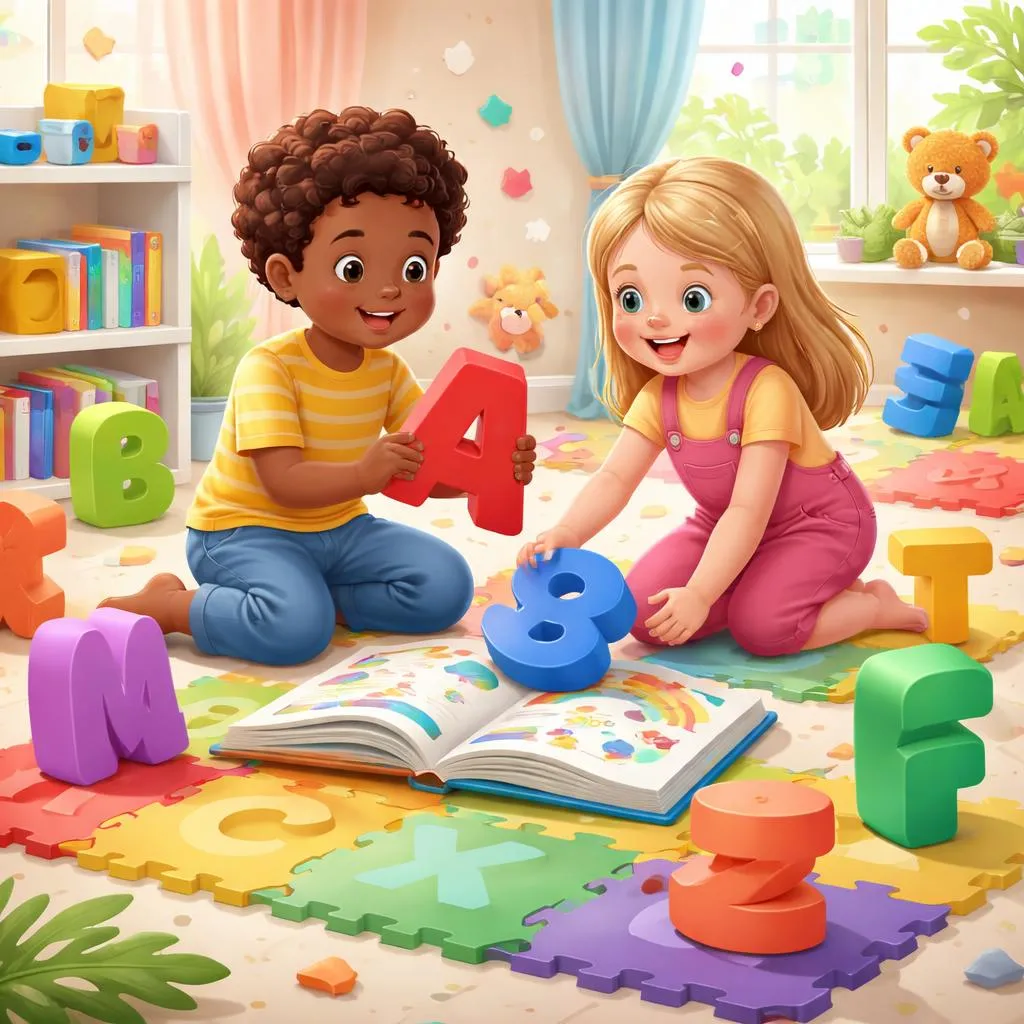

Hello, wonderful educators! Today we are exploring the foundation of written language. We will focus on "the alphabet." These twenty-six letters are the building blocks of English. Every word we read and write uses them. Understanding the alphabet is crucial for young learners. We will examine what the alphabet is. We will explore letter names and sounds. We will share practical teaching strategies. We will provide engaging classroom activities. This guide will help you teach the alphabet effectively. Let's begin this foundational literacy journey together.
What Is the Alphabet?
The alphabet is a set of letters used to write a language. The English alphabet has twenty-six letters. They come in two forms: uppercase and lowercase. Uppercase letters are also called capital letters. Lowercase letters are smaller.
The alphabet appears in a specific order. A comes first, then B, then C, and so on to Z. This order is important for organizing information. Dictionaries use alphabetical order. Lists and indexes use it too.
Each letter represents one or more sounds. These sounds combine to form words. Learning the alphabet means learning both the names and the sounds of letters.
The alphabet is everywhere in our world. Children see letters on signs, in books, and on screens. Knowing the alphabet helps them make sense of this written environment.
Meaning and Explanation of the Alphabet
Let us explore what the alphabet means for reading and writing. Letters are symbols that represent sounds. This is the alphabetic principle. Understanding this principle is key to learning to read.
The alphabet has twenty-six letters. But these letters make about forty-four sounds in English. Some letters make more than one sound. The letter C can sound like /k/ in cat or /s/ in city. This complexity makes learning interesting.
Vowels are a special group of letters. A, E, I, O, U are vowels. Sometimes Y acts as a vowel too. Vowels are the heart of syllables. Every word must have at least one vowel sound.
Consonants are the other letters. They work with vowels to form words. B, C, D, F, and so on are consonants. They make sounds that are blocked by the mouth in some way.
Learning letter names helps children talk about letters. They can ask, "What sound does B make?" They can spell words by naming letters. Letter names are like labels for the symbols.
Learning letter sounds is even more important. Sounds let children decode words. They can sound out c-a-t to read cat. This is the beginning of independent reading.
Categories of Alphabet Knowledge
Alphabet learning involves several different skills. Let us explore each category.
Letter Recognition: This means identifying letters by sight. Children learn to recognize both uppercase and lowercase forms. They can point to the letter M. They can find all the letter S on a page.
Letter Naming: This means saying the name of a letter. Children see the shape and say "B." They see the shape and say "R." This connects the visual form to a verbal label.
Letter Sounds: This means knowing what sound a letter makes. Children learn that B says /b/. They learn that M says /m/. This is phonics knowledge.
Letter Formation: This means writing letters correctly. Children learn how to form each letter. They learn which strokes to make. They learn where to start and stop.
Alphabetical Order: This means knowing the sequence of letters. Children learn that A comes before B. They learn that Z is last. This helps with using dictionaries and indexes.
Uppercase and Lowercase Matching: This means knowing that A and a are the same letter. Children learn to match capitals to their lowercase partners.
Daily Life Examples with the Alphabet
We can weave alphabet learning into everyday conversations. This makes learning natural and continuous.
During morning message, point to letters. "Today's message starts with T. T is for Tuesday." "Look at all the letters in your name."
During story time, notice letters. "This page has a big letter at the beginning. That is the first letter of the story." "Can you find the letter that starts your name?"
During environmental print walks, spot letters. "That sign says STOP. What letters do you see?" "The store name starts with W. W is for Walmart."
During snack time, talk about first letters. "Apple starts with A. Banana starts with B. Cookie starts with C." This connects letters to familiar foods.
During transition times, use letter games. "If your name starts with a letter in the word CAT, line up first." "Everyone whose name starts with A can go to lunch."
Printable Flashcards for the Alphabet
Flashcards provide excellent visual support for alphabet learning. Here are many ideas for creating them.
Uppercase Letter Cards: Create cards with large uppercase letters. A, B, C, through Z. Use clear, simple fonts. No decorative styles that confuse young learners.
Lowercase Letter Cards: Create matching cards with lowercase letters. a, b, c, through z. Students match uppercase to lowercase.
Letter Picture Cards: Create cards with a letter on one side. On the other side, show a picture of something starting with that sound. A for apple. B for ball. This builds sound connections.
Letter Formation Cards: Create cards showing the correct path for writing each letter. Include arrows and numbers for stroke order. Students can trace with fingers.
Alphabet Wall Cards: Create large cards for classroom display. Show the letter, a picture, and the word. Refer to them often during lessons.
Letter Sound Cards: Create cards with the letter and pictures of multiple words starting with that sound. B shows ball, bat, banana, butterfly. This builds sound recognition.
Learning Activities or Games for the Alphabet
Games make alphabet practice fun and memorable. Here are many engaging ideas.
Activity 1: Letter of the Day
Choose one letter to focus on each day. Talk about it throughout the day. Find things that start with that letter. Practice writing it. Sing songs about it. This immerses children in one letter at a time.
Activity 2: Alphabet Hunt
Go on a letter hunt around the classroom or school. Find letters on posters, books, labels, and signs. When children find a letter, they name it and make its sound. This builds real-world connections.
Activity 3: Letter Show and Tell
Ask children to bring something from home that starts with a certain letter. They show the object and talk about the beginning letter. This involves families in alphabet learning.
Activity 4: Name Letter Exploration
Use children's names for alphabet talk. Count the letters in each name. Find letters that appear in multiple names. Compare the first letters of different names. This personalizes learning.
Activity 5: Alphabet Sensory Bins
Fill bins with materials for letter exploration. Include magnetic letters, letter stamps, letter puzzles. Children play and talk about the letters they find. This adds hands-on learning.
Activity 6: Letter Sound Sort
Provide pictures of various objects. Have children sort them by beginning sound. They place the A pictures with the A card. As they sort, they talk about the sounds.
Activity 7: Alphabet Books
Read alphabet books together. Pause to discuss the letters and pictures. Ask questions. "What letter is this?" "What sound does it make?" "What else starts with that letter?"
Activity 8: Letter Writing Practice
Provide materials for writing letters. As children write, talk through the process. "You are making the letter L. First a straight line down, then a line across." This verbalizes the formation.
Activity 9: Alphabet Songs with Discussion
Sing alphabet songs, but pause for discussion. After singing, ask, "What was your favorite letter in that song?" "Can you think of a word that starts with that letter?" This extends learning.
Activity 10: Letter Mystery Bag
Place a magnetic letter in a bag without showing it. Give clues. "This letter makes the /s/ sound. It is in the word sun. What could it be?" Children guess the letter. This builds deductive reasoning.
Activity 11: Alphabet Museum
Create an alphabet museum in the classroom. For each letter, display objects that start with that letter. Children can add items they find. Visit the museum and talk about the displays.
Activity 12: Letter Hop
Place large letter cards on the floor. Call out a letter sound. Children hop to the matching letter. They say the letter name when they land. This combines gross motor skills with learning.
Activity 13: Alphabet Cooking
Make snacks that connect to letters. Make A-shaped cookies. Eat apples for A. Make banana bread for B. Talk about the letters while cooking and eating. This engages multiple senses.
Activity 14: Letter Art
Create art projects focused on letters. Make a collage of things that start with B. Decorate the letter L with leaves. As children create, talk about the letters and their sounds.
Activity 15: Alphabet Interview
Have children interview each other about their favorite letters. "What is your favorite letter? Why? What words start with that letter?" This builds speaking and listening skills.
Activity 16: Letter Detective
Give children magnifying glasses. Have them search for specific letters in books, on posters, and around the room. When they find one, they report back. This builds observation skills.
Activity 17: Alphabet Puppet Conversations
Use puppets to talk about letters. The puppet can ask questions. "What letter is this?" "What sound does it make?" Children answer the puppet. This reduces anxiety about answering.
Activity 18: Letter Sorting by Features
Provide magnetic letters. Have children sort them by features. Letters with straight lines. Letters with circles. Letters with tails. As they sort, they describe the features. This builds observation skills.
Activity 19: Alphabet Scavenger Hunt in Books
Give each child a small sticky note with a letter. They look through books to find that letter. When they find it, they mark the page with the note. Later, share findings with the class.
Activity 20: Letter of the Week Celebration
At the end of a letter-focused week, celebrate that letter. Wear clothes with that letter. Eat snacks starting with that letter. Share items that start with that letter. This reinforces learning joyfully.
Activity 21: Alphabet Bingo
Create bingo cards with letters. Call out letter names or sounds. Students cover matching letters. First to cover a row wins. This builds listening and recognition.
Activity 22: Letter Memory Match
Create pairs of letter cards. Uppercase A with lowercase a. Place them face down. Students turn over two trying to find matches. They name the letter when they make a match.
Activity 23: Letter Tracing Trays
Fill trays with sand, salt, or shaving cream. Students trace letters with their fingers. The sensory input helps memory. They say the letter as they trace.
Activity 24: Alphabet Line-Up
Give each student a letter card. They must arrange themselves in alphabetical order. This builds sequencing and cooperation. Time them for extra challenge.
Activity 25: Letter Sounds Charades
Make the sound of a letter. Students guess which letter makes that sound. Then they act out a word starting with that letter. B sound, then pretend to bounce a ball.
Activity 26: Alphabet Fishing
Create paper fish with letters on them. Attach paper clips. Use a magnet on a string to fish for letters. When students catch a fish, they name the letter.
Activity 27: Letter Building with Playdough
Provide playdough and letter mats. Students roll playdough into snakes and form letters. They say the letter name and sound as they work.
Activity 28: Alphabet Parking Lot
Create a parking lot with letters in each space. Write letters on toy cars. Students park each car in its matching letter space.
Activity 29: Letter Hopscotch
Draw a hopscotch grid with letters instead of numbers. Students toss a marker. They hop to that letter and say its name and sound.
Activity 30: Alphabet I Spy
Say, "I spy with my little eye, something that starts with the letter B." Students look around and guess objects. This builds observation and initial sound awareness.
We have explored the wonderful world of the alphabet together. Mastering "the alphabet" is truly the first step toward reading success. These twenty-six letters open the door to all written language. Children learn to recognize them, name them, and say their sounds. They learn to write them and put them in order. This foundation supports everything that follows in literacy. We looked at what the alphabet is. We explored letter names and sounds. We found examples in daily life. We created printable flashcards for practice. We shared engaging games and activities. This integrated approach makes learning natural and joyful. Use these strategies in your classroom. Adapt them to your students' needs. Watch as your learners fall in love with letters. Their journey to reading will begin with each letter they master. The alphabet will become their key to a world of words.