
原創詩:
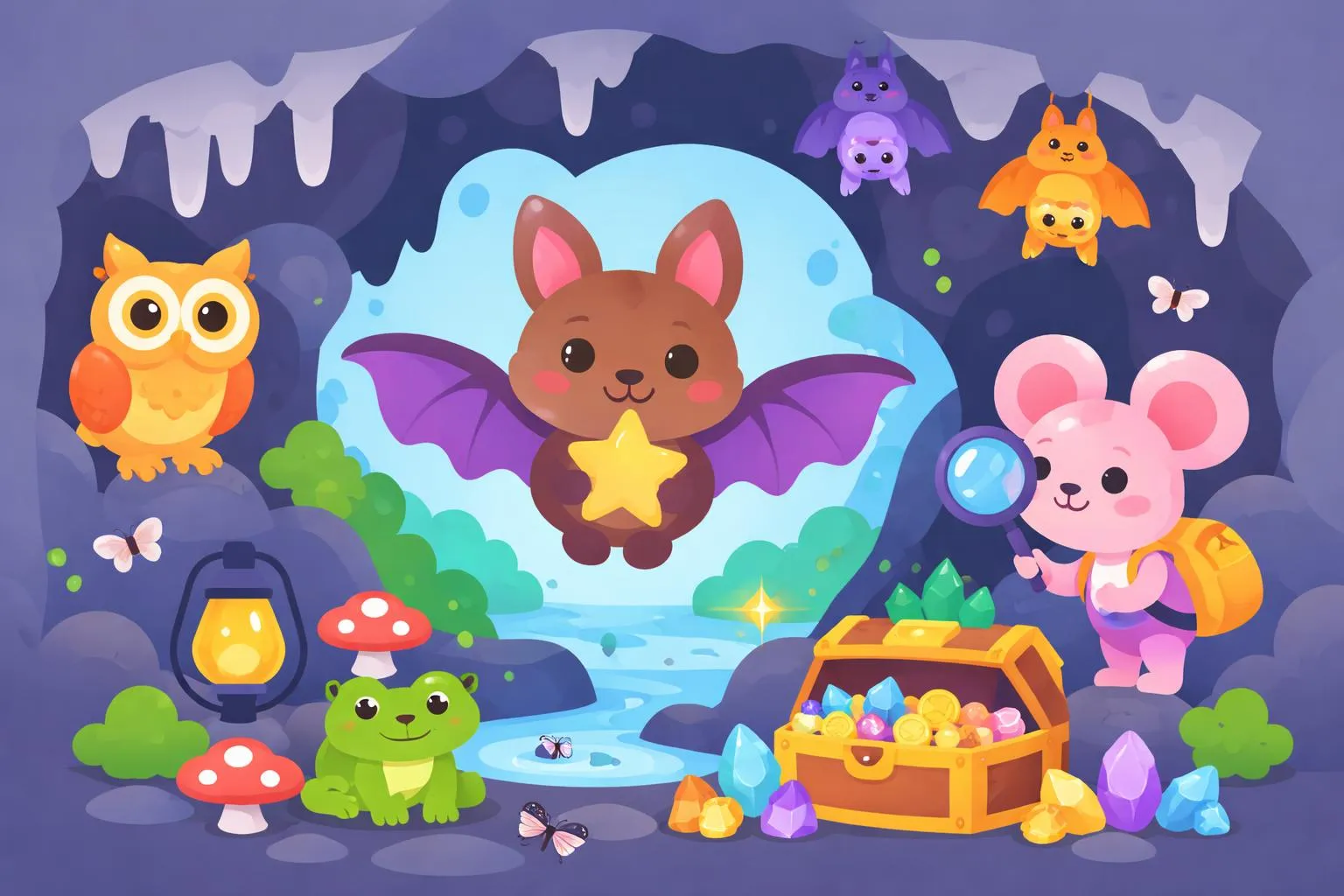
The cave looked much like any other
from a little distance but
as we approached, came almost
to its mouth, we saw its walls within
that slanted up into a dome
were beating like a wild black lung—
it was plastered and hung with
the pulsing bodies of bats, the organ
music of the body’s deep
interior, alive, the sacred cave
with its ten thousand gleaming eyes
near the clustered rocks
where the sea beat with the leather
wings of its own dark waves.
Below the bat-hung, throbbing walls,
an altar stood, glittering with guano,
a stucco sculpture like a Gaudi
church, berserk
Baroque, stone translated into
flux—murk and mud and the floral
extravagance of wet sand dripped
from a giant hand, giving back
blessing, excrement—return
for the first fruits offered to the gods.
We stayed outside, superior
with fear, like tourists
peering through a door, whose hanging
beads rattle in the air from
one who disappeared into the dim
interior; we thought of the caves
of Marabar, of a writer who entered
and never quite emerged—
the caves’ echoing black
emptiness a tunnel in the English
soul where he is wandering still. So
the bat cave on the Bali coast, not far
from Denpasar, holds us off, and beckons ...
Standing there now, at the mouth
of the cave—this time we enter, feel
inside the flutter of those
many hearts, the radiant heat of pumping
veins, the stretch of wing on bone
like a benediction, and the familiar
faces of this many-headed god,
benevolent as night is
to the weary—the way at dark
the cave releases them all,
how they must lift like the foam
on a wave breaking, how many
they are as they enter
the starlit air, and scatter
in wild wide arcs
in search of fruit, the sweet bites
of mosquito ...
while the great domes of our
own kind slide open, the eye
that watches, tracks the skies,
and the huge doors roll slowly back
on the hangars, the planes
push out their noses of steel,
their wings a bright alloy
of aluminum and death, they roar
down the runways, tear into
the night, their heavy bodies fueled
from sucking at the hidden
veins of earth; they leave a trail of fire
behind them as they scar
the air, filling the dreams
of children, sleeping—anywhere,
Chicago, Baghdad—with blood,
as the bombs drop, as the world
splits open, as the mothers
reach for their own
in the night of the falling
sky, madness in
method, nature gone
into reverse ...
here, nearly unperturbed,
the bats from the sacred cave
fill the night with their calls,
high-pitched, tuned to the solid world
as eyes to the spectrum of light, gnats
to the glow of a lamp—the bats
circle, the clouds wheel,
the earth turns
pulling the dome of stars
among the spinning trees, blurring
the sweet globes of fruit, shaped
exactly to desire—dizzy, we swing
back to the cave on our stiff dark
wings, the sweet juice of papaya
drying on our jaws, home
to the cave, to attach ourselves
back to the pulsing dome, until,
hanging there, sated and sleepy,
we can see what was once our world
upside down as it is
and wonder whose altars
those are, white,
encrusted with shit.
詩的分析與詮釋
這首引人深思的詩探討了巴厘島海岸一個充滿蝙蝠的洞穴的神秘與神聖氛圍,將生動的意象與深刻的象徵主義融合在一起。乍一看,這個洞穴似乎普通,但隨著敘述者的接近,它揭示出一個充滿生命的內部,伴隨著數千隻蝙蝠的能量脈動。這個洞穴成為生命和自然隱秘、原始力量的隱喻,是一個自然界與精神元素交織的神聖空間。
蝙蝠象徵著生命的活力與神秘,它們的身體被形容為「脈動」,翅膀則被比作「祝福」,暗示著神聖與保護。洞穴的牆壁「像野生的黑色肺一樣跳動」,喚起一種活生生的有機體的感覺,這是一顆充滿生命的黑暗之心。閃閃發光的糞便祭壇被比作巴洛克雕塑,融合了神聖與世俗、祝福與排泄,反映了生命、死亡與重生的循環。
詩中還對自然界與人類技術和暴力進行了對比。當蝙蝠飛向尋找水果和昆蟲時,飛機轟鳴著進入夜空,留下火焰與毀滅的痕跡。這種對比突顯了自然與人類工業之間的衝突、和平與戰爭、純真與毀滅。提到炸彈落下和母親恐懼地伸手去找孩子,強調了現代世界的殘酷現實。
在結尾的幾行中,敘述者回到洞穴,感受到與這個原始世界的聯繫,看到世界「顛倒過來」,思考覆蓋著糞便的祭壇的神聖性。這種顛倒邀請讀者重新考慮他們對生命、自然和靈性的看法。
背景與作者信息
雖然詩本身並未指明作者,但其豐富的意象和主題讓人聯想到當代詩人,他們探索自然、靈性和人類衝突。位於巴厘島登巴薩附近的背景暗示了與東南亞風景和文化象徵的聯繫。詩中提到的馬拉巴爾洞穴參考了E.M.福斯特的小說《印度之行》,該小說中的洞穴象徵著存在的神秘和人類靈魂的未知深度。
這首詩可能受到詩人參觀蝙蝠洞的經歷啟發,觀察自然奇觀,並反思生命與死亡、自然與人類干預的更廣泛意義。神聖意象與現代暴力的融合反映了全球對環境破壞和戰爭影響的關注。
反思與個人回應
閱讀這首詩引發敬畏與沉思。對洞穴和蝙蝠的生動描述創造了一種沉浸式的體驗,將我們帶入一個既古老又充滿生命的世界。與人類技術和暴力的對比引人注目且感人,提醒我們生命與毀滅之間的脆弱平衡。
這首詩鼓勵我們重新連接自然的節奏和神秘,超越事物的表面,尊重意想不到地方的神聖性。它還挑戰我們反思自己在世界中的角色——我們的行為如何影響環境和他人的生活。
教育價值與兒童及學生的學習要點
這首詩為學生探索意象、象徵主義和對比提供了豐富的材料。主要學習要點包括:
- 理解意象:學生可以分析詩人如何使用感官細節來創造生動的畫面(例如,「野生的黑色肺」、「脈動的蝙蝠身體」)。
- 探索象徵主義:洞穴、蝙蝠、祭壇和飛機象徵著更深層的主題,如生命、死亡、靈性和衝突。
- 認識對比:自然與技術、和平與戰爭、神聖與世俗。
- 發展詮釋技能:鼓勵學生思考詩歌對人類與自然和暴力關係的暗示。
- 增強詞彙量:像「糞便」、「巴洛克」、「祝福」和「流動」這樣的詞語提供了擴展語言技能的機會。
實用應用與生活課程
- 環境意識:詩歌強調尊重自然棲息地及其中生物的重要性。
- 文化欣賞:了解蝙蝠和洞穴在不同文化中的重要性。
- 批判性思維:反思人類行為對環境和社會的影響。
- 創意表達:激勵學生寫自己的詩或故事,關於自然和靈性。
閱讀理解問題
- 蝙蝠在詩中有何重要性?
- 詩人如何描述洞穴的內部?
- 自然與人類技術之間呈現了哪些對比?
- 為什麼詩人提到馬拉巴爾洞穴?
- 詩歌在讀者心中引發了什麼情感?
- 詩歌如何將自然界與靈性聯繫起來?
- 詩歌傳達了有關人類對環境影響的什麼信息?
- 描述用於描繪飛機及其對夜空影響的意象。
- 覆蓋著糞便的祭壇象徵著什麼?
- 詩歌的結尾如何挑戰讀者的視角?
答案鍵
- 蝙蝠象徵著生命、活力和自然的神聖性。
- 洞穴的內部被描述為一個充滿生命的空間,牆壁傾斜成圓頂,隨著蝙蝠的身體脈動。
- 詩歌對比了蝙蝠的和平自然飛行與轟鳴的、破壞性的飛機,這些飛機由地球資源驅動。
- 馬拉巴爾洞穴象徵著神秘與未知,參考了一位從未完全浮現的作家,暗示洞穴的精神深度。
- 詩歌引發敬畏、恐懼、尊敬和沉思。
- 詩歌通過祭壇和蝙蝠的翅膀作為祝福的神聖意象,將自然與靈性聯繫起來。
- 它警告人類行為的破壞性後果,如戰爭和環境破壞。
- 飛機被描繪成鋼鐵機器,擁有鋁製的翅膀和死亡,撕裂夜空,留下火焰的痕跡。
- 祭壇象徵著生命與死亡的循環,混合了祝福與排泄,神聖與世俗。
- 結尾邀請讀者從新的顛倒視角看待世界,並質疑神聖空間的意義。
這首詩是深化學生對詩歌、自然和人類存在複雜性的欣賞的強大資源。它鼓勵深入討論和創意探索,使其成為專注於文學和環境研究的教育課程的絕佳補充。