
原創詩:
Off Highway 106
At Cherrylog Road I entered
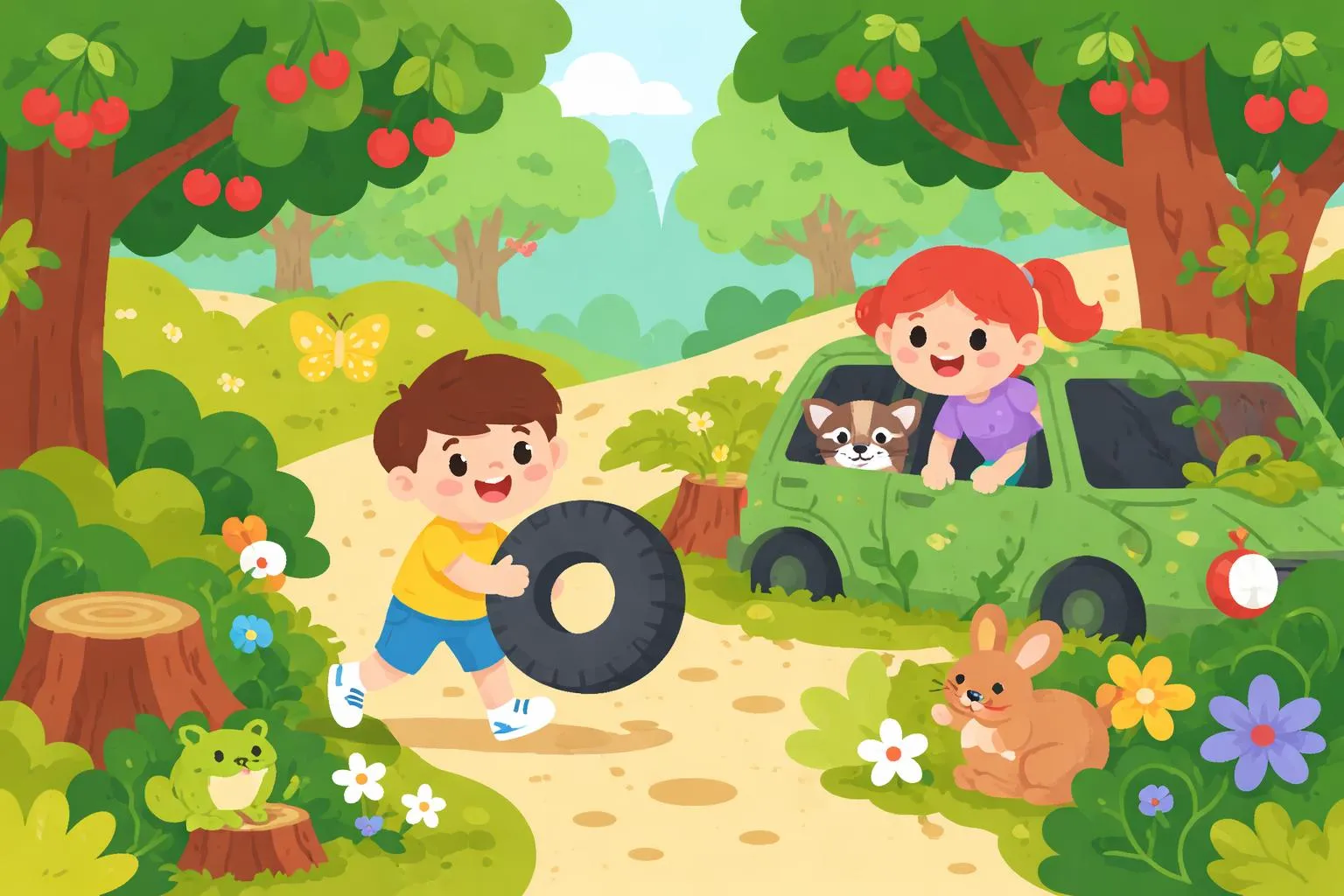
The ’34 Ford without wheels,
Smothered in kudzu,
With a seat pulled out to run
Corn whiskey down from the hills,
And then from the other side
Crept into an Essex
With a rumble seat of red leather
And then out again, aboard
A blue Chevrolet, releasing
The rust from its other color,
Reared up on three building blocks.
None had the same body heat;
I changed with them inward, toward
The weedy heart of the junkyard,
For I knew that Doris Holbrook
Would escape from her father at noon
And would come from the farm
To seek parts owned by the sun
Among the abandoned chassis,
Sitting in each in turn
As I did, leaning forward
As in a wild stock-car race
In the parking lot of the dead.
Time after time, I climbed in
And out the other side, like
An envoy or movie star
Met at the station by crickets.
A radiator cap raised its head,
Become a real toad or a kingsnake
As I neared the hub of the yard,
Passing through many states,
Many lives, to reach
Some grandmother’s long Pierce-Arrow
Sending platters of blindness forth
From its nickel hubcaps
And spilling its tender upholstery
On sleepy roaches,
The glass panel in between
Lady and colored driver
Not all the way broken out,
The back-seat phone
Still on its hook.
I got in as though to exclaim,
“Let us go to the orphan asylum,
John; I have some old toys
For children who say their prayers.”
I popped with sweat as I thought
I heard Doris Holbrook scrape
Like a mouse in the southern-state sun
That was eating the paint in blisters
From a hundred car tops and hoods.
She was tapping like code,
Loosening the screws,
Carrying off headlights,
Sparkplugs, bumpers,
Cracked mirrors and gear-knobs,
Getting ready, already,
To go back with something to show
Other than her lips’ new trembling
I would hold to me soon, soon,
Where I sat in the ripped back seat
Talking over the interphone,
Praying for Doris Holbrook
To come from her father’s farm
And to get back there
With no trace of me on her face
To be seen by her red-haired father
Who would change, in the squalling barn,
Her back’s pale skin with a strop,
Then lay for me
In a bootlegger’s roasting car
With a string-triggered I2-gauge shotgun
To blast the breath from the air.
Not cut by the jagged windshields,
Through the acres of wrecks she came
With a wrench in her hand,
Through dust where the blacksnake dies
Of boredom, and the beetle knows
The compost has no more life.
Someone outside would have seen
The oldest car's door inexplicably
Close from within:
I held her and held her and held her,
Convoyed at terrific speed
By the stalled, dreaming traffic around us,
So the blacksnake, stiff
With inaction, curved back
Into life, and hunted the mouse
With deadly overexcitement,
The beetles reclaimed their field
As we clung, glued together,
With the hooks of the seat springs
Working through to catch us red-handed
Amidst the gray breathless batting
That burst from the seat at our backs.
We left by separate doors
Into the changed, other bodies
Of cars, she down Cherrylog Road
And I to my motorcycle
Parked like the soul of the junkyard
Restored, a bicycle fleshed
With power, and tore off
Up Highway 106, continually
Drunk on the wind in my mouth,
Wringing the handlebar for speed,
Wild to be wreckage forever.
詩的分析與詮釋
這首引人深思的詩描繪了106號公路旁的廢車場場景,講述了說話者探索舊的、被遺棄的汽車,每輛車都有其獨特的歷史和性格。詩中的意象豐富而具觸感,從「沒有輪子的’34福特,被葛藤覆蓋」到「藍色雪佛蘭,釋放出另一種顏色的生鏽」。詩捕捉了懷舊與衰敗的感覺,但同時也展現了一種狂野的自由和年輕的冒險。
中心人物多莉絲·霍爾布魯克,成為叛逆與逃避的象徵。她偷偷離開父親的農場,從廢車場中撿拾零件,體現了獨立和足智多謀的精神。詩的語調在廢車場的安靜、幾乎神聖的探索與多莉絲回歸的緊張期待之間轉換——這是一種興奮與對她父親嚴厲管教的恐懼的混合。
詩的隱喻層次深刻。廢車場成為一個邊界空間,過去的生活、記憶和身份在此交錯——「經歷許多狀態,許多生命」。這些汽車不僅是殘骸,而是故事的載體,「向外發送盲目的盤子」和「在昏昏欲睡的蟑螂上灑下柔軟的內裝」。說話者與這個地方和多莉絲的親密聯繫揭示了渴望、保護和逃避社會約束的主題。
背景與作者介紹
這首詩是美國當代詩歌的作品,反映了南方哥特文學中常見的主題——衰敗、家庭緊張、鄉村環境和複雜的人類情感。雖然這裡沒有提到作者的名字,但他可能基於個人或地區的經歷來創造出真實的氛圍。
106號公路和櫻桃日誌路的背景將詩置於特定的地理和文化背景中,可能是在美國南方,舊汽車和鄉村風景是常見的主題。「玉米威士忌」和「走私者的烤車」的提及暗示了禁酒時代或鄉村私釀文化的歷史背景。
反思與個人回應
閱讀這首詩讓人感到一種苦樂參半的情感。衰敗中有美,年輕人在自由與壓迫之間掙扎的感覺令人心痛。說話者對多莉絲的同情和對她安全的保護希望深深共鳴。詩邀請讀者思考地方和物品如何承載記憶,以及個人歷史如何與物理景觀交織。
教育見解與學習重點
學生可以從這首詩中學到幾個有價值的課程:
-
意象與象徵主義: 這首詩充滿了描述性語言,創造出生動的心理意象和象徵意義。學生可以探索像舊汽車這樣的物品如何象徵記憶、歷史和情感狀態。
-
逃避與叛逆的主題: 多莉絲的角色提供了一個討論獨立、家庭衝突和渴望突破約束的主題的機會。
-
背景作為角色: 廢車場不僅是背景;它幾乎像一個活生生的實體,塑造著情緒和敘事。這可以幫助學生理解背景如何影響故事和情緒。
-
敘事聲音與語調: 詩的聲音既反思又緊張,將懷舊與緊迫感融合在一起。學生可以分析語調如何影響讀者的情感體驗。
實用應用與生活課程
-
創意寫作: 可以鼓勵學生寫出受充滿回憶的地方或講述故事的物品啟發的詩或故事。
-
批判性思維: 討論詩的主題可以幫助學生反思家庭動態、個人自由和人類情感的複雜性。
-
文化意識: 這首詩提供了一扇了解美國鄉村生活和歷史的窗口,促進文化理解。
-
詞彙發展: 像「葛藤」、「轎車後座」、「輪轂蓋」和「對講機」等詞彙讓學生接觸到豐富他們語言技能的特定術語。
閱讀理解問題
- 廢車場在詩中有何重要性?
- 說話者如何描述不同的汽車?它們象徵著什麼?
- 多莉絲·霍爾布魯克是誰,她在詩中扮演什麼角色?
- 說話者對多莉絲的情況表達了什麼情感?
- 詩如何利用意象創造懷舊與緊張的氛圍?
- 說話者所說的「渴望永遠成為殘骸」是什麼意思?
- 背景如何促進詩的整體主題?
- 你能在詩中識別出哪些歷史或文化參考?
- 詩如何描繪家庭關係?
- 你認為這首詩傳達了關於青春與自由的什麼信息或教訓?
答案鍵
- 廢車場代表著記憶、衰敗和轉變的地方。它是一個物理和象徵的空間,過去的生活和故事在此交錯。
- 汽車以生動的細節描述,每輛都有獨特的特徵和歷史。它們象徵著失去的時間、被遺忘的故事和生命的流逝。
- 多莉絲·霍爾布魯克是一位年輕女性,她逃離父親的農場,探索廢車場並收集零件。她象徵著叛逆、希望和渴望自由。
- 說話者對多莉絲感到保護、希望和焦慮。對她勇氣的欽佩與對她面臨後果的恐懼交織在一起。
- 詩使用詳細的感官描述——如生鏽、熱度和聲音——創造出懷舊與緊張的氛圍。
- 這句話暗示著渴望保持狂野、自由和不受拘束,即使這意味著像殘骸一樣被打破或丟棄。
- 鄉村、衰敗的背景強調了失落、記憶和在限制環境中追求自由的主題。
- 參考包括玉米威士忌、走私者和鄉村農場,喚起南方美國文化和歷史。
- 家庭關係被描繪得複雜且有時嚴厲,特別是多莉絲父親的嚴格管教。
- 這首詩傳達了青春叛逆、尋找身份和自由的苦樂參半的本質主題。
這首詩為學生提供了豐富的材料來探索文學手法、文化背景和人類情感,使其成為語言藝術和社會研究教育的寶貴資源。