
原創詩:
In sixth grade Mrs. Walker
slapped the back of my head
and made me stand in the corner
for not knowing the difference
between
persimmon
and
precision
.
How to choose
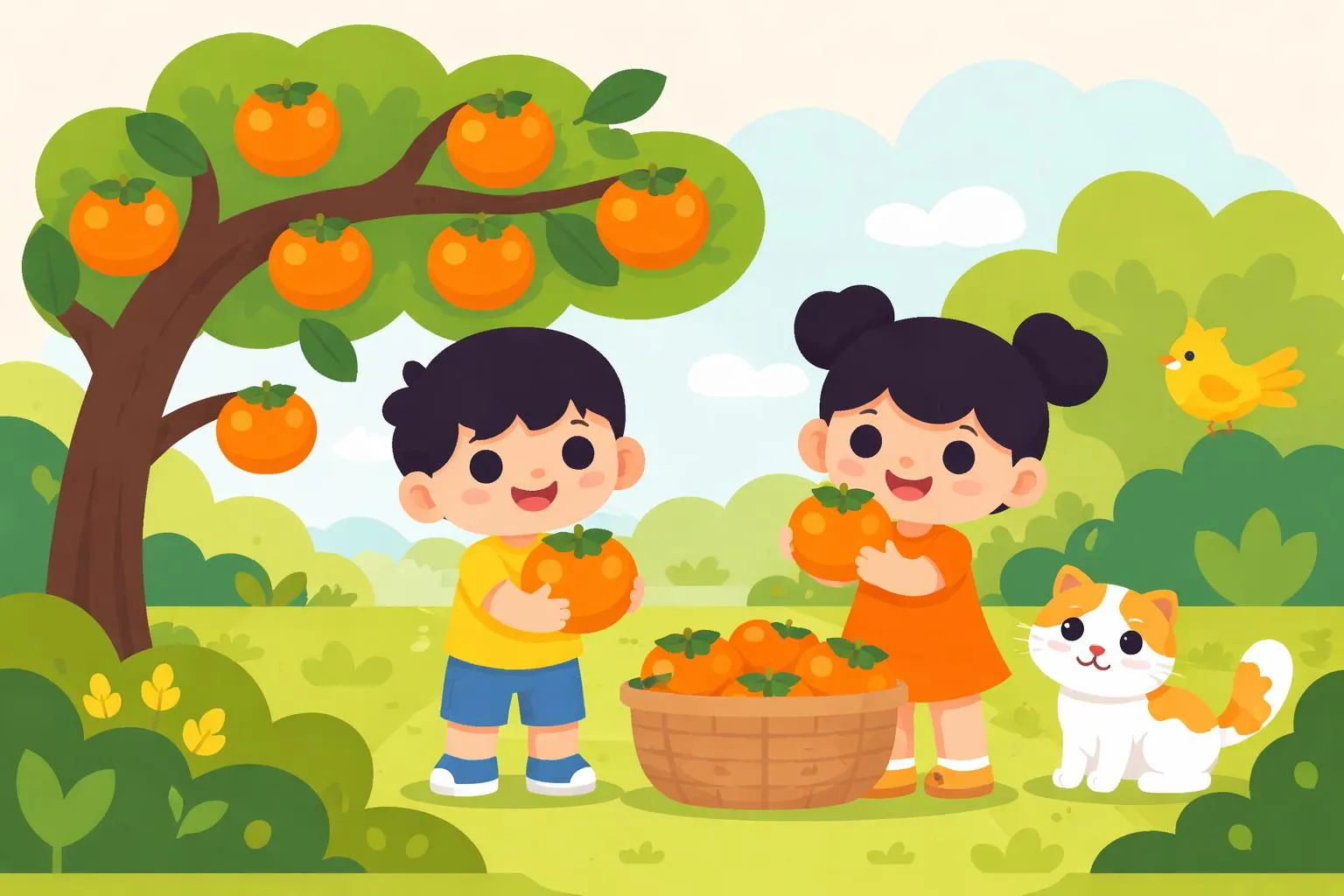
persimmons. This is precision.
Ripe ones are soft and brown-spotted.
Sniff the bottoms. The sweet one
will be fragrant. How to eat:
put the knife away, lay down newspaper.
Peel the skin tenderly, not to tear the meat.
Chew the skin, suck it,
and swallow. Now, eat
the meat of the fruit,
so sweet,
all of it, to the heart.
Donna undresses, her stomach is white.
In the yard, dewy and shivering
with crickets, we lie naked,
face-up, face-down.
I teach her Chinese.
Crickets:
chiu chiu
. Dew: I’ve forgotten.
Naked:???I’ve forgotten.
Ni, wo
:???you and me.
I part her legs,
remember to tell her
she is beautiful as the moon.
Other words
that got me into trouble were
fight
and
fright
,
wren
and
yarn
.
Fight was what I did when I was frightened,
Fright was what I felt when I was fighting.
Wrens are small, plain birds,
yarn is what one knits with.
Wrens are soft as yarn.
My mother made birds out of yarn.
I loved to watch her tie the stuff;
a bird, a rabbit, a wee man.
Mrs. Walker brought a persimmon to class
and cut it up
so everyone could taste
a
Chinese apple
. Knowing
it wasn’t ripe or sweet, I didn’t eat
but watched the other faces.
My mother said every persimmon has a sun
inside, something golden, glowing,
warm as my face.
Once, in the cellar, I found two wrapped in newspaper,
forgotten and not yet ripe.
I took them and set both on my bedroom windowsill,
where each morning a cardinal
sang,
The sun, the sun
.
Finally understanding
he was going blind,
my father sat up all one night
waiting for a song, a ghost.
I gave him the persimmons,
swelled, heavy as sadness,
and sweet as love.
This year, in the muddy lighting
of my parents’ cellar, I rummage, looking
for something I lost.
My father sits on the tired, wooden stairs,
black cane between his knees,
hand over hand, gripping the handle.
He’s so happy that I’ve come home.
I ask how his eyes are, a stupid question.
All gone
, he answers.
Under some blankets, I find a box.
Inside the box I find three scrolls.
I sit beside him and untie
three paintings by my father:
Hibiscus leaf and a white flower.
Two cats preening.
Two persimmons, so full they want to drop from the cloth.
He raises both hands to touch the cloth,
asks,
Which is this
?
This is persimmons, Father
.
Oh, the feel of the wolftail on the silk,
the strength, the tense
precision in the wrist.
I painted them hundreds of times
eyes closed. These I painted blind.
Some things never leave a person:
scent of the hair of one you love,
the texture of persimmons,
in your palm, the ripe weight.
詩的分析與詮釋
這首詩生動地捕捉了一段深具個人情感的旅程,圍繞著記憶、語言、家庭和感官體驗的主題。詩人回憶起童年時光,當時老師沃克夫人糾正了「柿子」和「精確」之間的誤解,為語言和意義的豐富探索奠定了基礎。詩歌在字面與隱喻之間流暢地轉換,使用柿子作為溫暖、愛與時間流逝的象徵。
詩的敘事始於一個學校的記憶,對比了紀律的嚴厲與選擇和品嚐柿子的溫柔小心過程。詳細描述如何選擇和吃這種水果反映了日常生活中的精確性,強調了細心的關注和溫柔。詩人與唐娜的親密時刻,學習中文單詞並分享脆弱,突顯了聯結和純真的主題。
隨後,詩歌觸及詩人的家庭生活,特別是與即將失明的父親之間的關係。柿子成為愛與失落的深刻象徵,以及記憶和藝術的持久性。父親即使在失去視力後仍然創作的柿子畫作,暗示了堅韌和創造力的持久力量。感官的意象——愛人的髮香、柿子的質地和重量——喚起了某些經歷如何深深嵌入我們的意識。
背景與作者介紹
這首詩的作者是李昂·李,一位美國當代詩人,具有中國血統。他的作品經常探討家庭歷史、身份、記憶和移民經歷的主題。李的詩以其抒情之美和情感深度而聞名,經常借用個人和文化的記憶來創造對愛與失落的普遍反思。
這首詩反映了李自己的背景,包括他的家庭歷史和父親的藝術才能。柿子,這種在東亞常見的水果,作為一個文化象徵,橋接了他的傳承和美國成長。詩的親密語調和生動意象邀請讀者與童年、家庭聯結和老去的苦樂交織的普遍感受產生共鳴。
對兒童和學生的教學價值
這首詩為年輕讀者和學生提供了幾個有價值的教訓:
- 語言與詞彙: 詩歌強調理解單詞之間微妙差異的重要性(例如,柿子與精確、打鬥與驚嚇)。這可以鼓勵學生密切關注語言的細微差別,擴展他們的詞彙。
- 文化意識: 通過對中文語言和習俗的引用,詩歌向孩子們介紹了多元文化的視角,促進對不同文化的尊重和好奇心。
- 感官學習: 對如何選擇和吃柿子的詳細描述吸引了感官,鼓勵學生更仔細地觀察和欣賞周圍的世界。
- 情感智力: 詩歌探討了恐懼、愛、失落和堅韌等複雜情感。討論這些主題可以幫助學生發展同理心和情感理解。
- 藝術與創造力: 父親的畫作和「盲畫」的隱喻激發了關於創造力、堅持和藝術如何表達超越語言的情感的討論。
生活與學習中的實際應用
- 語言藝術: 教師可以利用這首詩來教授同音詞、詞彙和詩的修辭手法,如意象和隱喻。
- 文化研究: 這首詩可以作為有關中國文化和移民經歷的課程的一部分。
- 科學與自然: 對柿子的描述可以引導有關水果成熟、感官觀察和營養的課程。
- 情感發展: 這首詩可以成為關於家庭關係和應對變化的對話的起點。
- 藝術教育: 學生可以創作受詩歌意象啟發的藝術作品,探索如何以視覺方式傳達情感。
閱讀理解問題
- 敘述者在沃克夫人的課堂上犯了什麼錯誤,為什麼這很重要?
- 詩歌如何描述選擇和吃柿子的過程?
- 柿子在敘述者與父親的關係中象徵著什麼?
- 詩歌如何利用感官細節創造生動的意象?舉兩個例子。
- 敘述者在回憶父親的失明和畫作時經歷了什麼情感?
- 敘述者為什麼提到教唐娜中文單詞?這一時刻代表了什麼?
- 詩歌如何探討記憶的主題?
- 藝術在詩中扮演了什麼角色?
- 詩歌如何將文化身份與個人經驗聯繫起來?
- 讀者可以從這首詩中學到關於語言和交流的什麼教訓?
閱讀理解問題的答案
- 敘述者混淆了「柿子」和「精確」這兩個詞,這很重要,因為它顯示了對語言的誤解,導致了懲罰,但也引入了語言精確性的主題。
- 詩歌描述選擇成熟的柿子時,柔軟且有棕色斑點,聞底部的香氣,小心地剝皮,溫柔地品嚐水果。
- 柿子象徵著溫暖、愛、記憶以及敘述者與父親之間的聯繫,特別是當父親失去視力時。
- 感官細節包括柿子底部的香氣和水果皮與果肉的質地。這些細節使經歷生動而具體。
- 敘述者感到悲傷、愛以及深深的失落感,但也對父親在失明後仍然創作的堅韌感到欽佩。
- 教唐娜中文單詞代表了親密、文化聯結和童年友誼的純真。
- 詩歌通過感官經歷和家庭故事探討記憶,顯示了隨著時間的推移,記憶如何持續存在。
- 藝術被描繪為一種強大的表達和記憶形式,特別是通過父親即使在失明時仍創作的畫作。
- 詩歌通過將中文語言、習俗和象徵編織進敘述者的生活故事中,將文化身份與個人經驗聯繫起來。
- 讀者學會了理解語言的重要性,以及單詞如何承載深刻的個人和文化意義。
這首詩是語言學習、文化欣賞、情感成長和藝術啟發的豐富資源,使其成為教育環境中有價值的作品。