
原詩:
1
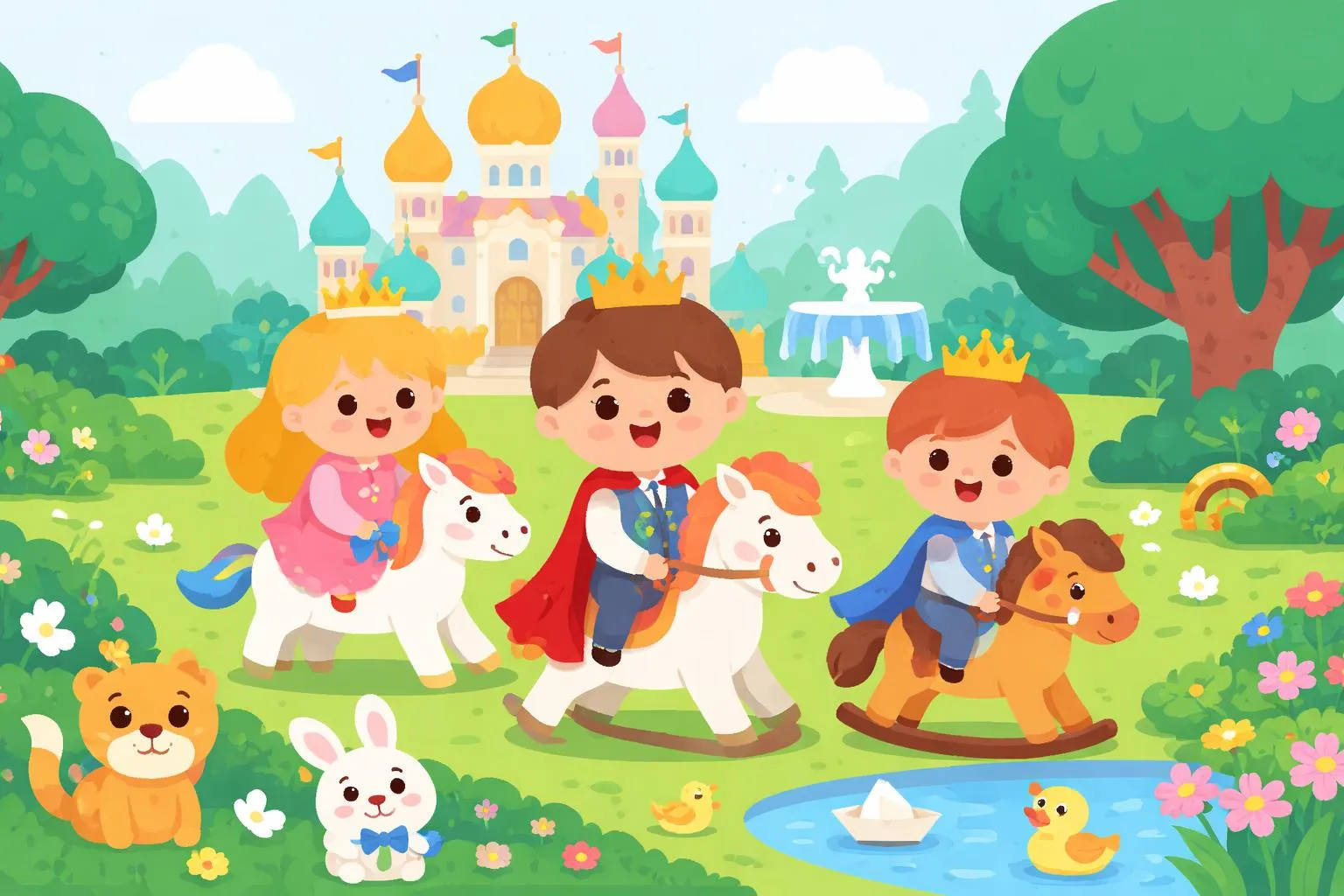
The children of the Czar
Played with a bouncing ball
In the May morning, in the Czar’s garden,
Tossing it back and forth.
It fell among the flowerbeds
Or fled to the north gate.
A daylight moon hung up
In the Western sky, bald white.
Like Papa’s face, said Sister,
Hurling the white ball forth.
2
While I ate a baked potato
Six thousand miles apart,
In Brooklyn, in 1916,
Aged two, irrational.
When Franklin D. Roosevelt
Was an Arrow Collar ad.
O Nicholas! Alas! Alas!
My grandfather coughed in your army,
Hid in a wine-stinking barrel,
For three days in Bucharest
Then left for America
To become a king himself.
3
I am my father’s father,
You are your children’s guilt.
In history’s pity and terror
The child is Aeneas again;
Troy is in the nursery,
The rocking horse is on fire.
Child labor! The child must carry
His fathers on his back.
But seeing that so much is past
And that history has no ruth
For the individual,
Who drinks tea, who catches cold,
Let anger be general:
I hate an abstract thing.
4
Brother and sister bounced
The bounding, unbroken ball,
The shattering sun fell down
Like swords upon their play,
Moving eastward among the stars
Toward February and October.
But the Maywind brushed their cheeks
Like a mother watching sleep,
And if for a moment they fight
Over the bouncing ball
And sister pinches brother
And brother kicks her shins,
Well! The heart of man is known:
It is a cactus bloom.
5
The ground on which the ball bounces
Is another bouncing ball.
The wheeling, whirling world
Makes no will glad.
Spinning in its spotlight darkness,
It is too big for their hands.
A pitiless, purposeless Thing,
Arbitrary and unspent,
Made for no play, for no children,
But chasing only itself.
The innocent are overtaken,
They are not innocent.
They are their father’s fathers,
The past is inevitable.
6
Now, in another October
Of this tragic star,
I see my second year,
I eat my baked potato.
It is my buttered world,
But, poked by my unlearned hand,
It falls from the highchair down
And I begin to howl.
And I see the ball roll under
The iron gate which is locked.
Sister is screaming, brother is howling,
The ball has evaded their will.
Even a bouncing ball
Is uncontrollable,
And is under the garden wall.
I am overtaken by terror
Thinking of my father’s fathers,
And of my own will.
詩的分析與詮釋
這首詩生動地捕捉了童年的純真與複雜,背景是歷史和家庭的遺產。沙皇的孩子們在花園裡玩耍,象徵著一個寧靜而特權的過去,而講述者在布魯克林的經歷,遠離這個皇家環境,則引入了個人與歷史的強烈對比。
這首詩探討了繼承、歷史和過去的負擔等主題。孩子被描繪成既是祖先鬥爭的受害者,也是承載者,喚起了埃涅阿斯的形象,這位特洛伊英雄承載著他人民的遺產。幼兒園成為了一個戰場,搖擺的木馬燃燒著,象徵著純真的喪失和孩子們面對的殘酷現實,如童工和繼承的罪惡感。
反覆出現的彈跳球象徵著生命和歷史中無法控制的力量。它不可預測地移動,從孩子們的掌握中滑脫,象徵著個體無法完全掌控自己的命運或過去。詩的語調在童年的溫柔時刻和對歷史無情本質的深刻反思之間轉變,最終達到講述者對自己脆弱性和繼承責任的認識。
背景與作者介紹
這首詩反映了20世紀初的歷史背景,包括俄羅斯君主制的崩潰和美國的移民經歷。提到富蘭克林·D·羅斯福作為“箭領襯衫廣告”的參考,將詩的背景定位在1910年代,這是一個社會變革和政治不確定的時期。
雖然這裡未提及作者的名字,但他可能與歐洲和美國的歷史有著深厚的聯繫,可能是一位移民或移民的後代。他們的作品經常將個人記憶與歷史評論相結合,利用童年作為透鏡來檢視更廣泛的社會問題。
教育見解與學習要點
學生可以從這首詩中學到幾個關鍵教訓:
- 歷史意識: 理解個人生活如何與更大的歷史事件交織在一起。
- 文學手法: 辨識象徵(彈跳球、白晝的月亮)、隱喻(燃燒的搖擺木馬)和典故(埃涅阿斯與特洛伊)。
- 童年與責任的主題: 認識到孩子們如何受到影響並承擔過去世代的重擔。
- 情感表達: 通過詩意的意象探索失落、恐懼和希望的感受。
在實際應用中,這首詩鼓勵學生反思自己的家庭歷史以及歷史如何塑造身份。它可以用於歷史、文學和社會研究的課程中,以促進同理心和批判性思維。
生活與學習的應用
- 在文學課中: 分析詩的結構和主題,以提高理解和批判分析能力。
- 在歷史課中: 討論歷史事件對個人和家庭的影響,特別是移民。
- 在社會情感學習中: 鼓勵學生表達他們對家庭和歷史的感受。
- 創意寫作: 激勵學生寫自己的詩或故事,關於童年和遺產。
閱讀理解問題
- 在詩的第一節中,孩子們在哪裡玩耍?
- 彈跳球在整首詩中象徵什麼?
- 講述者如何描述自己與沙皇孩子們的童年經歷?
- 詩中提到了哪些歷史參考?
- 燃燒的搖擺木馬有什麼重要性?
- 孩子們與球的互動如何反映詩中的更大主題?
- 講述者在最後一節表達了什麼情感?
- 詩如何描繪過去世代與當前孩子之間的關係?
答案鍵
- 孩子們在沙皇的花園裡玩耍,正值五月的早晨。
- 彈跳球象徵著生命和歷史中無法控制的力量。
- 講述者在布魯克林的童年遙遠且不那麼特權,充滿了困惑和與皇家環境的隔離。
- 參考包括沙皇、富蘭克林·D·羅斯福和特洛伊英雄埃涅阿斯。
- 燃燒的搖擺木馬象徵著純真的喪失和孩子們面對的危險。
- 他們對控制球的掙扎反映了人類對命運和歷史的控制掙扎。
- 講述者感到恐懼和無助,意識到祖先的重擔和自己的意志。
- 詩顯示孩子們承擔著祖先的負擔和遺產,往往是無法選擇的。
這首詩提供了對童年、歷史和身份的豐富探索,可以加深學生對文學和生活的理解。