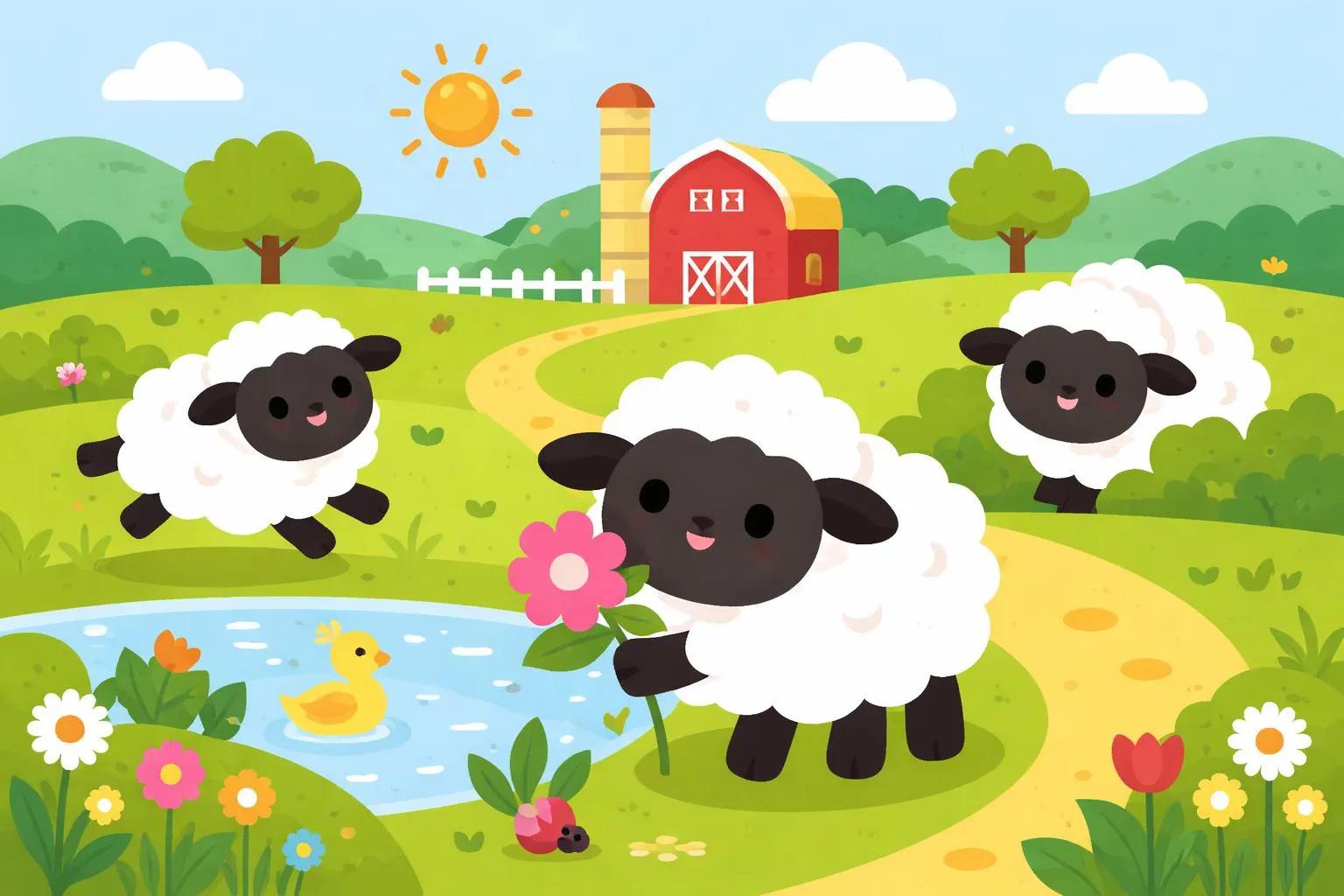

原創詩:
Ruminant pillows! Gregarious soft boulders!
If one of you found a gap in a stone wall,
the rest of you—rams, ewes, bucks, wethers, lambs;
mothers and daughters, old grandfather-father,
cousins and aunts, small bleating sons—
followed onward, stupid
as sheep, wherever
your leader’s sheep-brain wandered to.
My grandfather spent all day searching the valley
and edges of Ragged Mountain,
calling “Ke-
day!
” as if he brought you salt,
“Ke-
day!
Ke-
day!”
??????????????????*
When the shirt wore out, and darns in the woolen
shirt needed darning,
a woman in a white collar
cut the shirt into strips and braided it,
as she braided her hair every morning.
In a hundred years
the knees of her great-granddaughter
crawled on a rug made from the wool of sheep
whose bones were mud,
like the bones of the woman, who stares
from an oval in the parlor.
??????????????????*
I forked the brambly hay down to you
in nineteen-fifty. I delved my hands deep
in the winter grass of your hair.
When the shearer cut to your nakedness in April
and you dropped black eyes in shame,
hiding in barnyard corners, unable to hide,
I brought grain to raise your spirits,
and ten thousand years
wound us through pasture and hayfield together,
threads of us woven
together, three hundred generations
from Africa’s hills to New Hampshire’s.
??????????????????*
You were not shrewd like the pig.
You were not strong like the horse.
You were not brave like the rooster.
Yet none of the others looked like a lump of granite
that grew hair,
and none of the others
carried white fleece as soft as dandelion seed
around a black face,
and none of them sang such a flat and sociable song.
??????????????????*
Now the black-faced sheep have wandered and will not return,
even if I should search the valleys
and call “Ke-
day
,” as if I brought them salt.
Now the railroad draws
a line of rust through the valley. Birch, pine, and maple
lean from cellarholes
and cover the dead pastures of Ragged Mountain
except where machines make snow
and cables pull money up hill, to slide back down.
??????????????????*
At South Danbury Church twelve of us sit—
cousins and aunts, sons—
where the great-grandfathers of the forty-acre farms
filled every pew.
I look out the window at summer places,
at Boston lawyers’ houses
with swimming pools cunningly added to cowsheds,
and we read an old poem aloud, about Israel’s sheep,
old lumps of wool, and we read
that the rich farmer, though he names his farm for himself,
takes nothing into his grave;
that even if people praise us, because we are successful,
we will go under the ground
to meet our ancestors collected there in the darkness;
that we are all of us sheep, and death is our shepherd,
and we die as the animals die.
詩的分析與詮釋
這首詩生動而深刻地反映了人類與羊之間的關係,融合了個人記憶、鄉村生活以及更廣泛的遺產、死亡和變遷主題。詩人以羊作為中心隱喻,探索社群、傳統和時間流逝的概念。
詩的開頭描述羊為「反芻的枕頭」和「群居的柔軟巨石」,強調了它們的物理存在和社交本性。羊彼此盲目跟隨的意象「如同羊群」突顯了它們的本能行為,以及詩人對它們簡單性的親切卻批判的觀察。祖父重複呼喊的「Ke-day!」喚起了家庭與土地之間的深厚聯繫,這個曾經能召回羊群的呼喚,如今卻成為了記憶的回響。
第二節將焦點轉向羊毛轉變為日常物品的過程,例如毛衣和後來的地毯。這象徵著生命和勞動的延續,將過去與現在聯繫起來。提到那位穿著白色襯衫的女性在編織羊毛條的同時編織她的頭髮,暗示了家庭生活與傳統的交織。
在第三節中,詩人回憶起照顧羊的個人經歷,突顯了人類與動物之間的親密聯繫。「一萬年」和「三百代」的提及將這種關係與深厚的歷史和進化過程聯繫起來,從非洲到新罕布什爾,強調了人類與羊在時間中的共同旅程。
詩中將羊與其他農場動物進行對比,指出羊缺乏豬的精明、馬的力量和公雞的勇敢。然而,羊在外觀和溫和的本性上是獨特的,被形容為「一塊長毛的花崗岩」,其「白色羊毛如蒲公英的種子般柔軟」。它們的「平坦而社交的歌聲」反映了它們的社群精神。
詩中隨後哀嘆黑面羊從山谷消失,象徵著鄉村傳統的喪失和現代化的侵蝕,這由鐵路和機器所代表。風景變化,舊的方式漸漸消逝。
最後,詩的結尾在教堂的環境中,家庭成員聚集在一起,閱讀一首關於羊的舊詩,反思死亡。富有農夫的遺產受到質疑,提醒讀者物質成功是短暫的,而死亡是引導所有生物(人類和動物)的終極牧羊人。
背景與作者介紹
這首詩可能源於一個農村或田園的背景,羊的飼養是生活和文化的重要組成部分。作者對羊和農業生活的親密了解暗示著與農業和土地的個人或家庭聯繫。詩的語調和主題與那些見證鄉村社區變遷和傳統生活方式消逝的人們產生共鳴。
作者深深重視過去與現在、家庭與自然之間的連續性,以及鄉村生活中簡單而深刻的節奏。通過這首詩,作者向祖先、記憶和自然世界致敬,同時承認不可避免的變化和喪失。
反思與見解
閱讀這首詩邀請我們欣賞鄉村生活的安靜尊嚴以及人類與動物之間的聯繫。它鼓勵我們反思傳統是如何傳承下來的,以及現代發展如何干擾這些聯繫。詩也作為對死亡的沉思,提醒我們所有生物共享共同的命運。
詩中的意象和語言喚起了懷舊與現實的交融,將親切與對變化的清醒意識結合在一起。詩的結構,伴隨著重複的呼喊和生動的場景,創造了一種節奏,反映了生命和自然的循環。
對兒童和學生的教育價值與學習要點
這首詩為學生提供了豐富的材料,以探索幾個重要的主題和技能:
- 文學手法: 學生可以通過詩中對羊和鄉村生活的描述學習隱喻、意象、重複和象徵。
- 歷史和文化背景: 詩提供了對傳統農業生活及其演變的見解,幫助學生理解文化遺產。
- 社群和家庭的主題: 詩強調家庭聯繫和共同生活的重要性,鼓勵學生反思自己的關係。
- 對死亡的反思: 詩以溫和自然的方式引入死亡的概念,促進關於生命週期和對所有生物的尊重的對話。
- 環境意識: 自然景觀與工業變化之間的對比促使討論保護和現代化的影響。
實用應用與生活教訓
- 同理心與尊重: 學生學會欣賞動物作為有生命的存在,擁有自己的角色和重要性。
- 與自然的聯繫: 鼓勵戶外觀察和對生態系統、農業和可持續性的理解。
- 文化保存: 激發對家庭歷史和傳統的興趣,促進對遺產的尊重。
- 文學欣賞: 增強詩歌分析和創意表達的技能。
- 批判性思維: 學生可以討論進步對社區和環境的影響。
閱讀理解問題
- 詩人在詩的開頭使用了什麼隱喻來描述羊?
- 詩如何展示家庭與羊之間的聯繫?
- 重複的「Ke-day!」在詩中象徵著什麼?
- 詩如何描述羊毛在幾代人中的轉變?
- 詩人提到的人類與羊之間的歷史和進化聯繫是什麼?
- 詩中羊與其他農場動物的對比是什麼?
- 描述了山谷中的哪些變化,這些變化代表了什麼?
- 詩傳達了關於物質成功和死亡的什麼信息?
- 詩如何利用教堂的環境來強化其主題?
- 讀者可以從這首詩中學到關於傳統和變化的什麼教訓?
答案鍵
- 詩人使用了「反芻的枕頭」和「群居的柔軟巨石」等隱喻來描述羊。
- 詩展示了家庭對羊的關心和日常互動,特別是通過祖父的呼喊和敘述者的餵養和照顧。
- 「Ke-day!」象徵著召集羊群的呼喚,代表了聯繫、關懷和傳統。
- 羊毛從穿過的襯衫轉變為編織條,最終變成地毯,顯示了延續性和家庭勞動的傳承。
- 詩人提到「一萬年」和「三百代」,將人類與羊從非洲連結到新罕布什爾。
- 羊被描述為不如豬、馬或公雞精明、強大或勇敢,但在外觀和溫和的本性上是獨特的。
- 山谷隨著鐵路和機器的到來而變化,象徵著現代化和傳統鄉村生活的喪失。
- 詩暗示物質成功是短暫的,而死亡是所有生物的終極平等者。
- 教堂的環境讓家庭聚在一起反思遺產和死亡,強化了社群和生命循環的主題。
- 讀者學會了尊重傳統的同時認識到不可避免的變化,以及生命中簡單而持久的聯繫的價值。