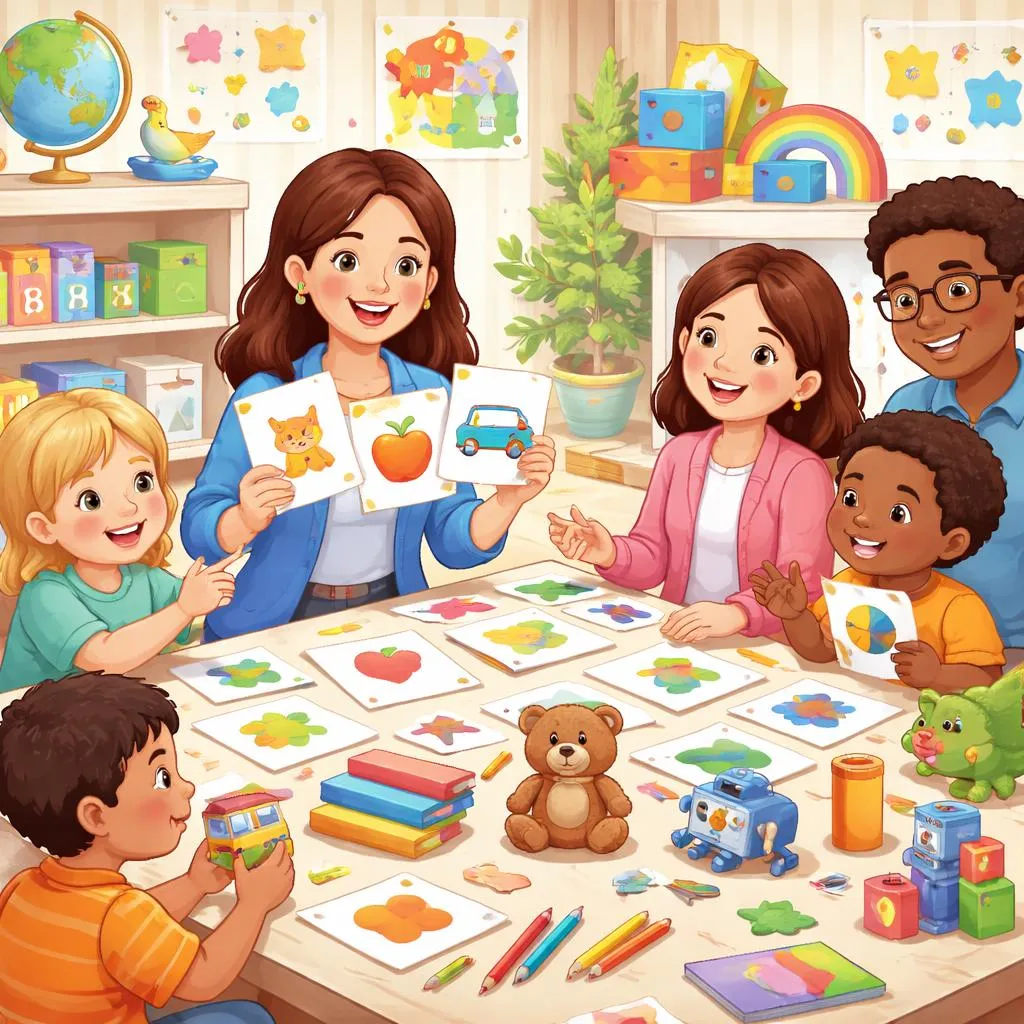

School life gives many chances to learn new English words. In the classroom, on the playground, and during activities, language grows every day. From a teacher’s view, school vocabulary becomes a bridge between daily experience and English learning. Clear words help children understand instructions, share ideas, and feel confident in school.
This guide explores school vocabulary in a gentle and structured way. Parents and teachers can also follow along and support learning at home or in class. Short sentences, clear ideas, and friendly examples keep learning simple and enjoyable.
Table of Contents for Learning School Vocabulary
This article follows a child-friendly learning path, similar to popular educational platforms.
The sections include What is school vocabulary? Meaning and explanation Common school vocabulary categories Daily life examples at school Printable flashcards and word practice Learning activities and simple games
Each part builds understanding step by step.
What Is School Vocabulary?
School vocabulary includes the words used in classrooms and schools. These words describe places, people, objects, actions, and routines at school. Words like “teacher,” “desk,” “homework,” and “library” appear every day.
From a teaching point of view, these words matter because they connect English to real life. When words match daily experiences, learning feels natural. Children hear the words, see the objects, and use the language with meaning.
School vocabulary also supports listening and speaking skills. When instructions sound familiar, understanding improves. Confidence grows when words feel friendly and known.
Meaning and Explanation of School Vocabulary
School vocabulary means the set of English words related to school life. These words appear during lessons, activities, and conversations. They describe what happens in a school day.
Some words name people. Others name places. Many describe actions. Together, they help build clear communication.
In teaching practice, these words often come first in English learning. They help children follow classroom routines. They also support reading and writing later.
Learning school vocabulary does not require long explanations. Simple meanings work best. Real objects, pictures, and actions help explain each word clearly.
Common School Vocabulary Categories
School vocabulary becomes easier when grouped into clear categories. Categories help the brain organize new words.
One common group includes people at school. Words like teacher, student, classmate, and principal belong here. These words appear often in stories and conversations.
Another group includes places. Classroom, library, cafeteria, playground, and gym describe where activities happen. These words connect movement and location.
Objects form another helpful group. Desk, chair, book, pencil, notebook, and backpack appear in every classroom. Touching and seeing these objects supports memory.
Actions also matter. Read, write, listen, speak, learn, and play describe what happens during the day. Action words bring energy to language learning.
Subjects create another category. Math, English, science, art, and music help name learning areas. These words often appear in schedules and conversations.
By teaching school vocabulary in categories, learning feels organized and calm.
Daily Life Examples at School
Real examples make school vocabulary meaningful. Daily routines offer many chances to practice words.
In the morning, words like classroom, teacher, and desk appear naturally. A child enters the classroom and sits at a desk. The teacher greets the class. These actions give life to words.
During lessons, words like book, pencil, read, and write come into use. Reading a book or writing in a notebook connects language with action.
At break time, playground and play become important words. Running, jumping, and sharing bring movement into learning.
At lunch, cafeteria, lunchbox, and table describe the setting. These words support social language and conversation.
At the end of the day, homework and backpack appear. Packing a backpack and talking about homework make learning personal.
From a teacher’s perspective, these moments offer perfect teaching opportunities. Language lives inside routine.
School Vocabulary in Simple Sentences
Short sentences help children understand and use new words.
“The teacher reads a book.” “The student writes with a pencil.” “The class listens carefully.” “The playground is fun.”
These sentences show how school vocabulary works in context. Clear structure supports confidence. Repeating patterns helps memory.
Using familiar sentence frames allows children to focus on new words instead of complex grammar.
Printable Flashcards and Word Practice
Flashcards work well for school vocabulary. A picture on one side and a word on the other creates a strong connection.
Flashcards can show objects like book or desk. They can also show places like library or playground. Action cards can show read, write, or listen.
From a teaching angle, flashcards support many activities. Cards can be used for matching games, memory games, or simple reading practice.
Printing flashcards allows hands-on learning. Touching and moving cards keeps attention strong. Learning becomes active instead of passive.
Flashcards also help parents practice at home. Short daily practice builds steady progress.
Learning Activities for School Vocabulary
Learning activities turn vocabulary into experience. Simple games and actions keep lessons lively.
One activity uses classroom objects. Naming items in the room builds confidence. Touching a desk and saying the word helps memory.
Another activity uses drawing. Drawing a classroom and labeling objects supports both art and language skills.
Role-play also works well. Acting out a school day allows words to appear naturally. A child pretends to be a teacher or student. Language flows with imagination.
Story time supports vocabulary growth too. Simple stories set in school help repeat key words. Repetition inside a story feels natural and fun.
Songs and chants also help. Rhythm and repetition make words easy to remember. Singing about school routines builds joy in learning.
Educational Games Using School Vocabulary
Games bring smiles and motivation. Learning feels light and playful.
A simple guessing game works well. One person describes an object. Others guess the word. Descriptions like “You write with it” lead to pencil.
Another game uses movement. Saying “touch the desk” or “go to the door” links words with actions. Movement supports memory.
Matching games also help. Matching words to pictures builds recognition. Matching words to objects builds understanding.
Board games with school themes offer structured practice. Rolling dice and naming words adds excitement.
From a teacher’s point of view, games create a safe space for language use. Mistakes feel less scary. Confidence grows naturally.
Supporting Parents and Teachers
School vocabulary learning works best with support from adults. Teachers guide learning in class. Parents support practice at home.
Using the same words at school and home helps consistency. Talking about the school day gives natural practice. Asking simple questions encourages language use.
Reading school-themed books together also helps. Familiar words appear again and again. Repetition strengthens memory.
Positive feedback matters. Praising effort builds motivation. Encouragement helps children feel safe using English.
School vocabulary grows with patience. Small steps lead to big progress.
Building Confidence Through School Vocabulary
Words give power. When school vocabulary feels familiar, confidence rises. Understanding instructions becomes easier. Sharing ideas feels less scary.
From a teacher’s perspective, language supports emotional comfort too. Knowing words helps children feel included and understood.
Confidence encourages curiosity. Curiosity leads to learning. School vocabulary becomes the foundation for future English skills.
Learning does not need pressure. Gentle guidance works best. Everyday school life already offers rich language input.
English grows naturally when words connect to real experience. School vocabulary opens the door to communication, friendship, and learning joy.