
What Does It Mean to Learn Numbers?
To learn numbers means to understand quantity, order, and value. Numbers help describe the world. They show how many, how much, and in what order things appear. In early English learning, numbers connect language with thinking.
In class, numbers appear everywhere. They appear in songs, stories, games, and routines. Learning numbers builds a strong base for both math and language.
Meaning and Explanation of Numbers
Numbers represent amounts. Each number has a name, a symbol, and a meaning. When numbers appear with objects, meaning becomes clear.
One apple shows the idea of one. Two shoes show the idea of two.
Seeing, saying, and hearing numbers together supports understanding.
Why Learn Numbers Early?
Numbers support daily communication. Time, age, prices, and dates all use numbers. Early number learning supports problem solving and confidence.
Simple number language allows clear expression.
How many pencils? How old is the dog?
These questions appear often in daily life.
Number Names and Number Symbols
Each number has two forms.
The word form: one, two, three. The symbol form: 1, 2, 3.
Learning both forms together builds strong connections.
Reading numbers aloud supports pronunciation and listening.
Counting as the First Step to Learn Numbers
Counting introduces order. Numbers follow a sequence.
One comes before two. Two comes before three.
Counting aloud helps memory. Counting objects helps meaning.
Slow counting works best at first.
Numbers from One to Ten
One to ten form the foundation.
These numbers appear in most early activities. Songs, books, and games often focus on this range.
Repetition supports confidence.
Numbers from Eleven to Twenty
Teen numbers introduce a pattern. The sound changes, but the idea stays the same.
Eleven and twelve feel special. Thirteen to nineteen follow a pattern.
Clear pronunciation practice helps avoid confusion.
Numbers Beyond Twenty
Larger numbers appear later.
Twenty, thirty, forty show structure. Counting by tens introduces grouping.
Understanding groups supports math thinking.
Categories of Numbers
Numbers can appear in different groups.
Counting numbers show quantity. Ordinal numbers show order.
First, second, third explain position.
Both types appear in stories and instructions.
Ordinal Numbers in Daily Language
Ordinal numbers appear in routines.
First line up. Second sit down.
Clear use supports classroom flow.
Numbers in Daily Life Examples
Numbers appear everywhere.
Steps on the stairs. Buttons on a shirt. Pages in a book.
Pointing out numbers in real situations builds awareness.
Using Numbers During Routines
Routines offer natural practice.
Counting days on a calendar. Counting snacks at break time.
Language connects with action.
Learn Numbers Through Songs
Songs support memory. Rhythm and repetition help numbers stick.
Number songs often repeat patterns.
Singing makes learning joyful and relaxed.
Learn Numbers Through Stories
Stories bring numbers to life.
Characters count objects. Events happen in order.
Stories connect numbers with meaning.
Learning Numbers With Movement
Movement supports memory.
Jumping while counting. Clapping for each number.
Physical action strengthens understanding.
Visual Support for Number Learning
Pictures support meaning.
Number charts show order. Flashcards show symbol and word.
Visual tools support independent learning.
Printable Flashcards for Learn Numbers
Printable flashcards support practice.
Cards can show numbers and pictures. Matching games support recall.
Short practice sessions work best.
Learn Numbers With Simple Games
Games create motivation.
Rolling dice and counting dots. Matching numbers to objects.
Games reduce pressure and increase joy.
Board Games and Number Practice
Board games support counting forward.
Each move connects number with action.
Turn-taking also supports social skills.
Digital Games and Number Awareness
Digital tools offer variety.
Interactive games give instant feedback.
Balance with hands-on activities keeps learning healthy.
Language Practice With Numbers
Numbers support sentence building.
I have three apples. There are five birds.
Simple sentences build confidence.
Question Forms Using Numbers
Questions encourage thinking.
How many blocks? Which number comes next?
Answering questions supports understanding.
Pronunciation Tips for Number Words
Clear pronunciation matters.
Some numbers sound similar. Fifteen and fifty need careful practice.
Slow repetition helps clarity.
Common Challenges When Learning Numbers
Confusion may appear.
Skipping numbers in sequence. Mixing number names.
Gentle repetition solves most issues.
Learn Numbers Through Comparison
Comparison builds deeper understanding.
More and less. Big and small.
Comparing groups makes numbers meaningful.
Using Objects to Learn Numbers
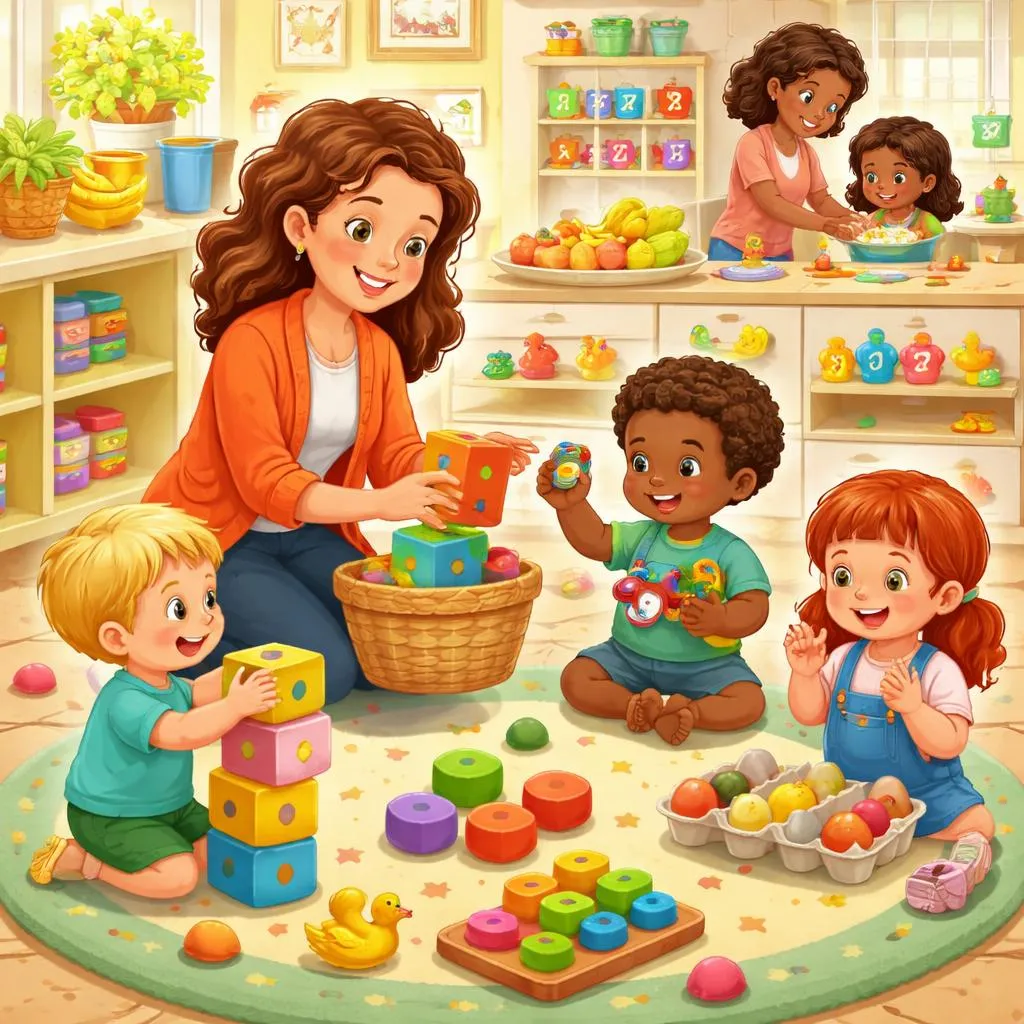
Objects support counting.
Toys, fruits, and blocks work well.
Real objects feel engaging and clear.
Learn Numbers With Art Activities
Art adds creativity.
Drawing numbers. Coloring number shapes.
Creativity supports memory.
Learn Numbers Through Cooking Activities
Cooking offers real examples.
Counting spoons. Measuring cups.
Practical use strengthens learning.
Learn Numbers With Outdoor Activities
Outdoor play offers space.
Counting steps. Finding numbered signs.
Movement and nature support focus.
Building Confidence With Numbers
Confidence grows with success.
Short tasks prevent overload.
Positive feedback encourages effort.
Supporting Different Learning Speeds
Every learner progresses differently.
Some need more repetition. Some move faster.
Flexible pacing supports success.
Learn Numbers With Positive Language
Positive language builds motivation.
Mistakes show learning in progress.
Encouragement supports persistence.
Numbers and Early Math Skills
Number learning supports math skills.
Addition and subtraction come later.
Strong number sense makes future learning easier.
Learn Numbers at Home and School
Consistency matters.
Using the same language helps understanding.
Home and school together create strong support.
The Role of Teachers and Parents
Guidance shapes learning.
Modeling number language shows correct use.
Everyday talk matters.
Review and Repetition in Learn Numbers
Review keeps skills strong.
Short daily practice works best.
Repetition builds confidence.
Observing Progress in Number Learning
Progress appears in use.
Spontaneous counting shows growth.
Observation guides next steps.
Learn Numbers Through Playful Interaction
Play supports natural learning.
Laughter and curiosity keep interest high.
Enjoyment supports memory.
Connecting Numbers With Language Development
Numbers support vocabulary.
Number words add variety to speech.
Language and math grow together.
Encouraging Curiosity About Numbers
Curiosity drives learning.
Questions lead to discovery.
Exploration keeps learning alive.
Learning numbers opens doors to understanding the world. Numbers describe, explain, and organize daily experiences. Through play, language, movement, and real-life examples, number learning becomes meaningful and joyful. When numbers appear naturally in stories, routines, and conversations, understanding grows step by step, creating a strong foundation for future learning and confident communication.