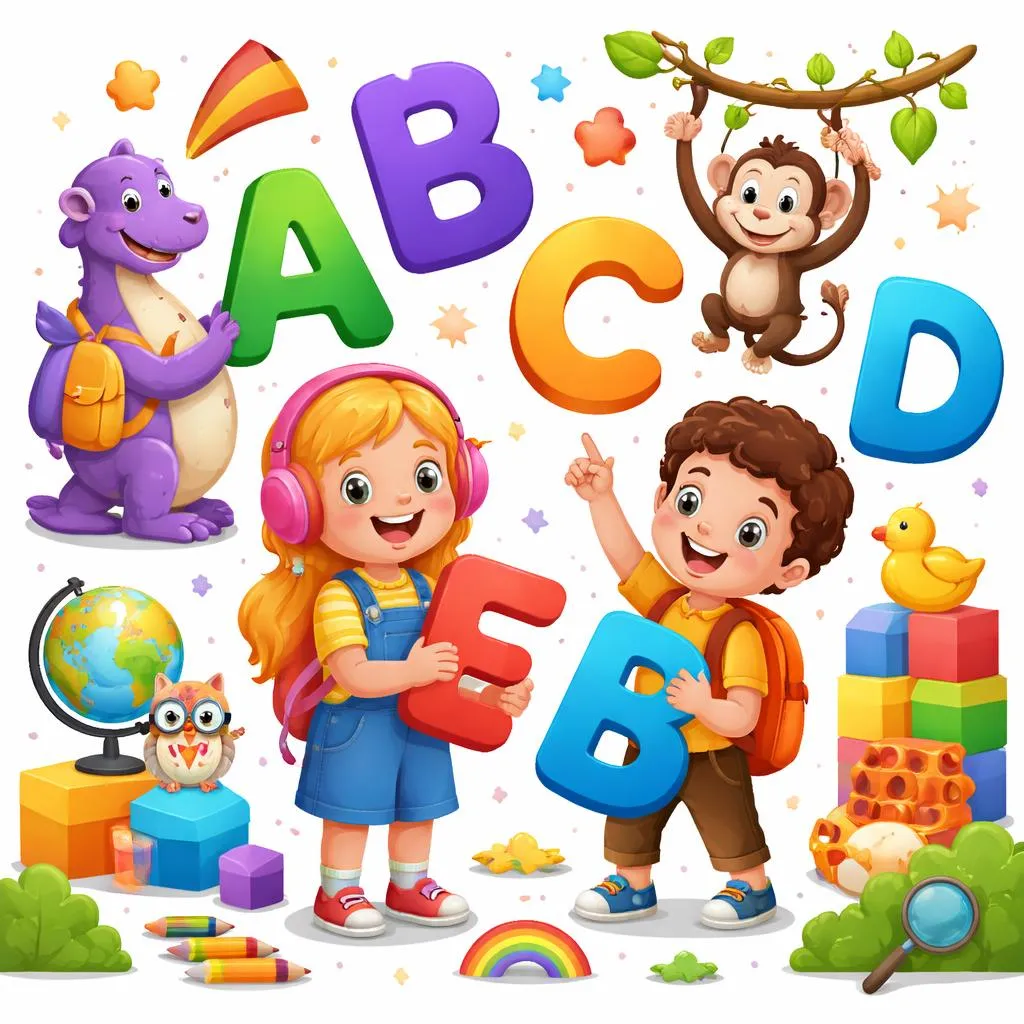

ABC English letters are the foundation of English. They are the first step in learning.
Every English word starts with letters. Reading begins here.
Writing begins here. Speaking sounds begin here.
Learning the ABC English letters helps beginners feel safe and confident in English.
What Are ABC English Letters
ABC English letters are the letters of the English alphabet.
There are 26 letters. They are used to write English words.
Each letter has a name. Each letter has one or more sounds.
Learning letters first makes everything else easier.
Why ABC English Letters Matter
Letters build words. Words build sentences.
Without letters, reading is not possible.
Knowing letters helps learners recognize patterns.
Patterns reduce confusion. Less confusion builds confidence.
How Many English Letters Are There
The English alphabet has 26 letters.
They are written from A to Z.
This order is fixed. It appears everywhere.
Alphabet order helps with dictionaries and learning tools.
Uppercase and Lowercase Letters
Each English letter has two forms.
Uppercase letters are big. Lowercase letters are small.
A and a B and b
Both forms are important. They appear in different places.
Uppercase letters start sentences. Lowercase letters fill most words.
Learning Uppercase Letters
Uppercase letters are easy to see.
They appear at the start. They stand out.
Children often learn them first. They are clear and bold.
Learning uppercase helps letter recognition.
Learning Lowercase Letters
Lowercase letters appear more often.
Books use lowercase. Stories use lowercase.
Learning them early supports reading.
They may look similar sometimes. Practice helps recognition.
Letter Names in the ABC English Letters
Each letter has a name.
A is called A. B is called B.
C is called C. D is called D.
Letter names are used in spelling.
Spelling activities depend on letter names.
Letter Sounds in English
Letter sounds are different from names.
A can sound different. C can sound different.
English sounds change by word. This feels tricky.
Learning basic sounds first helps beginners feel comfortable.
Vowels in the English Alphabet
There are five main vowels.
A E I O U
Vowels are important. They appear in every word.
They help create syllables. They help with pronunciation.
Why Vowels Are Important
Words need vowels. Without vowels, reading stops.
Vowels carry sound. They shape rhythm.
Learning vowel sounds helps reading and speaking.
Vowels are small but very powerful.
Consonants in the English Alphabet
All other letters are consonants.
They support vowels. They add structure.
B, C, D, F G, H, J
Consonants help define words. They shape meaning.
ABC English Letters and Phonics
Phonics connects letters and sounds.
Seeing a letter and saying its sound builds reading skill.
Phonics helps decoding. Decoding helps independence.
The ABC letters are the base of phonics.
Learning Letters Through Sounds
Sound learning is natural.
Children hear sounds first. Then they match letters.
Repeating sounds helps memory.
Sound and letter together create strong learning.
ABC English Letters and Reading
Reading starts with letters.
Letters form words. Words form meaning.
Knowing letters helps learners guess less.
Less guessing means better comprehension.
ABC English Letters and Writing
Writing also starts with letters.
Learners copy letters. They form shapes.
Writing builds muscle memory. Muscle memory supports spelling.
Letters become automatic with practice.
ABC English Letters and Spelling
Spelling uses letter names. It uses letter order.
Knowing ABC letters makes spelling possible.
Spelling activities support listening and writing.
Letters connect skills together.
ABC English Letters and Listening
Listening improves when letters are known.
Recognizing sounds helps catch words.
The brain links sound and letter. This improves understanding.
Letters support listening quietly.
ABC English Letters for Children
Children learn visually. Letters are visual.
Alphabet charts help. Songs help.
Repetition through play makes learning fun.
Fun learning lasts longer.
ABC English Letters for Beginners
Beginners need structure. Letters provide structure.
Learning ABC letters reduces fear.
Fear blocks learning. Confidence opens learning.
Letters give confidence.
ABC English Letters and Alphabet Songs
Alphabet songs use rhythm.
Rhythm supports memory. Music makes learning easy.
Singing letters feels playful.
Playful learning feels safe.
ABC English Letters and Flashcards
Flashcards show letters clearly.
One letter at a time. Focus improves.
Seeing and saying together builds recognition.
Flashcards are simple. They are effective.
ABC English Letters and Daily Practice
Daily practice matters.
Five minutes helps. Small steps work.
Reviewing letters daily builds habit.
Habit supports long-term learning.
ABC English Letters and Letter Order
Letter order matters.
A comes before B. B comes before C.
Alphabet order is used everywhere.
Learning order early helps later skills.
ABC English Letters and Word Building
Letters join to make words.
Cat uses C A T. Dog uses D O G.
Seeing this process builds understanding.
Understanding reduces confusion.
ABC English Letters and Simple Words
Simple words use few letters.
Cat Hat
Dog Sun
Learning small words creates early success.
Success motivates learners.
ABC English Letters and Sentence Building
Sentences start with words. Words start with letters.
Knowing letters supports sentence building.
The process feels logical. Logic supports confidence.
ABC English Letters and Confidence
Confidence grows slowly.
Recognizing letters is a big step.
Each known letter adds strength.
Strong basics support future learning.
ABC English Letters and Mistakes
Mistakes are normal.
Mixing letters happens. Confusion fades with practice.
Gentle correction helps. Patience matters.
Letters become clear over time.
ABC English Letters and Visual Learning
Visual learning helps memory.
Charts show letters together. Color helps recognition.
Seeing patterns supports recall.
Visual tools support beginners.
ABC English Letters and Games
Games use letters.
Matching games. Guessing games.
Games reduce pressure. Pressure blocks learning.
Letters fit games well.
ABC English Letters and Classroom Use
Classrooms use alphabet charts.
Letters stay visible. Students refer often.
Visual support builds independence.
Independence supports motivation.
ABC English Letters and Home Learning
Home learning needs tools.
Alphabet books help. Alphabet posters help.
Letters appear in daily life. Exposure supports memory.
ABC English Letters and Adult Learners
Adults also start with letters.
Letters remove confusion. They clarify sounds.
Clear basics reduce frustration.
Adults value clarity.
ABC English Letters and Pronunciation
Pronunciation begins with letters.
Knowing sounds helps speaking.
Clear sounds improve confidence.
Confidence improves communication.
ABC English Letters and Reading Aloud
Reading aloud reinforces letters.
Seeing and speaking together strengthens memory.
This builds fluency slowly. Slow growth lasts longer.
ABC English Letters and Writing Confidence
Writing feels easier when letters are known.
Learners hesitate less. They write more.
More writing improves accuracy.
Accuracy builds pride.
ABC English Letters and Long-Term Learning
Letters never disappear.
They remain useful forever. Even advanced learners review.
Strong letter knowledge supports advanced skills.
Basics always matter.
ABC English Letters as a Learning Base
The ABC English letters are simple.
They are small. They are powerful.
They support reading. They support writing.
They support listening. They support speaking.
Learning the ABC English letters creates a calm, clear, and confident beginning for every English learner, building a foundation that supports language growth step by step over time.
ABC English Letters and Letter Shape Awareness
Letter shapes matter. They help recognition.
Some letters are tall. Some letters are round.
B has curves. L is straight.
Noticing shapes helps learners tell letters apart.
Visual awareness reduces confusion. Confusion slows learning.
ABC English Letters and Common Letter Pairs
Some letters appear together often.
TH SH
CH PH
Seeing pairs early supports reading.
These pairs sound special. They act like teams.
Recognizing them improves decoding speed.
ABC English Letters and Early Sight Words
Sight words use simple letters.
The Is
At In
Learning these words builds reading flow.
Flow improves confidence. Confidence supports practice.
Letters support sight words quietly.
ABC English Letters and Handwriting Practice
Handwriting builds control.
Tracing letters helps. Slow writing helps.
Following lines teaches direction.
Direction matters for clarity. Clarity supports reading.
Writing letters carefully creates strong habits.
ABC English Letters and Left-to-Right Reading
English reads left to right. Letters show this.
Following letter order builds reading direction.
Direction supports sentence flow. Flow improves comprehension.
Learning this early prevents later confusion.
ABC English Letters and Sound Blending
Blending joins sounds.
C plus A makes ca.
Ca plus T makes cat.
This process feels exciting. It shows progress.
Blending connects letters to meaning. Meaning motivates learners.
ABC English Letters and Reading Confidence
Reading confidence grows slowly.
Recognizing letters quickly reduces hesitation.
Less hesitation means smoother reading.
Smooth reading feels successful.
Success encourages continuation.
ABC English Letters and Error Tolerance
Errors are part of learning.
Mixing b and d is common.
Gentle correction helps. Time helps more.
With exposure, letters become clear.
Patience supports progress.
ABC English Letters and Visual Scanning
Visual scanning matters.
Finding letters on a page builds focus.
Scanning supports reading speed. Speed supports comprehension.
This skill grows naturally with letter practice.
ABC English Letters and Memory Anchors
Letters act as anchors.
Seeing A triggers sound memory.
Sound memory triggers word memory.
Anchors reduce cognitive load. Lower load improves learning.
ABC English Letters and Daily Environment
Letters appear everywhere.
Signs. Books.
Screens. Labels.
Noticing letters turns life into practice.
Natural exposure supports retention.
ABC English Letters and Positive Feedback
Positive feedback matters.
Correct letters feel rewarding.
Praise builds motivation. Motivation builds effort.
Effort supports growth.
Letters provide early success.
ABC English Letters and Language Curiosity
Letters spark curiosity.
Why does C sound different. Why is G soft sometimes.
Curiosity leads to questions. Questions lead to learning.
Letters start this journey.
ABC English Letters and Long-Term Fluency
Fluency grows from basics.
Letters become automatic. Automatic skills free attention.
Free attention supports meaning.
Meaning supports communication.
Letters quietly support fluency.
ABC English Letters as a Learning Habit
Returning to letters builds habit.
Short review works. Daily contact helps.
Habits shape outcomes. Letters shape habits.
ABC English Letters and Learning Comfort
Comfort matters in learning.
Letters feel familiar. Familiar feels safe.
Safe learning encourages risk-taking.
Risk-taking supports growth.
ABC English Letters and Steady Progress
Progress is not fast. It is steady.
Letters guide the pace. They offer structure.
Structure reduces overwhelm. Reduced overwhelm improves consistency.
The ABC English letters continue to support learners long after the first lesson.
They guide reading. They guide writing.
They guide listening. They guide speaking.
By returning to letters, learners strengthen confidence, clarity, and control, building English ability step by step with patience and success.