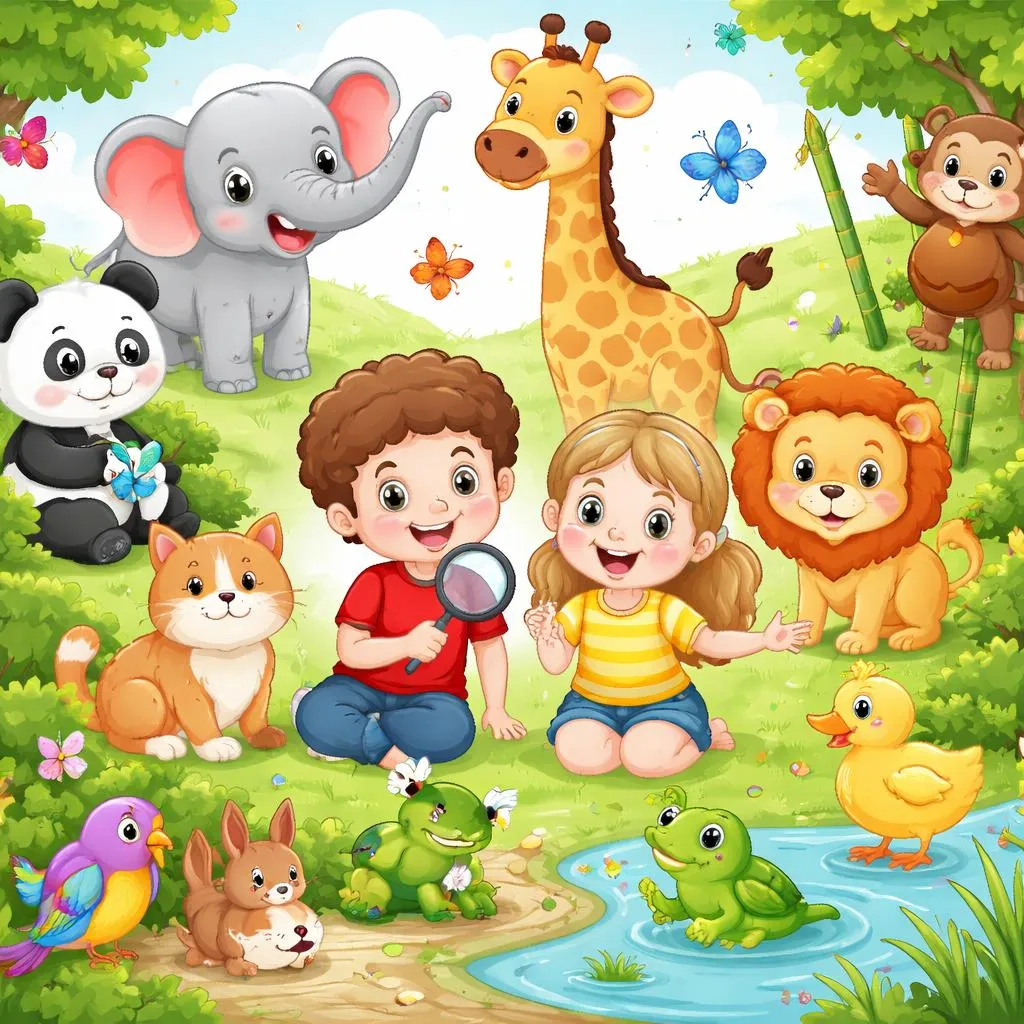

Animal words are some of the first words people learn. They are simple. They are familiar.
Animals appear in stories. They appear in songs. They appear in daily life.
Learning animal words helps beginners build vocabulary in a natural and friendly way.
What Are Animal Words
Animal words name animals. They are nouns.
Dog is an animal word. Cat is an animal word.
Bird is an animal word. Fish is an animal word.
These words describe living creatures. They are easy to picture.
Pictures help memory. Memory supports learning.
Why Animal Words Are Important
Animal words feel fun. They feel safe.
Children enjoy animals. Beginners recognize them.
This makes learning easier. Easy learning builds confidence.
Confidence encourages speaking. Speaking supports language growth.
Common Animal Words for Beginners
Some animal words are very common.
Dog Cat
Cow Pig
Horse Sheep
These words appear often. They are useful early.
They appear in books. They appear in conversation.
Farm Animal Words
Farm animals are easy to imagine.
Cow Pig
Chicken Duck
Goat Sheep
These animals appear in stories. They are common in lessons.
Farm animals help early learning. They feel familiar.
Pet Animal Words
Pets are close to people.
Dog Cat
Rabbit Hamster
Bird Fish
Pet words appear in daily speech. They support simple conversation.
Talking about pets feels personal. Personal language builds engagement.
Wild Animal Words
Wild animals live in nature.
Lion Tiger
Bear Elephant
Monkey Giraffe
These words appear in books. They appear in cartoons.
Wild animals spark curiosity. Curiosity supports learning.
Zoo Animal Words
Zoos show many animals.
Zebra Panda
Kangaroo Penguin
Snake Crocodile
Zoo animals are visual. Visual learning helps memory.
These words feel exciting. Excitement increases attention.
Sea Animal Words
Sea animals live in water.
Fish Shark
Whale Dolphin
Octopus Crab
Water animals feel different. Difference helps recognition.
They support category learning. Categories organize vocabulary.
Bird Animal Words
Birds can fly.
Bird Eagle
Parrot Owl
Duck Swan
Bird words appear in stories. They add movement and sound.
Birds help describe nature. Nature words feel calm.
Insect Animal Words
Insects are small animals.
Ant Bee
Butterfly Fly
Spider Ladybug
Insect words help describe size. They support observation language.
Observation builds awareness. Awareness supports learning.
Baby Animal Words
Some animals have special baby names.
Dog baby is puppy. Cat baby is kitten.
Cow baby is calf. Sheep baby is lamb.
These words add interest. Interest improves retention.
Animal Words and Plurals
Animal words change in plural.
One dog. Two dogs.
One cat. Many cats.
Adding s is common. This helps grammar practice.
Simple plural rules feel manageable.
Animal Words and Articles
Articles come before animal words.
A dog. A cat.
The bird. The fish.
Articles are important in English. Animal words help practice them.
Animal Words and Adjectives
Adjectives describe animals.
Big dog. Small cat.
Fast horse. Slow turtle.
Descriptions build sentence skill. Skill grows step by step.
Animal Words and Colors
Colors add detail.
Black cat. White dog.
Brown horse. Yellow bird.
Color words mix well with animals. This supports early sentence building.
Animal Words and Sounds
Animals make sounds.
Dog says woof. Cat says meow.
Cow says moo. Duck says quack.
Sound words feel playful. Playful learning lasts longer.
Animal Words in Simple Sentences
Simple sentences build confidence.
The dog runs. The cat sleeps.
The bird flies. The fish swims.
Short sentences feel clear. Clarity reduces stress.
Animal Words and Action Verbs
Animals move.
Run Jump
Fly Swim
Animal words support verb learning. Verbs add action.
Action makes language lively. Lively language feels fun.
Animal Words and Questions
Questions help conversation.
Do you like dogs. Is that a cat.
What animal is this. Where is the bird.
Questions invite answers. Answers build interaction.
Animal Words and Daily Life
Animals appear in life.
Pets at home. Birds outside.
Animals in books. Animals on screens.
Seeing words in life strengthens memory.
Animal Words and Stories
Stories love animals.
A brave lion. A clever fox.
Animals act like people. This feels friendly.
Stories support imagination. Imagination supports comprehension.
Animal Words and Songs
Songs use animal words.
Old songs. New songs.
Music supports repetition. Repetition builds memory.
Singing reduces pressure. Pressure blocks learning.
Animal Words and Games
Games use animals.
Guess the animal. Match the picture.
Games feel playful. Play builds comfort.
Comfort supports participation.
Animal Words and Pictures
Pictures help animal words.
See a dog. Say dog.
Point and name. Repeat again.
Visual support is powerful. It helps beginners.
Animal Words and Early Reading
Animal words appear early in reading.
Cat Dog
Pig Hen
Short words feel easy. Easy reading builds confidence.
Animal Words and Writing Practice
Writing animal words is simple.
Write dog. Write cat.
Tracing helps. Copying helps.
Writing supports spelling. Spelling supports reading.
Animal Words and Memory
Animal words stick well.
They have shape. They have sound.
They connect to emotion. Emotion supports recall.
This makes them ideal for beginners.
Animal Words and Child Learning
Children love animals.
They enjoy naming them. They enjoy drawing them.
Animal words support curiosity. Curiosity drives learning.
Animal Words and Adult Learners
Adults also enjoy animal topics.
They feel neutral. They feel friendly.
Animal words work in class. They work in self-study.
Simple topics reduce anxiety.
Animal Words and Classification
Animals can be grouped.
Farm animals. Wild animals.
Sea animals. Pet animals.
Grouping supports organization. Organization supports memory.
Animal Words and Pronunciation Practice
Pronunciation improves with familiar words.
Dog is clear. Cat is clear.
Clear sounds build confidence. Confidence improves speaking.
Animal words are good practice.
Animal Words and Listening
Listening improves with known words.
Hearing dog is easy. Hearing cat is easy.
Recognizing words reduces effort. Less effort improves comprehension.
Animal Words and Vocabulary Growth
One animal word leads to more.
Dog leads to puppy. Cat leads to kitten.
Vocabulary grows naturally. Natural growth lasts longer.
Animal Words and Language Comfort
Comfort matters in learning.
Animal words feel safe. Safe language encourages use.
Using language builds fluency. Fluency builds confidence.
Animal Words and Long-Term Learning
Animal words stay useful.
They appear at all levels. They do not disappear.
Strong basic vocabulary supports future language growth.
Animal Words as a Learning Tool
Animal words are simple. They are visual.
They connect to life. They connect to emotion.
Learning animal words helps beginners build vocabulary, sentence confidence, and language awareness in a clear, friendly, and enjoyable way from the very beginning.Animal Words and Size Awareness
Animals come in many sizes.
Big animals exist. Small animals exist.
An elephant is big. A mouse is small.
Size words pair well with animals. They help describe the world.
Description improves clarity. Clarity supports understanding.
Animal Words and Movement
Animals move in different ways.
Birds fly. Fish swim.
Horses run. Snakes crawl.
Movement verbs add life to sentences.
Living language feels real. Real language is easier to remember.
Animal Words and Habitats
Animals live in places.
Fish live in water. Birds live in trees.
Bears live in forests. Camels live in deserts.
Habitat words connect animals to environment.
This builds world knowledge. World knowledge supports comprehension.
Animal Words and Food
Animals eat food.
Cows eat grass. Lions eat meat.
Birds eat seeds. Fish eat plants.
Food vocabulary adds detail to sentences.
Details improve expression. Expression builds confidence.
Animal Words and Simple Facts
Facts make learning interesting.
Dogs are friendly. Cats are quiet.
Turtles are slow. Rabbits are fast.
Simple facts support sentence variety.
Variety keeps attention. Attention improves learning.
Animal Words and Opposites
Opposites help memory.
Fast animals. Slow animals.
Big animals. Small animals.
Learning through contrast strengthens understanding.
The brain remembers differences well.
Animal Words and Counting
Animals help with numbers.
One dog. Two dogs.
Three cats. Four birds.
Counting with animals feels natural.
Natural practice supports math and language together.
Animal Words and Daily Routines
Animals appear in routines.
Feed the dog. Walk the dog.
Watch birds. See fish.
Routine sentences feel useful.
Useful language motivates learners.
Animal Words and Emotions
Animals show feelings.
A happy dog. A sleepy cat.
An angry bull. A calm cow.
Emotion words add depth to language.
Depth improves communication.
Animal Words and Question Building
Animals are good for questions.
What animal is this. Is this a dog.
Where is the cat. Do you like animals.
Questions invite answers. Answers build interaction.
Animal Words and Story Creation
Stories grow with animals.
A small mouse. A big lion.
Animals act and move. Stories become lively.
Storytelling supports imagination.
Imagination supports language growth.
Animal Words and Drawing Activities
Drawing helps memory.
Draw a cat. Say cat.
Color the dog. Say dog.
Art connects word and image. Connection strengthens recall.
Animal Words and Sound Awareness
Animal sounds support listening.
Woof sounds like a dog. Meow sounds like a cat.
Matching sound and animal builds awareness.
Awareness improves listening skill.
Animal Words and Cultural Presence
Animals appear in culture.
Stories use animals. Songs use animals.
Symbols use animals. Cartoons use animals.
Cultural presence makes words familiar.
Familiarity supports confidence.
Animal Words and Language Play
Language play matters.
Guess the animal. Act like the animal.
Play reduces fear. Fear blocks speaking.
Animal words invite play. Play supports learning.
Animal Words and Review Practice
Review keeps words active.
Name five animals. Describe one animal.
Short review works. Daily review works better.
Consistency supports retention.
Animal Words and Learning Comfort
Comfort supports progress.
Animal words feel friendly. Friendly language feels safe.
Safe learning encourages participation.
Participation builds fluency.
Animal Words and Steady Growth
Growth is gradual.
One word at a time. One sentence at a time.
Animal words support steady vocabulary growth.
Steady growth creates strong language foundations.
Animal words continue to support learning as vocabulary expands.
They connect sound, image, movement, and emotion.
By returning to animal words, learners strengthen confidence, sentence skills, and language awareness, building English ability in a calm, natural, and enjoyable way.