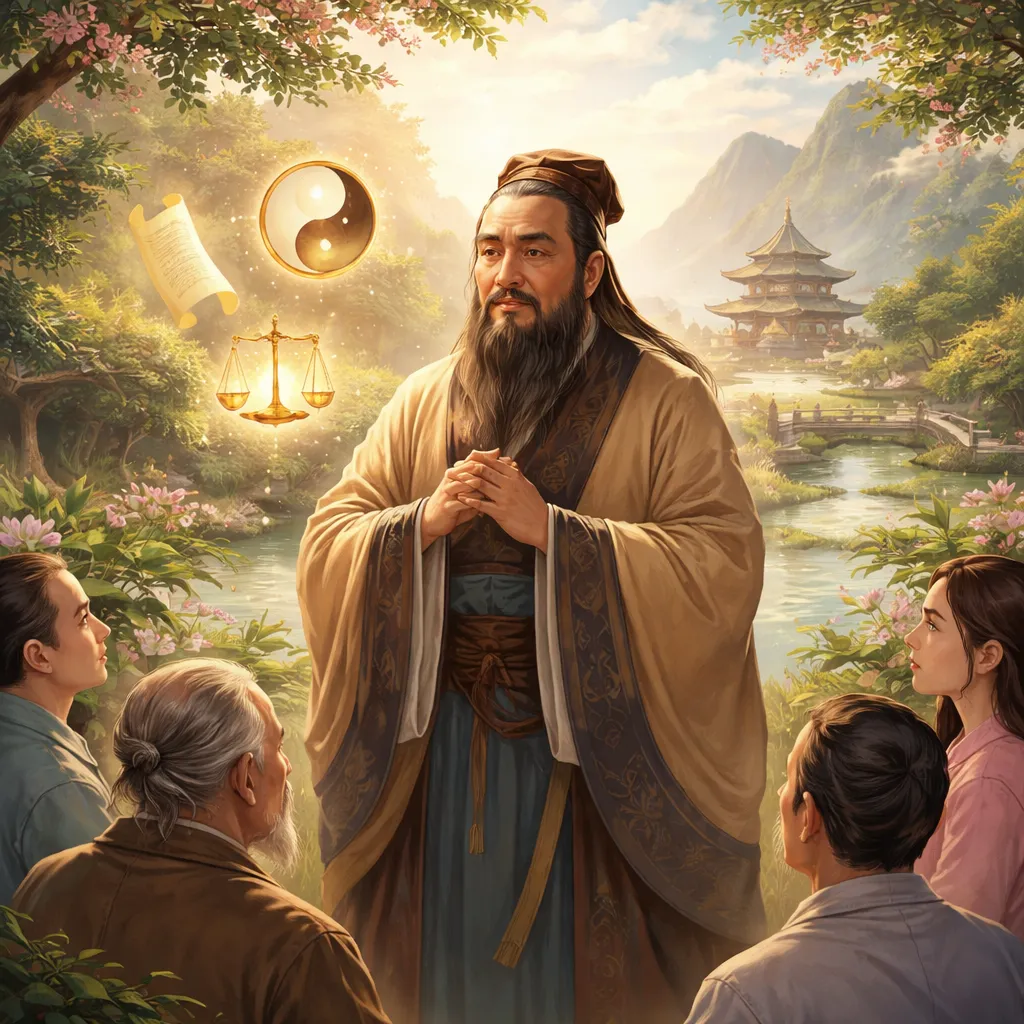

Introduction to Confucius
Confucius, known in Chinese as Kong Fuzi, was a philosopher, educator, and political figure whose teachings have had a profound influence on China and the world for over 2,000 years. Born in 551 BCE in the state of Lu (modern-day Shandong province, China), Confucius is one of the most respected and influential thinkers in human history. His ideas on ethics, governance, and family have shaped not only Chinese culture but also the way people view the world, relationships, and education globally.
For children and parents exploring the world of wisdom and learning, Confucius’ life and teachings provide timeless lessons. His emphasis on kindness, respect for others, and the importance of education are values that continue to resonate today. Understanding Confucius’ philosophy can inspire young minds to cultivate good habits, foster strong relationships, and lead lives of integrity.
Early Life and Background
Confucius was born into a time of political turmoil in China. The Zhou Dynasty had lost much of its power, and the country was divided into many warring states. Despite these challenges, Confucius grew up in a family that valued education. His father, Kong He, was a nobleman, but he passed away when Confucius was just three years old. This left Confucius and his mother in difficult circumstances, but they remained determined to pursue education.
From a young age, Confucius showed a strong interest in learning. He was passionate about studying the ancient texts of China and learning about the ways of the world. As a young man, Confucius worked in various government positions, but he was never satisfied with the corruption and poor governance he saw. Instead, he sought to bring about positive change through education and moral leadership.
Confucius spent much of his life traveling from state to state, offering his wisdom to rulers and officials. His teachings emphasized the importance of morality, proper conduct, and respect for tradition. He believed that through education, individuals could improve themselves and society.
Career Highlights and Achievements
Confucius’ career was focused on two main pursuits: teaching and advising rulers. He began his professional life by taking various governmental positions, but it was his role as a teacher that truly defined his legacy. He spent many years teaching young students, and it was through his teaching that he spread his ideas on morality, education, and ethics.
The most important part of Confucius’ career was his development of Confucianism, a philosophy that emphasized virtue, respect, and responsibility. His ideas are recorded in the Analects, a collection of his sayings and dialogues with his students. The Analects remain one of the most important texts in Chinese culture and philosophy, as well as a key resource for understanding his teachings.
Confucius also worked as an advisor to several rulers, offering counsel on how to govern wisely. Although he was not always successful in his political endeavors, his philosophy continued to influence leaders and thinkers for generations. His emphasis on ethical leadership, compassion, and the rule of law laid the groundwork for future Chinese rulers and policymakers.
Despite the challenges he faced in his lifetime, Confucius left behind a legacy that would last for centuries. His teachings formed the foundation for many schools of thought, including Confucianism, which became the state philosophy during the Han Dynasty (206 BCE – 220 CE).
Famous Works or Performances
The most famous and influential work associated with Confucius is the Analects (Lunyu), a collection of sayings, ideas, and stories about his life and teachings. In the Analects, Confucius discusses everything from personal virtue and family relationships to governance and society. The text provides insight into his core beliefs, including the importance of respect, the value of education, and the need for moral leadership.
In addition to the Analects, Confucius’ teachings are found in many other texts, such as the Book of Rites (Liji) and the Spring and Autumn Annals (Chunqiu). These works further explore Confucius’ ideas on ethics, politics, and society, helping to shape the moral framework of Chinese civilization for centuries.
Confucius’ teachings emphasized the concept of “Ren” (仁), often translated as “benevolence” or “humaneness.” This idea forms the cornerstone of Confucianism and represents the ideal human character—compassionate, respectful, and dedicated to doing what is right. Through his work, Confucius sought to cultivate this virtue in all individuals.
Personal Life and Fun Facts
Although Confucius is best known for his philosophy and teachings, he also led a fascinating personal life. He married and had a son, Kong Li, though little is known about his family life. Despite his success as a teacher and philosopher, Confucius faced many personal struggles, including financial difficulties and a lack of recognition from rulers during his lifetime.
One of the most interesting facts about Confucius is his deep love for learning. He is said to have studied for most of his life, and he encouraged his students to do the same. His humility and devotion to education set an example for others, especially young people who aspire to live a life of virtue and wisdom.
In addition to his love for learning, Confucius also had a strong interest in music. He believed that music was an important aspect of education and personal development. According to historical records, Confucius was a skilled musician who played the qin, a traditional Chinese stringed instrument. He saw music as a way to cultivate inner harmony and express moral feelings.
Legacy and Influence
The influence of Confucius’ teachings is vast and enduring. His philosophy, known as Confucianism, became the guiding moral and ethical framework for Chinese society, shaping the way people thought about government, family, and personal conduct for centuries. Confucianism emphasizes the importance of respect for elders, the value of education, and the need for ethical behavior in both personal and public life.
Confucius’ ideas also had a profound impact on other East Asian cultures, particularly in Japan, Korea, and Vietnam. His teachings influenced not only philosophical thought but also social and political systems. Many of the values Confucius promoted, such as filial piety, loyalty, and respect for authority, continue to be important in these cultures today.
Confucius’ teachings were officially adopted by the Chinese government during the Han Dynasty, and Confucianism became the dominant philosophy in China. Over time, his influence spread throughout East Asia and beyond, shaping the intellectual and cultural development of many societies.
Quotes or Famous Sayings
Confucius is famous for many timeless quotes that continue to inspire people around the world. Some of his most well-known sayings include:
“The superior man is modest in his speech but exceeds in his actions.” “Real knowledge is to know the extent of one’s ignorance.” “It does not matter how slowly you go as long as you do not stop.”
These quotes reflect Confucius’ emphasis on humility, self-awareness, and perseverance. They encourage individuals to strive for personal growth and to lead lives of integrity and purpose.
How to Learn from Confucius
There is much to learn from Confucius, both in terms of philosophy and personal conduct. His teachings on respect, humility, and the importance of education provide valuable lessons for children and young people.
For children, Confucius’ emphasis on education and self-improvement can be an inspiration to work hard and seek knowledge. His belief that learning should be a lifelong pursuit encourages children to be curious and open to new ideas.
Confucius also teaches the importance of kindness and respect for others. His emphasis on “Ren” (benevolence) encourages children to be compassionate and to treat others with dignity. By learning to be respectful, responsible, and kind, children can develop strong character and contribute positively to their communities.
Parents can use Confucius’ teachings to help their children develop good habits and a strong sense of morality. His ideas on family relationships, education, and personal conduct provide a solid foundation for teaching values such as respect, responsibility, and kindness.
Confucius’ life reminds us that wisdom, virtue, and self-improvement are lifelong goals. By embracing his teachings, young people can grow into thoughtful, compassionate individuals who seek to make a positive difference in the world.