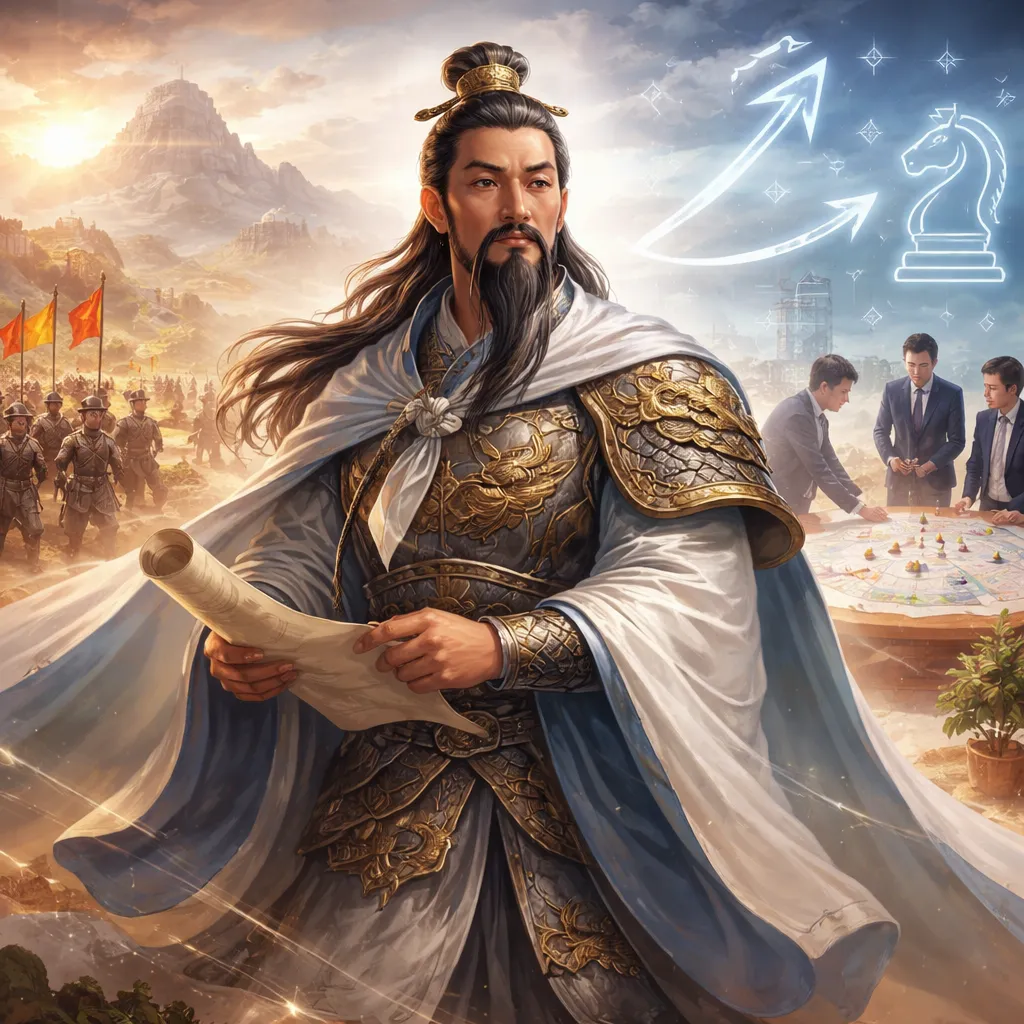

Introduction to Sun Tzu
Sun Tzu was an ancient Chinese military strategist, philosopher, and author, best known for his classic work, The Art of War. Born during the Eastern Zhou Dynasty, his exact birthdate remains uncertain, but his teachings have continued to shape military tactics and leadership strategies for over 2,500 years. Sun Tzu’s profound understanding of strategy, leadership, and conflict resolution makes him a figure worth knowing, even beyond the military realm.
For children and parents alike, Sun Tzu’s principles can serve as valuable life lessons. His strategies emphasize patience, understanding, and smart decision-making — skills that are useful not only in battles but also in everyday situations such as problem-solving, teamwork, and personal growth. Learning about Sun Tzu's life and wisdom offers an opportunity to understand the importance of thinking ahead, preparing thoroughly, and staying calm under pressure.
Early Life and Background
Sun Tzu is believed to have been born in the state of Qi during the Spring and Autumn period of China, around the 6th century BCE. Though much of his early life is not well-documented, it is thought that Sun Tzu came from a military family, which might have influenced his interest in strategy and warfare. His family’s background in military service allowed him to develop a strong foundation in the art of war from a young age.
There is some uncertainty about Sun Tzu’s exact birth name and his life before becoming a renowned strategist. Some sources suggest he was named Sun Wu, with "Tzu" being an honorific meaning "master." In his early years, Sun Tzu reportedly served in various military positions, honing his skills in leadership, strategy, and tactics. He eventually became a trusted advisor to the King of Wu, which marked the beginning of his rise to fame.
In the later years of his life, Sun Tzu was known for his wisdom and ability to apply military theory to practical scenarios. He is said to have been highly regarded for his calm demeanor and thoughtful decision-making, both of which would later be reflected in the teachings of The Art of War.
Career Highlights and Achievements
Sun Tzu’s career is primarily marked by his military service and the development of his famous treatise, The Art of War. As a general and strategist, he served under the King of Wu, where he played a pivotal role in the state’s military campaigns. His greatest achievement was leading the Wu forces to victory against the much larger and more powerful state of Chu.
The true significance of Sun Tzu’s career, however, lies in his creation of The Art of War, a work that outlines his strategies for warfare, leadership, and conflict resolution. The book is divided into 13 chapters, each focusing on different aspects of war, from planning and strategy to the management of troops and the use of terrain.
Sun Tzu's teachings emphasize that success in war is not only about brute force but also about strategy, timing, and adaptability. His emphasis on flexibility and understanding the environment around you made his strategies revolutionary in military thought. The work has been widely regarded as one of the most important texts on strategy and leadership, influencing not only military leaders but also business leaders, politicians, and sports coaches.
Throughout his career, Sun Tzu demonstrated that the best leaders avoid unnecessary conflict. His emphasis on preparing carefully, understanding the situation, and acting decisively remains relevant to leaders today.
Famous Works or Performances
The single most famous work of Sun Tzu is The Art of War, a treatise on military strategy and tactics that has influenced both military and civilian leaders across centuries. The book contains timeless principles for leadership, conflict management, and achieving success in difficult situations. Some of the core concepts include:
Know Yourself and Your Enemy: Sun Tzu emphasized the importance of understanding both your strengths and weaknesses as well as those of your opponents. This allows for better planning and the ability to exploit your enemy’s vulnerabilities. The Importance of Deception: One of the most famous principles of The Art of War is that “All warfare is based on deception.” Sun Tzu advocated for creating confusion and uncertainty in your opponent, which can give you a tactical advantage. Speed and Surprise: Sun Tzu also argued that speed and the element of surprise can be used to overwhelm opponents before they can respond effectively. The Use of Terrain: Understanding and using the battlefield to your advantage was another key point in Sun Tzu’s work. The terrain, weather, and surroundings should all be considered when planning a strategy.
These principles are not only valuable in warfare but can also be applied in personal life. For example, understanding one’s own strengths, being adaptable, and using the environment to one’s advantage are useful strategies in school, sports, or personal growth.
The teachings of The Art of War have been translated into numerous languages and continue to be studied by leaders and individuals around the world. The book has been adapted for use in various fields, including business, politics, and sports, showcasing Sun Tzu’s lasting influence on global thinking.
Personal Life and Fun Facts
While Sun Tzu is most famous for his work as a military strategist, little is known about his personal life. According to some legends, Sun Tzu was an enigmatic figure who was deeply committed to his principles. He is said to have written The Art of War not as a theoretical work, but as a guide based on his experiences in battle and leadership.
One fun fact about Sun Tzu is that there is a famous story about his leadership of the King of Wu’s army. When asked to train the king’s concubines as soldiers, Sun Tzu reportedly made it clear that he would not tolerate disobedience. When the concubines did not follow orders, Sun Tzu had them executed, showing his commitment to discipline and leadership principles.
Another interesting aspect of Sun Tzu’s life is his timeless influence on popular culture. His strategies have been quoted in various books, films, and speeches, and his philosophy continues to inspire military leaders, business executives, and athletes worldwide. His ability to think critically and approach problems strategically is a quality that continues to be admired.
Legacy and Influence
Sun Tzu’s legacy is enormous. The Art of War is still regarded as one of the most influential works in the world, shaping both military and non-military strategies. His ideas have had a profound impact on Chinese philosophy, military tactics, and political strategy, and they continue to be widely applied in various aspects of modern life.
The book’s teachings have transcended war, finding applications in areas such as business management, leadership, and sports. Many contemporary leaders in business, politics, and even sports have drawn inspiration from Sun Tzu’s ideas on how to manage people, compete successfully, and make strategic decisions.
In addition to influencing military strategy and leadership, Sun Tzu’s emphasis on wisdom, foresight, and adaptability has made his philosophy a valuable resource for anyone looking to improve their personal or professional lives. His work teaches us that success often depends on careful preparation, strategic thinking, and the ability to stay calm in challenging situations.
Quotes or Famous Sayings
Sun Tzu is known for many memorable sayings that continue to resonate with people today. Some of his most famous quotes include:
“The supreme art of war is to subdue the enemy without fighting.” “If your opponent is of choleric temper, seek to irritate him.” “Know yourself and your enemy, and in a hundred battles, you will never be in peril.”
These quotes reflect Sun Tzu’s understanding of strategy, human nature, and the importance of preparation. They encourage thinking ahead, understanding your environment, and making the best possible decisions in the face of challenges.
How to Learn from Sun Tzu
Sun Tzu’s life and teachings offer numerous lessons that can be applied to everyday life. His strategies for overcoming obstacles, handling challenges, and achieving goals can serve as valuable guidance for children and adults alike.
For young people, Sun Tzu’s emphasis on strategic thinking, preparation, and adaptability can inspire them to think critically and approach problems in a thoughtful way. His teachings remind us that success comes not only from hard work but also from using wisdom and strategy.
Parents can use Sun Tzu’s principles to encourage their children to plan ahead, stay disciplined, and manage their time effectively. Sun Tzu’s belief in understanding both yourself and your challenges can help children build self-awareness and become more confident in their abilities.
Sun Tzu also teaches the value of leadership. His ideas about leading with wisdom and integrity can inspire children to be responsible leaders in their communities, schools, and even in their friendships.
By embracing Sun Tzu’s timeless wisdom, young people can learn to navigate the complexities of life with confidence, strategy, and foresight. His teachings show us that success is often about thinking ahead, making smart decisions, and staying calm under pressure.