
Introduction to Maldives
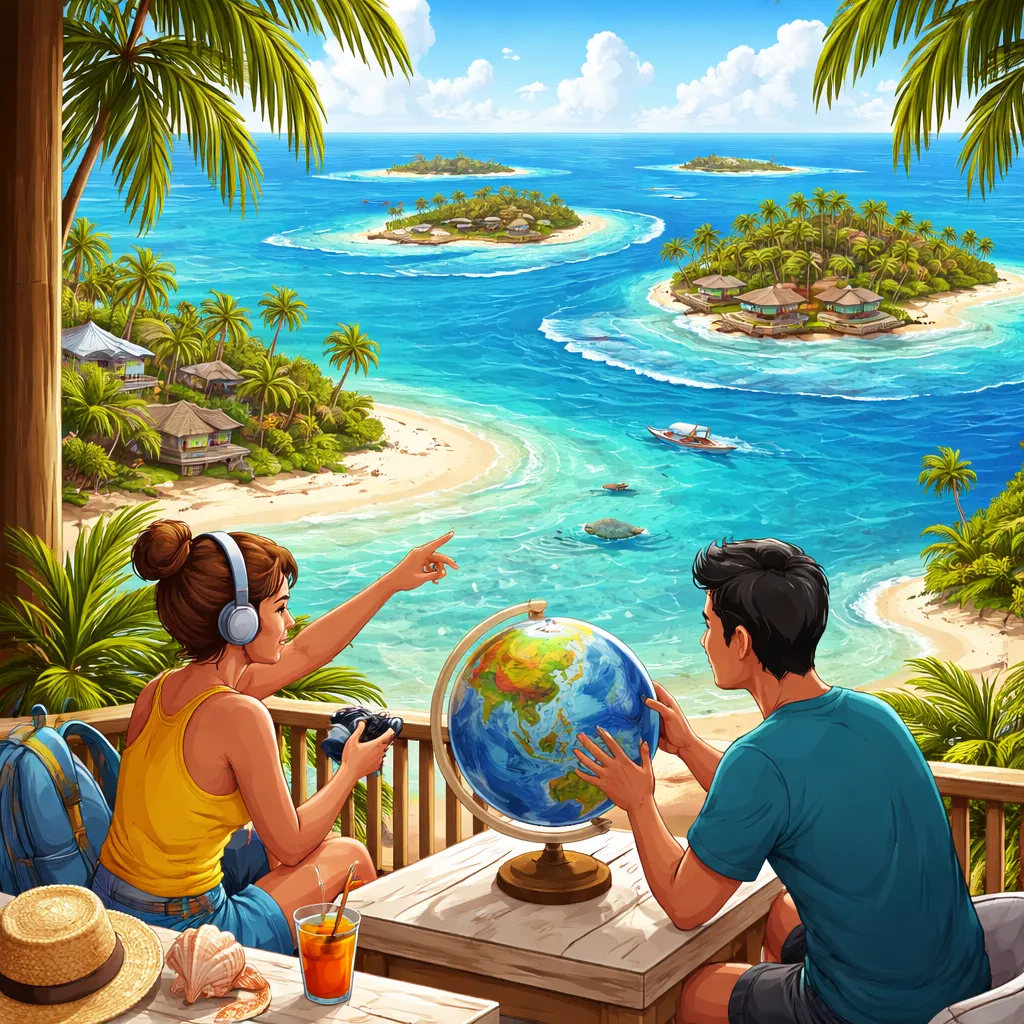
Language learning takes us to places where land meets sea in the most delicate way. Today we explore a nation made of tiny islands scattered across the ocean. This country sits so low that the sea touches its shores on all sides. Children will discover a world of coral sands and clear blue water. They will learn about islands that rise only a few feet above the waves. Exploring Maldives builds reading skills while showing the beauty of our planet. Every fact reveals a unique way of life. Every word invites them to imagine life on a coral island.
Where Is Maldives?
Maldives lies in the Indian Ocean southwest of India and Sri Lanka. This island nation consists of about one thousand two hundred small islands. The islands form a chain of twenty-six atolls. An atoll is a ring-shaped coral reef that surrounds a lagoon. The islands stretch over five hundred miles from north to south. The capital city is Malé. Malé sits on one of the largest islands in the group. It ranks as one of the most densely populated cities in the world. The country has no mountains or rivers. Every island rises only a few meters above sea level. Finding Maldives on a map shows a tiny chain of dots in a vast ocean. Understanding this geography helps young readers appreciate why this nation faces unique challenges.
Interesting Facts About Maldives
Maldives offers many fascinating facts for young learners. It is the lowest lying country in the world. The highest point sits only about eight feet above sea level. This makes the nation very vulnerable to rising oceans. Another interesting fact involves the islands themselves. No single island is very large. The largest island covers only a few square miles. Most islands are so small that you can walk around them in less than an hour.
Maldives also has incredible underwater life. The coral reefs surrounding the islands hold thousands of species of fish. Manta rays glide through the water. Whale sharks swim near the reefs. These gentle giants are the largest fish in the sea. Another fun fact involves sand. The sand on many islands comes from coral. It feels soft and white between your toes. Some islands even have sand that glows in the dark. Tiny organisms in the water create a magical blue glow on the shores at night.
The country also has a unique culture. People have lived on these islands for over two thousand years. They developed skills in boat building and navigation. Fishing remains a central part of life. These facts show children a nation shaped entirely by the ocean around it.
Key Vocabulary About Maldives
Let us build vocabulary for this ocean nation. These words help children describe what they learn.
Atoll: a ring-shaped coral reef that encloses a lagoon.
Coral: a hard substance made by tiny sea animals.
Lagoon: a shallow body of water separated from the sea by a reef.
Reef: a ridge of rock or coral near the surface of water.
Manta Ray: a large flat fish that glides through the ocean.
Sea Level: the average height of the ocean's surface.
Island: land completely surrounded by water. Introduce these words with pictures and videos. Show an atoll from above showing the ring shape. Show a manta ray swimming with its wide wings. Let children say each word aloud. These vocabulary words give children the language to explore this watery world.
Simple Sentences for Reading Practice
Short sentences help new readers build confidence. Use these sentences about Maldives for practice.
Maldives is a country of many small islands.
The islands sit in the Indian Ocean.
The capital city is Malé.
Coral reefs surround the islands.
Colorful fish swim in the clear water.
Maldives is the lowest country in the world.
Many islands have white sand beaches. Read each sentence together. Let children point to the words. Encourage them to repeat after you. Use pictures to show each fact. These simple sentences prepare young readers for longer passages.
Short Reading Passage About Maldives
Here is a short passage for children to read together.
“Maldives lies in the Indian Ocean. One thousand two hundred islands form this nation. The islands group together in ring shapes called atolls. Each atoll holds many small islands around a central lagoon. The capital, Malé, sits on one of the largest islands. It is a busy city with many people. Most islands in Maldives rise only a few feet above the sea. This makes Maldives the lowest country on Earth. Coral reefs grow around the islands. These reefs provide homes for thousands of sea creatures. Manta rays flap their wide fins through the water. Whale sharks swim slowly past the reefs. The sand on many beaches comes from crushed coral. It feels soft and looks bright white. At night, tiny organisms sometimes make the water glow blue. Fishermen have lived on these islands for generations. They build boats and catch fish from the sea. Life in Maldives revolves around the ocean that surrounds it.”
Read this passage slowly together. Pause to talk about each idea. Ask children to find vocabulary words in the text. This activity builds reading fluency and deepens understanding.
Fun Questions About Maldives
Questions make reading interactive and engaging. Use these to start conversations with young learners.
What ocean surrounds Maldives?
What is the capital city of Maldives?
What shape do the islands form in groups?
What makes Maldives the lowest country in the world?
What gentle giant fish swims near the reefs?
Why does the sand feel soft and look white? Let children answer in complete sentences. Encourage them to use new vocabulary. Ask them to imagine visiting an island. What would they see in the water? What would they feel on the sand? Creative questions make the topic personal and exciting.
Tips for Learning English with This Topic
Use Maldives to create engaging English learning experiences. Start with a map activity. Let children find Maldives in the Indian Ocean. Point out the tiny dots that represent the islands. Discuss how many islands form one nation. This connects geography to the concept of atolls in a visual way.
Next, introduce the vocabulary through a water play activity. Fill a shallow container with water. Use small rocks or clay to create a ring shape. Explain how an atoll forms around a lagoon. Add toy fish or pictures of manta rays. Let children arrange the islands and name the parts.
Read the passage aloud with a calm, flowing voice. Let your tone reflect the gentle ocean setting. After reading, let children draw a scene from Maldives. One child might draw an atoll from above showing the ring shape. Another might draw a manta ray swimming. Let them label their drawings with vocabulary words. Add blue paper for water and white sand for beaches.
Incorporate a science connection. Talk about sea level and why Maldives faces challenges. Use simple terms to explain how rising water affects low islands. This shows children that language learning reading connects to real-world issues.
Use music and movement to enhance the experience. Play gentle ocean sounds while reading or drawing. Let children move like manta rays with arms spread wide. Pretend to swim like a whale shark. Physical activity reinforces learning in joyful ways.
Encourage children to share their knowledge. Let them tell a family member about the lowest country on Earth. They can explain what an atoll looks like. Teaching others builds confidence and deepens understanding.
Connect Maldives to your child's world. Ask, “What bodies of water have we visited?” Talk about beaches, lakes, or rivers. Compare the sand you have seen to the coral sand of Maldives. Ask about fish you have seen. Compare them to manta rays and whale sharks. These connections help children see that language learning reading is about understanding places both near and far. By exploring Maldives together, you give children a rich experience. They learn new words, discover a nation shaped by the sea, and grow their love for reading. This island paradise becomes a meaningful part of their learning journey.