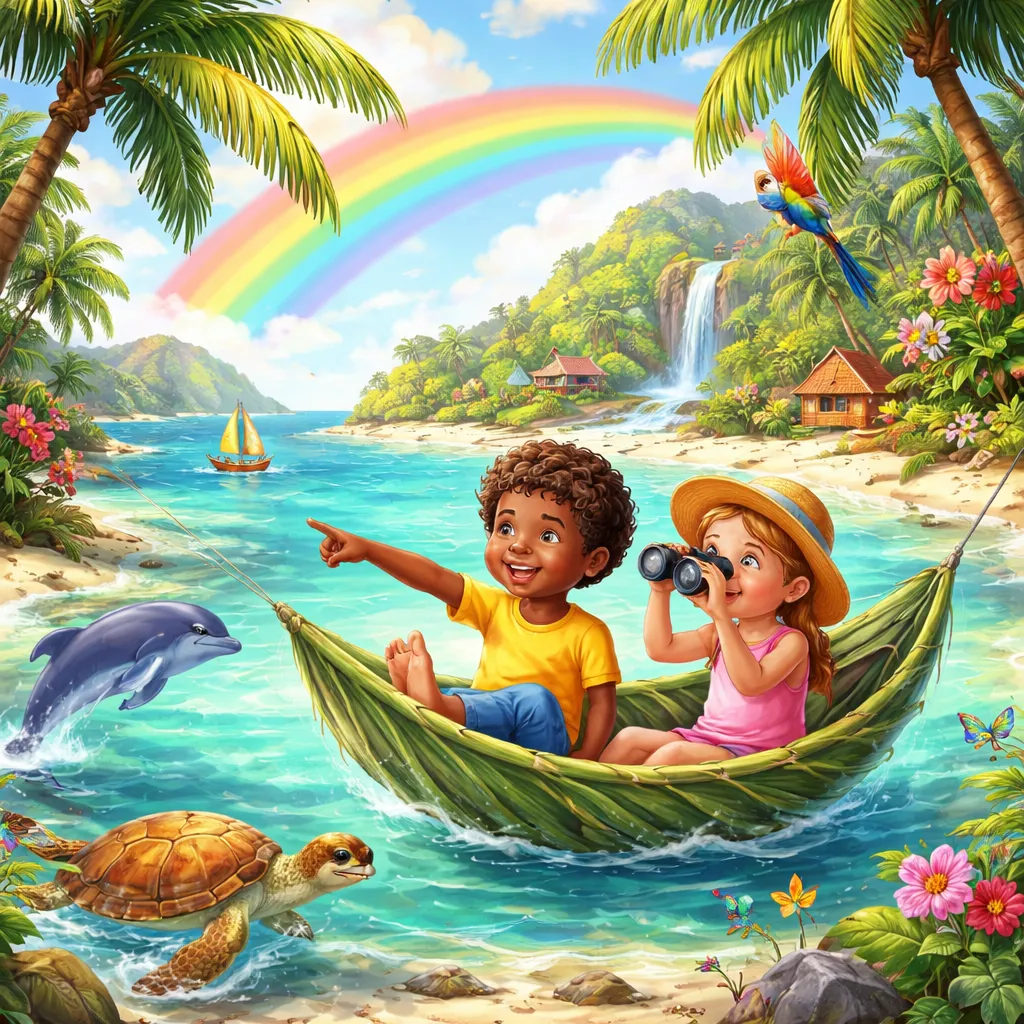

Introduction to Seychelles Seychelles is a country of 115 islands in the Indian Ocean. The islands are small and very beautiful. Children there learn English, French, and Creole at school. Learning reading: Seychelles offers a window into a world of white sand and giant turtles. Kids on these islands read stories about shipwrecks and coconut trees. They also learn about protecting the ocean and its creatures. Reading about Seychelles feels like floating in clear blue water. Your child can explore this tropical paradise from your reading corner. Each new word becomes a seashell on a sunny beach. Let us walk along that beach together.
Where Is Seychelles? Seychelles sits in the Indian Ocean. It lies northeast of Madagascar. It lies east of Kenya and Tanzania. The country has no land neighbors. The ocean surrounds every island. The capital city is Victoria. Victoria sits on the island of Mahe. Mahe is the largest island in Seychelles. The whole country covers only 459 square kilometers. That is smaller than New York City. But the ocean around Seychelles is very large. The country controls 1.3 million square kilometers of ocean. Most of the 115 islands have no people. Only 33 islands have homes and schools. Learning reading: Seychelles becomes real when you look at a map of Africa. Find the big island of Madagascar. Look northeast into the Indian Ocean. You will see tiny dots. Those dots are Seychelles. Point to the largest dot called Mahe. Say the name. "Sey-chelles." It sounds like "say-shells." You just found one of the smallest countries in Africa.
Interesting Facts About Seychelles Seychelles has many wonderful facts. First, the country has giant tortoises. These animals can live for over 150 years. They weigh as much as a grown man. Second, Seychelles has a very rare nut. It is called the coco de mer. It looks like a woman's body. It can weigh up to 30 kilograms. Third, the beaches have huge granite boulders. The rocks look like giant marbles. Fourth, Seychelles has no native land mammals. Bats are the only wild mammals. Fifth, the country protects the ocean. Almost half of its ocean is a nature reserve. Sixth, Aldabra Atoll in Seychelles is the largest raised coral atoll in the world. It has more giant tortoises than people. Learning reading: Seychelles teaches words like "tortoise," "coral," "atoll," and "boulder." Each fact gives your child a new picture. Imagine a turtle so old that it saw your grandparents. Imagine a nut that is too heavy to lift. Imagine a beach full of smooth giant rocks. These pictures make words stay in your mind. Parents can ask: "Would you like to see a giant tortoise?" "What would you do with a nut that heavy?" Your child will feel amazed by these strange and wonderful things.
Key Vocabulary About Seychelles Let us learn six important words from Seychelles.
First is "tortoise." A tortoise is a slow land animal with a hard shell. Seychelles has giant tortoises.
Second is "coral." Coral is a tiny animal that builds hard skeletons. Many corals together make a reef.
Third is "atoll." An atoll is a ring-shaped coral reef surrounding a lagoon. Aldabra is a famous atoll.
Fourth is "boulder." A boulder is a very large rock. Granite boulders sit on many beaches.
Fifth is "coco de mer." This is a very large nut that grows only in Seychelles.
Sixth is "lagoon." A lagoon is shallow water separated from the ocean by a reef or sand.
Learning reading: Seychelles gives you these six words. Make a sound or movement for each word. For tortoise, move your hands very slowly. For coral, wiggle your fingers like tiny tentacles. For atoll, draw a circle in the air with your finger. For boulder, make a heavy "thud" sound. For coco de mer, hold your arms like you are carrying something very heavy. For lagoon, make a gentle splashing sound. Say each word while you make the sound or movement. Your child will remember because their whole body joins the lesson. Practice these during bath time. Practice them on a walk. Soon your child will say "tortoise" and move their hands slowly without thinking.
The Famous People About Seychelles Seychelles is a very small country. It has produced a few famous people. One is James Mancham. He became the first president after independence in 1976. He was also a writer. Another famous person is France-Albert René. He served as president for many years. He helped make Seychelles known around the world. There is also a singer named Jean-Marc Volcy. He sings traditional music from Seychelles. His songs talk about the ocean and the islands. Another important person is Danielle de Saint Jorre. She worked as a diplomat. She represented Seychelles in many countries. There is also an athlete named Sharry Mansson. She competes in swimming. These people show that even tiny island nations have leaders, singers, and athletes. Learning reading: Seychelles becomes inspiring through these names. Say each name. "James Man-cham." "France-Al-bert Re-né." "Jean-Marc Vol-cy." "Da-ni-elle de Saint Jor-re." "Shar-ry Mans-son." Talk about what each person did. "What did James do?" "He led the country." "What does Jean-Marc do?" "He sings." "What does Sharry do?" "She swims." Your child can imagine singing on a beach or swimming in clear blue water. These famous people prove that no island is too small for big dreams.
Simple Sentences for Reading Practice Here are easy sentences about Seychelles. Read each one aloud.
Seychelles has 115 islands in the warm Indian Ocean.
The capital city Victoria sits on the main island of Mahe.
Giant tortoises walk slowly across the grass on Aldabra Atoll.
The coco de mer nut grows only on two islands in Seychelles.
Granite boulders as big as cars sit on the white sand beaches.
Coral reefs around the islands shelter colorful fish and sea turtles.
A lagoon forms when a coral reef grows in a circle around shallow water.
Seychelles protects almost half of its ocean as a nature reserve.
James Mancham became the first president when Seychelles gained freedom.
Jean-Marc Volcy sings songs about the ocean and island life.
Learning reading: Seychelles makes these sentences easy to practice. Read a sentence. Then ask your child to close their eyes and see it. For sentence two, see a small city on a green island. For sentence three, see a giant tortoise eating leaves. For sentence five, see a beach with giant round rocks. For sentence eight, see a big blue area on a map. After the picture is clear, read the sentence again. You can also make a matching game. Write each sentence on a card. Write a simple drawing on another card. Match sentence three to a drawing of a tortoise. Match sentence six to a drawing of a fish. This game builds comprehension through art.
Short Reading Passage About Seychelles Read this passage together. It uses all the words we learned.
Seychelles floats in the Indian Ocean like a handful of green gems. The largest island is Mahe. The capital Victoria rests on Mahe's east coast. No traffic jams block the streets. The air smells like flowers and salt. On Aldabra Atoll, giant tortoises move slowly across the coral rock. Some tortoises have lived for 150 years. They have seen many seasons pass. In the Vallée de Mai forest, the coco de mer nut grows high in palm trees. The nut is very heavy. It looks like nothing else on Earth. Granite boulders sit on the beaches like sleeping giants. The waves wash around their smooth sides. Under the water, coral reefs glow with color. Fish in every color of the rainbow swim between the corals. A lagoon of shallow blue water separates the reef from the shore. Children wade in the warm lagoon. Famous Seychellois include James Mancham, the first president, and Jean-Marc Volcy, a singer. Their names remind everyone that small places produce great people. Learning reading: Seychelles invites you to a world of slow tortoises and heavy nuts. A world of granite marbles and coral cities. Now close your eyes. Imagine you stand on a beach in Seychelles. The sand is white and soft. A giant boulder sits beside you. The water is clear blue. You see a fish swim by. What color is the fish? What do you want to do first? Swim? Build a sandcastle? Look for a tortoise?
This passage has 200 words. Read it slowly. Stop after each sentence. Ask your child to snap their fingers when they hear a word they like. Snap for "tortoise." Snap for "coral." Snap for "lagoon." The snaps keep them engaged. After the passage, ask your child to name their favorite thing from Seychelles. Maybe the giant tortoises. Maybe the heavy nuts. Maybe the clear blue water. Whatever they choose, say "That is a great choice. Tell me more." Their words matter more than grammar.
Fun Questions About Seychelles Use these questions to talk about these beautiful islands.
Would you rather live on a big island like Mahe or a tiny island with no people? Why?
How would you feel standing next to a giant tortoise that is 150 years old?
Could you lift a coco de mer nut that weighs 30 kilograms? What would you do with it?
Why do you think granite boulders look smooth after many years of waves?
What colors would you see if you swam in a coral reef?
Would you like to wade in a warm lagoon? What would you look for in the water?
Why is it important to protect the ocean around Seychelles?
If you met Jean-Marc Volcy, what song would you ask him to sing?
Would you prefer swimming or walking among giant tortoises? Why?
What would you name a new island in Seychelles?
Learning reading: Seychelles turns every question into a tropical daydream. Parents answer first. "I would live on a tiny island with no people because I want to hear only the waves and the birds." Then your child answers. Let them be imaginative. If they say "I would ride a giant tortoise like a horse," say "That tortoise would walk very slowly. Where would you go together?" Keep the conversation going. You can also draw the answers. Draw a tortoise with a saddle. Draw a nut that is bigger than a person. Draw a fish wearing sunglasses. Ask one question during breakfast. Ask another question before bed. Seychelles will become a happy dream in your home.
Tips for Learning English with This Topic Now let us bring Seychelles into your home. First, draw a giant tortoise. Give it a wrinkled face and a big shell. Say "tortoise" as you draw. Second, build a coral reef with LEGOs or clay. Make colorful shapes. Say "coral" for each piece. Third, find a heavy book or rock. Try to lift it. Say "coco de mer" as you struggle. Fourth, draw a beach with boulders. Make big round circles on the sand. Say "boulder" for each rock. Fifth, fill a bowl with blue water. Add a drop of blue food coloring. Wade your fingers in it. Say "lagoon" as you play. Sixth, watch a short video of Seychelles beaches. See the clear water and giant rocks. Say "Seychelles" when you see a tortoise. Learning reading: Seychelles gives you these six tips. Do one tip each day. Do not rush. Let the images and sounds settle. Learning English is like floating in a lagoon. You do not struggle. You relax. You let the water hold you. So relax. Let the words hold you. One tip. One word. One gentle wave at a time.
Your child will remember Seychelles. They will remember the tortoises and the boulders and the clear blue lagoons. But most of all, they will remember reading with you. That quiet time together builds a safe harbor. A harbor of love and learning. So keep this article on your fridge. Read one sentence tonight. Ask one question tomorrow. Try one tip this weekend. Seychelles is not a distant paradise. It is right here every time you learn a new word together. Say one now. "Tortoise." Wonderful. Say another. "Lagoon." Beautiful. You are already walking on a white sand beach. Keep walking. The ocean sparkles ahead.