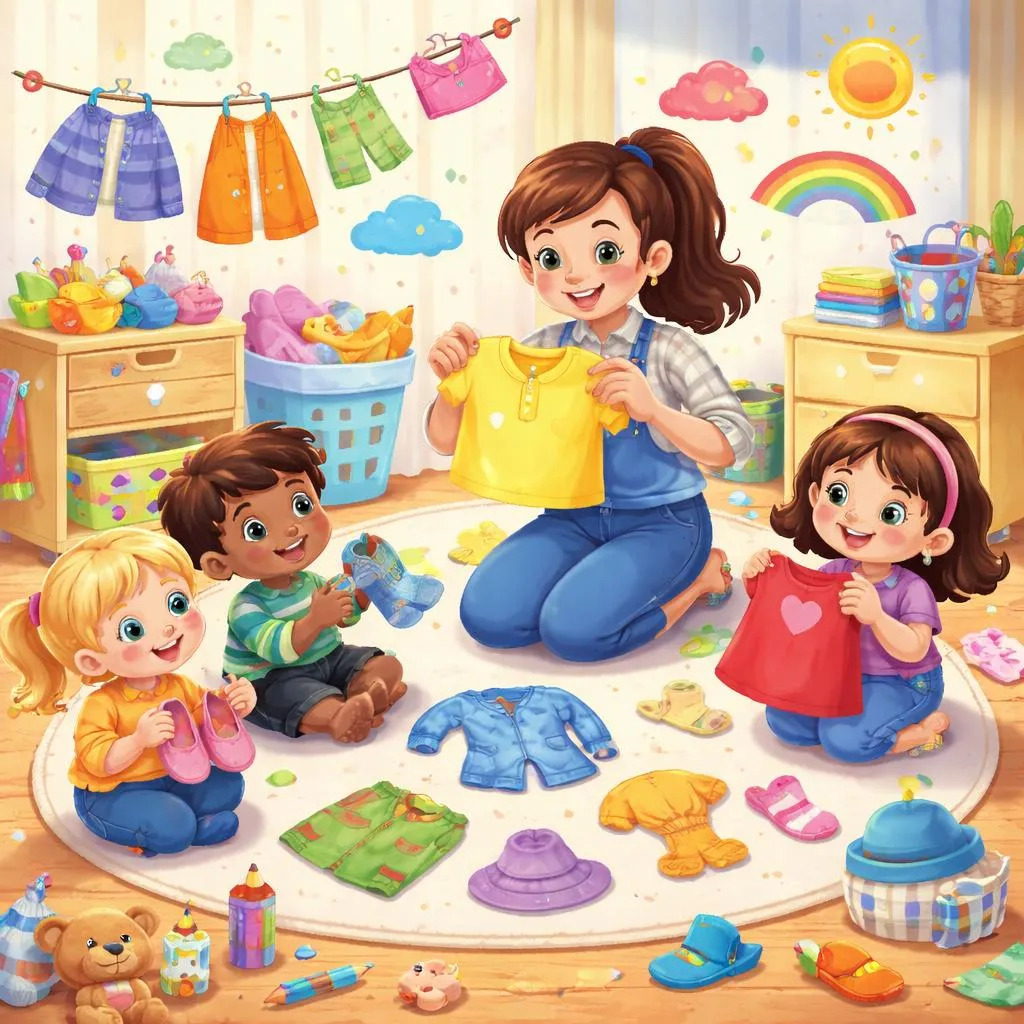

What Is Clothes Teaching?
Clothes teaching is the process of introducing clothing words and ideas in English. Clothes appear in daily life and offer many chances for language learning.
Clothes teaching connects words with real objects. This approach supports memory, comprehension, and speaking confidence.
Clothing topics also connect to routines, weather, and personal expression. These connections make language meaningful and practical.
Meaning and Explanation of Clothes Teaching
Clothes teaching focuses on naming, describing, and using clothing words. Words like shirt, pants, dress, shoes, and hat appear often in daily conversations.
Clothes also connect to seasons and activities. Winter coats, summer hats, and school uniforms provide context.
Teaching clothes vocabulary supports functional language. This vocabulary helps express needs, preferences, and routines.
Clothes teaching also introduces descriptive language. Colors, sizes, and patterns appear naturally in clothing discussions.
Categories of Clothes in Clothes Teaching
Clothes teaching often groups clothing into simple categories. These categories help organize vocabulary and meaning.
Everyday clothes include shirts, pants, skirts, and socks. Special clothes include pajamas, sportswear, and costumes.
Seasonal clothes include jackets, sweaters, and shorts. Accessories include hats, scarves, belts, and bags.
Footwear includes shoes, boots, and sandals. Each category expands vocabulary and classification skills.
Daily Life Examples in Clothes Teaching
Daily routines provide natural contexts for clothes teaching. Getting dressed in the morning introduces clothing words.
Laundry time introduces words like wash, dry, and fold. Shopping introduces words like buy, size, and price.
Weather discussions connect clothes to temperature and seasons. Raincoats, umbrellas, and gloves appear in weather-related talk.
Special events introduce formal clothes and costumes. Celebrations offer rich opportunities for descriptive language.
Printable Flashcards for Clothes Teaching
Printable flashcards support visual learning. Each card can show a clothing item with a clear picture and word.
Large fonts and bright colors support early reading skills. Flashcards can support matching games and sorting activities.
Cards can group clothes by color, season, or category. Sorting activities strengthen classification and vocabulary recall.
Flashcards also support sentence practice. Simple sentences like “This is a hat” connect words to grammar.
Learning Activities for Clothes Teaching
Interactive activities make clothes teaching engaging and memorable. Role-play activities allow practice with real clothing items.
Dress-up games encourage creativity and language use. Pretend shopping activities introduce practical conversation patterns.
Drawing and coloring clothes scenes support artistic expression. Labeling drawings connects visuals with vocabulary.
Storytelling activities with clothing characters support imagination. Stories about magical clothes or adventure outfits expand language.
Educational Games for Clothes Teaching
Games create joyful repetition and reinforce learning. A clothing bingo game uses pictures and spoken words.
A guessing game can describe clothing without naming it. This activity supports listening and descriptive skills.
A sorting game groups clothes by season or color. Sorting strengthens cognitive and language skills.
A fashion show activity invites descriptive speaking. Participants describe outfits using simple sentences.
Integrating Clothes Teaching with Phonics
Clothes teaching supports phonics learning. Words like hat, cap, and coat highlight short vowel sounds.
Words like shoe and boot show long vowel sounds. Rhyming pairs like hat and cat support rhyme awareness.
Consonant sounds like /s/ in shirt and /b/ in boot support articulation practice. Repeating clothing words helps reinforce sound-letter connections.
Grammar Patterns in Clothes Teaching
Clothes teaching introduces basic grammar structures. Simple present tense sentences appear often.
“This is a dress” and “These are shoes” introduce singular and plural forms. Adjectives appear in phrases like red shirt and big coat.
Questions like “What is this?” and “What color is it?” support communication. Commands like “Put on your jacket” introduce imperatives.
These patterns support early sentence building and comprehension.
Cross-Curricular Connections in Clothes Teaching
Clothes teaching connects to many subjects. Math activities include counting shirts or socks.
Science topics include materials like cotton, wool, and leather. Social studies topics include traditional clothing around the world.
Art activities include designing outfits and patterns. Music activities include songs about clothes and dressing routines.
This integration creates a rich learning environment.
Cultural Aspects of Clothes Teaching
Clothes reflect culture and identity. Traditional clothing from different countries introduces global awareness.
Festivals and celebrations showcase unique costumes and outfits. These topics support cultural understanding and respect.
Comparing clothing styles encourages curiosity and discussion. This approach builds global awareness through language.
Emotional and Social Learning Through Clothes Teaching
Clothes relate to self-expression and identity. Choosing clothes can express mood and personality.
Discussing favorite clothes supports emotional language. Group activities like fashion shows encourage cooperation.
Sharing stories about special clothes builds empathy and connection. These activities support social and emotional development.
Using Technology in Clothes Teaching
Digital tools can support clothes teaching. Animated videos show clothing vocabulary with visuals.
Interactive apps include dressing games and quizzes. These tools provide engaging repetition and immediate feedback.
Digital flashcards and printable worksheets support structured practice. Technology supports both classroom and home learning.
Common Challenges in Clothes Teaching
Some clothing words may be confusing due to similar meanings. Visual aids help clarify differences between pants and shorts.
Pronunciation challenges may appear with words like sweater and scarf. Slow repetition supports clear articulation.
Attention may shift during vocabulary practice. Games and movement maintain engagement and motivation.
Practical Tips for Effective Clothes Teaching
Real clothes make learning concrete and meaningful. Props like hats and scarves enhance engagement.
Short and frequent practice sessions support retention. Repetition across routines strengthens vocabulary recall.
Encouraging descriptive language expands communication skills. Combining color, size, and clothing words builds richer sentences.
Creative projects like designing outfits deepen understanding. Art and storytelling connect language with imagination.
Clothes teaching creates a bridge between language and daily life. Real objects, creative activities, and meaningful routines make learning natural and enjoyable. This approach supports vocabulary, grammar, phonics, and expressive skills in a friendly and inspiring way.