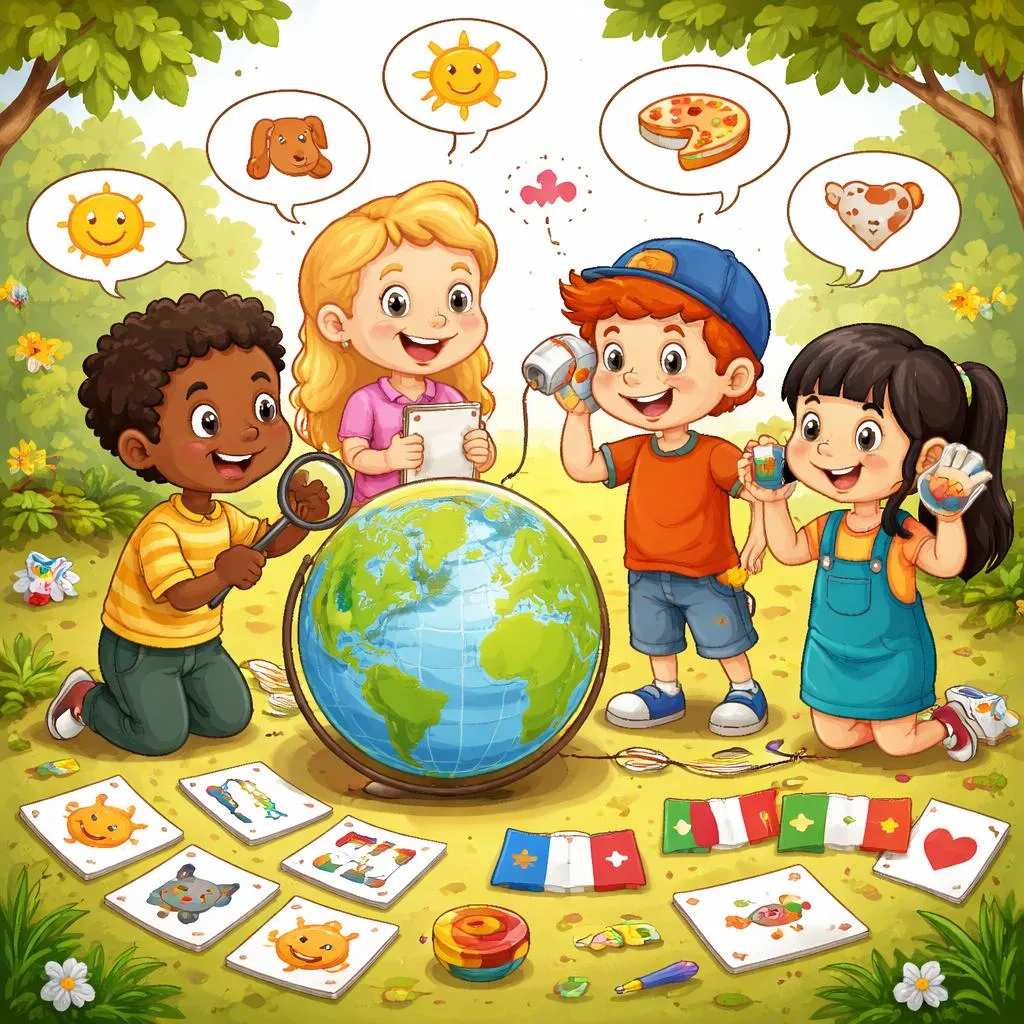

What Is a Dialect? A dialect is a form of a language spoken by a group of people in a particular region or community. It includes unique words, phrases, and sometimes even ways of pronouncing words. Different places have different dialects, which is why people from different areas may speak the same language but sound a little different. For example, in English, people from the United States, the United Kingdom, and Australia all speak English, but they have different dialects. These dialects have different words and sometimes different ways of pronouncing the same word.
Why Are Dialects Important? Dialects are important because they help show where people come from. They are like a special sign that tells us which region or community the person belongs to. Dialects make language richer and more interesting because they bring variety to how people express themselves. Here’s why dialects are useful:
Shows Identity: Dialects help people feel connected to their hometown or community.
Adds Flavor to Language: They make language sound more colorful and exciting.
Helps with Communication: Knowing different dialects can help you understand people from various regions.
How Do Dialects Work? Dialects work by changing words, phrases, or sounds that are used in different places. These changes can happen in the way people speak, spell words, or even in how certain words are used. For example, in American English, the word "elevator" is used, but in British English, the same thing is called a "lift". Even though the meaning is the same, the words are different because of the dialect.
- Pronunciation
People from different places might say the same word in different ways. For example:
"water" might be pronounced /ˈwɔːtə/ in the UK, but /ˈwɔːtər/ in the US.
- Spelling
Sometimes, dialects change how words are spelled. For example:
"color" (American English) vs. "colour" (British English).
- Vocabulary
Dialects often have unique words that aren’t used in other areas. For example:
In American English, people might say "apartment", while in British English, they might say "flat".
Examples of Dialects Let’s look at some examples of different dialects in English:
- American English
People in the US might say:
"I’m going to the store."
"Do you want a cookie?"
"I live in an apartment."
- British English
People in the UK might say:
"I’m going to the shop."
"Do you want a biscuit?"
"I live in a flat."
- Australian English
People in Australia might say:
"I’m going to the shop."
"Do you want a Tim Tam?"
"I live in a flat."
Although they all speak English, their dialects make them sound different. The words they use, their pronunciation, and sometimes even their spelling can vary.
Phonics Fun with Dialects Here’s how you can practice listening for dialects using the sounds of words:
/r/ sound: In some dialects, the /r/ sound is stronger, like in American English, where you hear "car" pronounced with a hard /r/ sound.
Example: "car" /kɑːr/
/t/ sound: In British English, the /t/ sound is often clearer, like in "butter".
Example: "butter" /ˈbʌtə/
/ʌ/ sound: In Australian English, people may pronounce certain vowels differently, like the /ʌ/ sound in "bus".
Example: "bus" /bʌs/
By listening carefully to these sounds, you can tell which dialect is being spoken!
Fun Ways to Learn about Dialects Here are some fun activities to help you learn more about dialects:
- Dialects Around the World
Find out how people speak in different countries. Try to listen to a story or watch a video in different dialects of English, like American English, British English, and Australian English. See how they sound different!
- Dialects in Your Own Country
Listen to how people speak in different parts of your country. You may notice that people from different places say things in different ways, even if they are speaking the same language.
- Make a Dialect Map
Draw a map of your country or the world and mark different places where people speak differently. You can use symbols or colors to show different dialects.
- Dialect Role Play
Pretend to be from different regions or countries and practice speaking like them. Use their special words or try saying the same sentence in different dialects.
For example: "Can I have a cookie?" in American English vs. British English.
Fun Games with Dialects Here are some games to help you practice learning about dialects:
- Dialects Match-Up
Write down sentences or phrases in different dialects. Try to match them with the correct place. For example, "flat" goes with British English, and "apartment" goes with American English.
- Guess the Dialect
Listen to people speaking in different dialects of English. Try to guess where they are from based on how they say certain words. You can listen to YouTube videos, movies, or even recordings of different accents.
- Dialect Bingo
Create bingo cards with words from different dialects. As you watch or listen to videos in different dialects, mark off the words you hear. The first person to get five words in a row wins!
Connecting Dialects to Real Life Dialects help us understand where people are from and what makes their language special. Here’s how dialects are used in real life:
At School: You may hear different accents or words from your classmates who come from different regions. It’s fun to learn about the words they use!
In Movies: Many movies use different dialects to show where a character is from. This helps tell the story and gives us clues about the character’s background.
With Friends: When you meet people from different parts of the country or world, you might notice they use different words or sound different when they speak. This makes conversations interesting and helps you learn more about their culture.
Classroom Practice with Dialects Here are some easy ways to practice dialects in class:
Write a Dialogue: Create a conversation between two people from different regions. Use words and phrases from their dialects. Practice saying the lines with a friend.
Guess the Dialect: Have a friend say sentences in different dialects. Try to guess where they are from based on their accent and words.
Make a Chart: Write down words from different dialects and show how they are used in different regions. Compare how they are said in American English, British English, and Australian English.
Extending Learning Beyond the Classroom You can continue learning about dialects outside of school with these activities:
Watch TV Shows or Movies: Watch shows or movies that use different dialects. See how the characters speak differently based on where they are from.
Travel and Listen: If you travel, listen to how people speak in different regions. Notice how the words and sounds change.
Talk to People from Different Places: Ask your friends and family about how people speak in different areas. You can even try to use their words and phrases to see if they understand you!