
What Is the Rhyme?
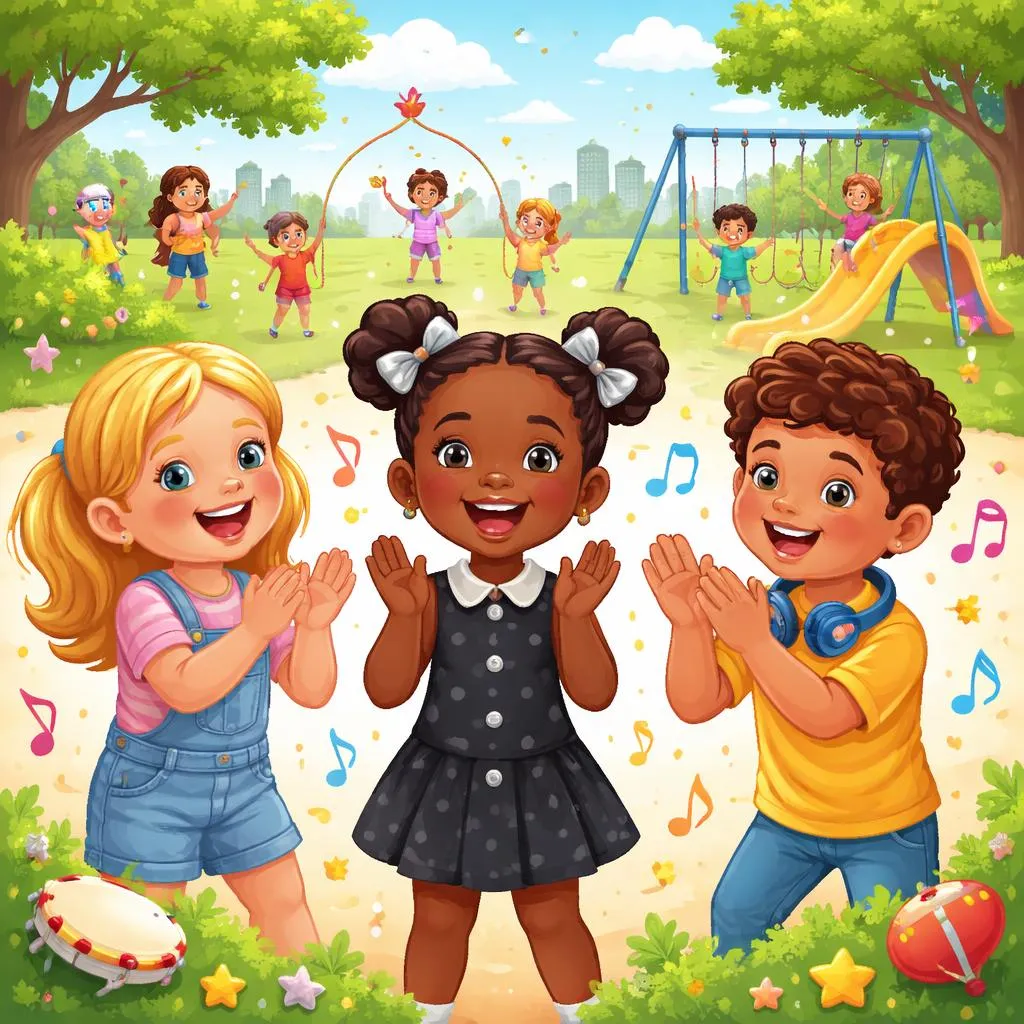
“miss mary mack words” belong to a classic English playground rhyme. It is often sung with hand clapping patterns. It is rhythmic, playful, and easy to remember.
This rhyme comes from oral tradition. It traveled through playgrounds and families for many years. It combines rhythm, storytelling, and repetition. It supports listening, speaking, and memory skills.
Songs like this work well in early English learning. They create strong sound patterns. They support natural language rhythm. They connect words with actions and emotions.
“miss mary mack words” also introduce storytelling. The rhyme describes Mary Mack, her clothes, and her family. It creates images and scenes in simple English.
The lyrics of nursery rhymes
Here is a common version of “miss mary mack words”:
Miss Mary Mack, Mack, Mack All dressed in black, black, black With silver buttons, buttons, buttons All down her back, back, back
She asked her mother, mother, mother For fifty cents, cents, cents To see the elephants, elephants, elephants Jump the fence, fence, fence
They jumped so high, high, high They reached the sky, sky, sky And they didn’t come back, back, back Till the Fourth of July, ly, ly
This version uses repetition. It uses rhythm and rhyme. It uses playful imagery. It uses simple sentence patterns.
The rhyme structure supports memory. The clapping pattern supports rhythm awareness. The melody supports pronunciation.
Vocabulary Learning
The rhyme introduces many useful words.
“dress” and “black” describe clothing. “buttons” describe clothing details. “back” describes body parts and direction.
“mother” introduces family vocabulary. “cents” introduces money concepts. “elephants” introduces animal vocabulary.
“fence” introduces common objects. “sky” introduces nature vocabulary. “July” introduces time and calendar words.
Each word connects with pictures. Each word connects with real-life objects. Each word supports thematic learning.
Clothing themes help with daily routine vocabulary. Family themes help with social language. Animal themes help with nature exploration.
Vocabulary grows naturally through rhythm and repetition.
Phonics Points
“miss mary mack words” support phonics awareness.
The short vowel sound in “Mack” supports vowel practice. The short vowel sound in “black” supports rhyme recognition.
The repeated “back” sound supports ending consonants. The repeated “fence” sound supports consonant blends.
The rhyme “high” and “sky” supports long vowel sounds. The rhythm highlights stressed syllables.
Clapping patterns align with syllables. This supports syllable awareness. This supports sound segmentation.
Songs teach phonics through sound patterns. They teach pronunciation through repetition. They teach rhythm through movement.
Grammar Patterns
The rhyme includes simple grammar structures.
“All dressed in black” introduces descriptive phrases. “With silver buttons” introduces prepositional phrases.
“She asked her mother” introduces past tense verbs. “To see the elephants” introduces infinitive purpose phrases.
“They jumped so high” introduces past tense again. “They reached the sky” introduces action verbs.
Grammar appears in natural context. Grammar appears in meaningful sentences. Grammar appears with rhythm and repetition.
This supports intuitive grammar learning.
Learning Activities
Hand clapping games support coordination. Clapping patterns support rhythm and timing. Movement connects language with motor skills.
Role-play can use the story. One role becomes Mary Mack. One role becomes the mother. One role becomes the elephants.
Drawing activities can show elephants and clothes. Story drawing supports comprehension. Creative drawing supports expressive language.
Echo singing supports pronunciation practice. Call-and-response supports listening and speaking.
Story retelling supports narrative skills. Simple questions support comprehension.
Printable Materials
Printable lyric sheets support reading practice. Picture cards support vocabulary matching. Clothing flashcards support thematic learning.
Animal flashcards support nature vocabulary. Time cards support calendar language.
Tracing worksheets support writing practice. Sentence strips support sequencing activities.
Coloring pages support fine motor skills. Matching worksheets support comprehension.
Printable materials support multisensory learning. They support visual learners. They support tactile learners.
Educational Games
Rhythm games use clapping patterns. Students clap and say the words. This builds timing and pronunciation.
Word matching games connect words and pictures. Memory games reinforce vocabulary.
Lyric ordering games support reading flow. Sentence scramble games support grammar awareness.
Role-play games support speaking confidence. Story games support imagination and narrative.
Movement games support physical learning. Music and movement support long-term memory.
Songs create joyful learning environments. They reduce anxiety. They increase engagement.
“miss mary mack words” offer rhythm, story, and language in one tool. They connect sound, meaning, and movement. They support listening, speaking, reading, and phonics. They bring culture and tradition into English learning.
Playground rhymes build confidence. They build language intuition. They build joyful learning experiences.