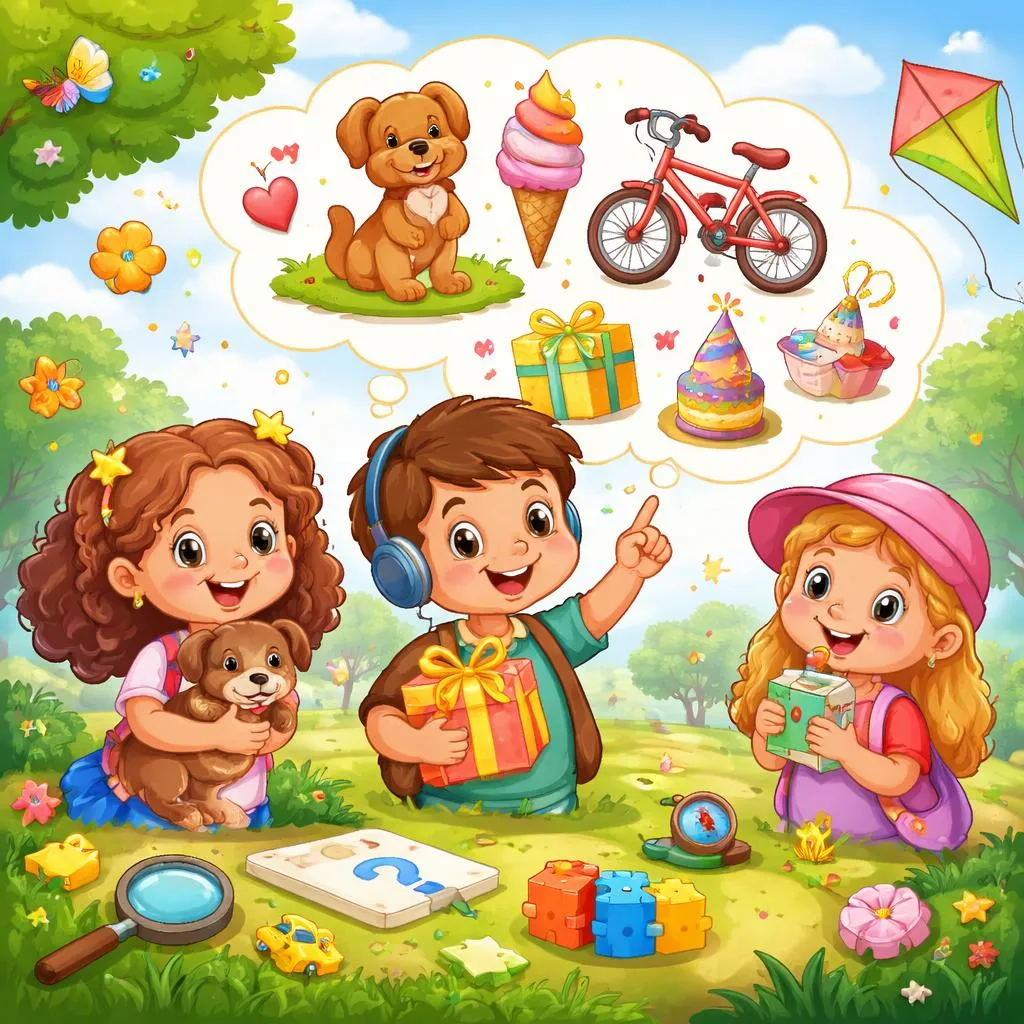

Meaning
The phrase to have meaning refers to the verb have and what it expresses in English. The verb have shows possession, experience, relationships, and actions. It is one of the most common verbs in English. It appears in daily conversations, stories, and songs.
In simple terms, have often means to own something or to experience something. For example, “I have a book.” For example, “We have fun.”
Understanding to have meaning helps build strong English sentences. It also helps with reading and speaking.
Conjugation
The verb have changes with different subjects and tenses. These changes are called conjugation. Conjugation helps sentences stay clear and correct.
In the present tense, the forms are have and has. In the past tense, the form is had. In the future tense, the form is will have.
These forms appear in stories, conversations, and classroom activities. Practicing these forms builds confidence in English.
Present tense
The present tense form of have depends on the subject. Use have with I, you, we, and they. Use has with he, she, and it.
Examples help explain this pattern.
“I have a pencil.” “You have a toy.” “We have a song.” “They have a game.”
“He has a hat.” “She has a pet.” “It has a tail.”
The present tense talks about now. It describes things that are true today.
The present tense is important for daily conversations.
Past tense
The past tense of have is had. It is the same for all subjects. This makes it easy to remember.
Examples show how had works.
“I had a snack.” “You had a lesson.” “We had a story time.” “They had a party.” “He had a bike.” “She had a doll.” “It had a name.”
The past tense talks about before now. It tells about yesterday, last week, or last year.
Stories often use had to describe events.
Future tense
The future tense uses will have. This form shows something that will happen later.
Examples make this clear.
“I will have a test tomorrow.” “You will have fun.” “We will have a trip.” “They will have a game.” “He will have a birthday party.” “She will have a new book.”
The future tense helps talk about plans and hopes. It is useful in daily conversations.
Questions
The verb have also appears in questions. Questions help start conversations.
In the present tense, use do or does.
“Do you have a pen?” “Do we have time?” “Does he have a cat?” “Does she have homework?”
In the past tense, use did.
“Did you have lunch?” “Did they have class?”
In the future tense, use will.
“Will you have a meeting?” “Will they have a show?”
Questions help practice speaking and listening.
Other uses
The verb have has many meanings beyond possession. This makes to have meaning rich and flexible.
Have for experiences “Have fun.” “Have a good day.” “Have a dream.”
Have for actions “Have breakfast.” “Have a nap.” “Have a lesson.”
Have for relationships “Have a friend.” “Have a teacher.” “Have a family.”
Have in phrases “Have to” means must. “I have to study.”
“Have got” also means possess. “I have got a toy.”
These uses appear in stories and daily speech. Understanding these patterns helps build natural sentences.
Daily life examples
The verb have appears in many daily situations.
In the morning: “I have breakfast.”
At school: “We have math class.”
After school: “They have soccer practice.”
At home: “She has a pet dog.”
In stories: “The hero had a magic key.”
These examples show how common the verb is. It connects language to real life.
Learning tips
Short sentences help build clarity. Repeating examples builds memory. Speaking aloud builds confidence. Listening to stories builds understanding.
Songs and chants with have make practice joyful. Picture cards support meaning. Acting out sentences builds memory.
Using have in daily conversations makes learning natural. Simple routines help language grow.
Educational games
Games make grammar fun and active.
A sentence-building game can use cards with subjects and have forms. A matching game can match pictures with sentences using have. A role-play game can use phrases like “Have a seat” or “Have fun.” A question game can ask and answer with “Do you have…?”
Games support speaking, listening, and reading. They also reduce stress and increase motivation.
Printable flashcards
Flashcards can show the forms of have.
One card shows have. One card shows has. One card shows had. One card shows will have.
Pictures can show actions like eating, playing, or studying. Words and pictures together build strong memory links.
Why understanding to have meaning matters
The verb have appears in almost every English lesson. It is a building block for sentences. It connects ideas, actions, and experiences.
Understanding to have meaning supports reading and writing. It helps express thoughts clearly. It also builds confidence in speaking.
The simplicity of have makes it ideal for early learners. Its many uses make it powerful for communication.
Extending learning through stories and songs
Stories often use have to describe characters and events. Songs use have to describe feelings and actions.
For example, a story may say, “The dragon had a treasure.” A song may say, “We have fun together.”
These contexts make grammar meaningful and memorable.
Building sentences with creativity
Creative sentences with have support imagination.
“I have a flying car.” “She has a rainbow dress.” “They have a magic school.”
Creative language practice increases motivation. It also connects grammar with storytelling.
Connecting have with other grammar topics
The verb have connects with many grammar topics.
It connects with nouns in possession. It connects with adjectives in descriptions. It connects with past and future tenses. It connects with question forms.
This makes have a central grammar tool.
Understanding to have meaning builds a strong foundation for English communication. Through clear examples, joyful practice, and meaningful contexts, the verb have becomes a friendly and powerful part of language learning.