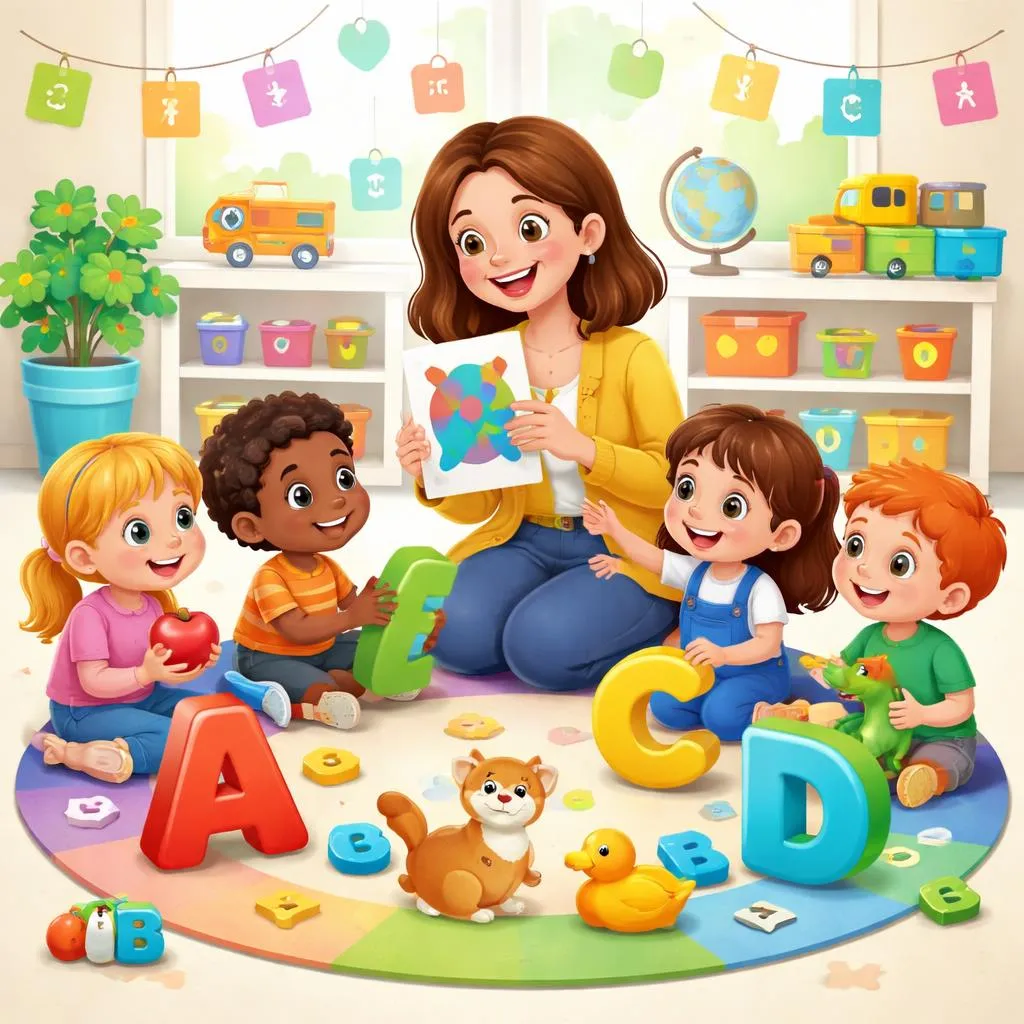

What is en alphabet?
The term en alphabet refers to the English alphabet system used in reading and writing. This system includes 26 letters. Each letter represents sounds that form words and sentences.
In teaching, the alphabet serves as the foundation of literacy. Understanding letter names and sounds supports reading, spelling, and pronunciation.
The topic en alphabet often appears in early language learning materials. It helps build confidence in decoding and encoding words.
Meaning and explanation
The en alphabet includes uppercase and lowercase letters. Uppercase letters appear at the beginning of sentences and in names. Lowercase letters appear in most words and texts.
Each letter has a name and one or more sounds. For example, the letter A can sound like /æ/ in “apple” or /eɪ/ in “cake.”
In structured lessons, letters connect to phonics patterns. Phonics teaches how letters and sounds work together.
The alphabet also supports handwriting skills. Writing letters strengthens fine motor development and memory.
Categories or lists
The en alphabet can be organized in several teaching categories.
Letters can be grouped into vowels and consonants. Vowels include A, E, I, O, U. Consonants include the remaining 21 letters.
Letters can also be grouped by sound patterns. Some letters share similar beginning sounds, such as B, D, and P. Some letters share similar ending sounds, such as F and S.
Another useful category includes letter shapes. Tall letters include b, d, h, k, l, and t. Short letters include a, c, e, m, n, o, r, s, u, v, w, x, z. Letters with tails include g, j, p, q, y.
This structure helps guide handwriting instruction and visual recognition.
Daily life examples
The en alphabet appears everywhere in daily life. Signs, books, menus, and digital screens use letters. Learning letters helps decode the world.
In class, simple examples support comprehension. “A is for apple.” “B is for ball.” “C is for cat.”
Daily routines also include alphabet practice. Writing names on notebooks reinforces letter recognition. Reading labels and classroom posters builds automaticity.
Teachers can connect letters with real objects. For example, pointing to a door for D or a window for W. This approach links language to environment and meaning.
Printable flashcards
Flashcards serve as effective tools for teaching the en alphabet. Each card can show a letter, a picture, and a sample word.
An A card may show an apple with the word “apple.” A B card may show a ball with the word “ball.” A C card may show a cat with the word “cat.”
Uppercase and lowercase letters can appear on the same card. This format supports visual pairing and recognition.
Teachers can use flashcards for recognition drills, matching games, and phonics practice. Printing flashcards in color enhances visual engagement.
Flashcards also support spaced repetition. Reviewing a few letters daily strengthens memory and recall.
Learning activities or games
The en alphabet allows many engaging classroom activities. Alphabet songs introduce letter order and rhythm. Singing helps store information in long-term memory.
Letter tracing activities develop writing skills. Tracing uppercase and lowercase letters improves motor coordination.
Sorting games encourage categorization. Learners can sort pictures by beginning letter sounds. For example, apple, ant, and axe belong under A.
Alphabet scavenger hunts connect learning to movement. Finding classroom objects that begin with certain letters builds phonemic awareness.
Story-based activities integrate literacy skills. A teacher can create a simple alphabet story. For example, “A is for Anna. B is for Ben. C is for cake.” This narrative approach builds contextual understanding.
Digital alphabet games provide interactive reinforcement. Apps and online tools can present letters with animations and sounds.
Craft activities also support alphabet learning. Creating letter collages with magazine cutouts reinforces letter recognition. Building letters with clay or blocks supports kinesthetic learning.
The en alphabet remains the core of early English literacy. When letters connect with sounds, images, and real-world contexts, learning becomes meaningful and memorable. Through structured instruction, interactive activities, and consistent review, the alphabet becomes a powerful gateway to reading and communication in English.