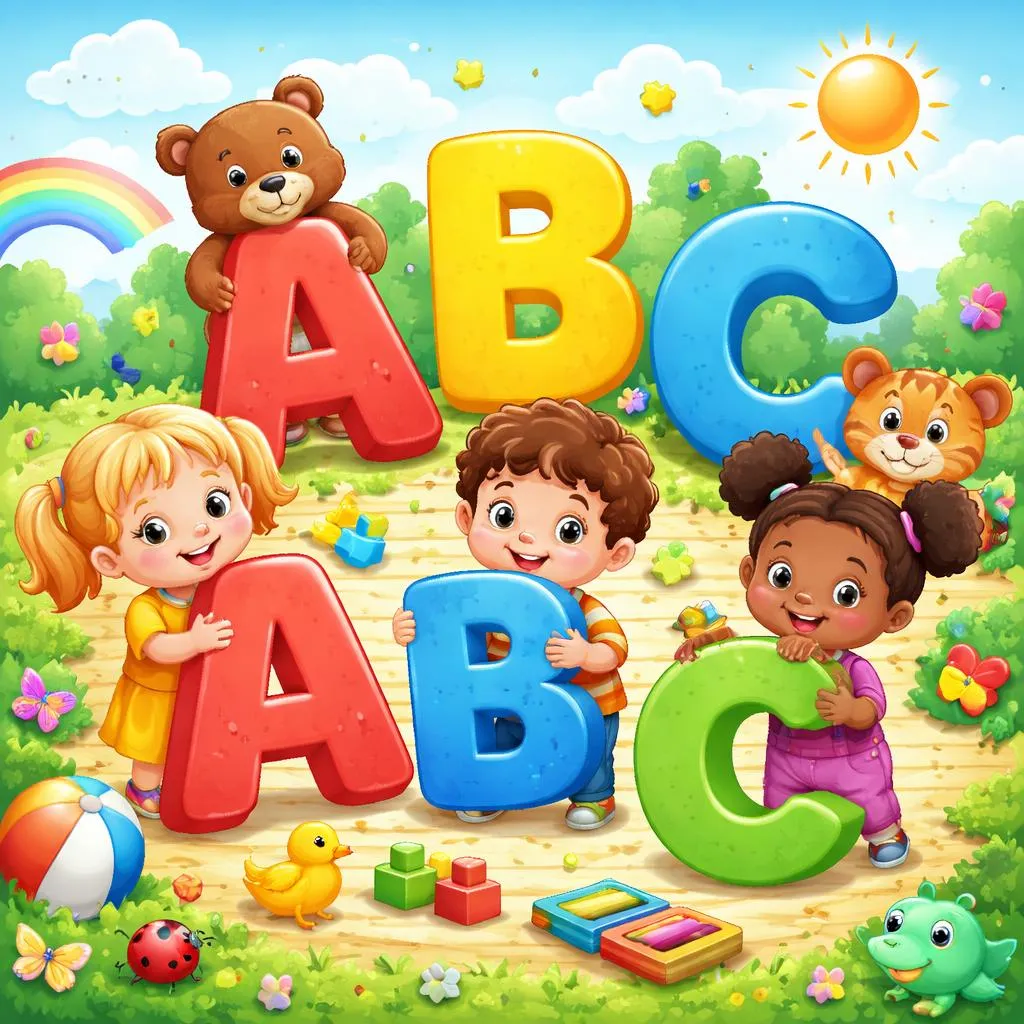

What Are English Letters? English letters are the building blocks of words. There are 26 letters in the English alphabet. Each letter has a sound.
Letters are used to make words.
The 26 English Letters The 26 letters are: A, B, C, D, E, F, G, H, I, J, K, L, M, N, O, P, Q, R, S, T, U, V, W, X, Y, Z. These letters make all the words in English.
The alphabet has 26 letters.
How to Write English Letters English letters are written in two forms: capital and small. For example, the capital letter “A” and the small letter “a.” Both are important for writing.
Writing letters is fun.
A to Z: The Letters in Order The letters of the alphabet go in a special order. A comes first, and Z comes last. Learning the order helps us remember the letters.
The alphabet follows a pattern.
Capital and Small Letters Capital letters are used at the beginning of sentences. Small letters are used in the middle or end of words. For example, “apple” starts with a small “a,” but “Apple” starts with a capital “A.”
Both forms are used in writing.
The Sounds of English Letters Each English letter has a sound. For example, “A” sounds like “ay.” The sound of each letter helps make words.
Learning letter sounds is important.
Vowels and Consonants In English, there are 5 vowels: A, E, I, O, U. The other letters are consonants. Vowels help us make many different sounds in words.
Vowels are very important.
Learning the Alphabet Song A fun way to learn the English alphabet is by singing the alphabet song. It goes like this: “A, B, C, D, E, F, G…” The song helps you remember the letters in order.
Songs help with memory.
Letters and Words We use English letters to make words. For example, the word “cat” is made with the letters C, A, and T. Words are made by combining letters in different ways.
Letters create words.
How to Practice Writing Letters To practice writing letters, use paper and a pencil. Start with writing your name. Then try writing the alphabet.
Practice makes perfect.
Recognizing Letters Recognizing letters is an important skill. Look at letters and say their names aloud. For example, say “A” and “B” out loud when you see them.
Recognition helps with learning.
Letters in Our Everyday Life We see letters everywhere. They are in books, on signs, and in emails. Reading letters is a part of daily life.
Letters are all around us.
Fun with English Letters You can have fun with letters! Play games like matching letters. Or draw pictures of letters.
Learning can be fun!
Using Letters in Sentences We use letters to make sentences. For example, “I like apples.” This sentence uses many letters.
Letters build sentences.
Learning the Alphabet for Reading Knowing the alphabet helps you read. When you know the letters and their sounds, you can read words. For example, “cat” is a word made of letters.
Letters help with reading.
Learning the Alphabet for Writing Knowing how to write letters helps you write words. You can write your name or write a letter to someone. Writing letters helps with spelling.
Writing is fun with letters.
Uppercase and Lowercase Letters Each letter has an uppercase (capital) and lowercase (small) form. For example, “B” is uppercase and “b” is lowercase. Both forms are important in writing.
Uppercase and lowercase are both used.
Alphabet Activities for Kids There are many fun ways to practice letters. You can trace letters with your finger. You can also draw letters with chalk outside.
Fun activities make learning easier.
Learning Letters with Flashcards Flashcards are a great way to learn letters. On one side, write the letter. On the other side, write a word that starts with that letter.
Flashcards help you remember.
Letters and Colors You can color in letters to make them more fun. For example, color the letter “A” red, and the letter “B” blue. This makes learning more exciting.
Coloring letters is fun.
Letters and Shapes Each letter has a shape. The letter “A” is shaped like a triangle. The letter “O” is round.
Understanding letter shapes helps.
How Letters Form Words When letters come together, they make words. For example, “dog” is made up of the letters D, O, and G. Each letter makes a different sound, and together they form a word.
Letters work together to make words.
The Importance of Learning Letters Learning letters is the first step in learning to read and write. Once you know your letters, you can start to read simple words. You can also write your own words and sentences.
Learning letters is the foundation of language.
: Mastering English Letters The 26 letters of the alphabet are the key to reading and writing. By learning the letters, you can build words and sentences. Keep practicing, and soon you’ll be able to read and write with ease!
Mastering letters is the first step to learning.
Recognizing Letters in Words Once you know your letters, you can recognize them in words. For example, the word “dog” has the letters D, O, and G. Each letter makes a sound, and together they make the word.
Recognizing letters in words is important for reading.
Learning to Write Each Letter Writing each letter takes practice. Start by tracing each letter. Then, try writing it on your own.
Practice makes perfect.
Writing Letters on Paper When writing letters on paper, be careful with spacing. Make sure to write neatly. Start with big letters, then try smaller ones.
Good handwriting comes with practice.
Using Letters in Sentences Once you know your letters, you can start writing sentences. For example, “The cat runs.” Each sentence uses many letters to make words.
Writing sentences shows your progress.
Building Vocabulary with Letters Knowing your letters helps you build vocabulary. You can start with simple words like “cat” or “dog.” As you learn more letters, you can form longer words.
Building vocabulary is fun with letters.
Matching Letters with Pictures A fun way to learn letters is by matching them with pictures. For example, match the letter “A” with an apple. This helps connect letters with real objects.
Matching letters and pictures is fun and helpful.
Learning to Spell with Letters Learning letters also helps with spelling. Start by spelling simple words like “cat” or “sun.” Then, you can move on to harder words.
Spelling becomes easier with practice.
Playing Games with Letters You can play fun games to learn letters. For example, try the game of memory with letter cards. You can also play letter scavenger hunts.
Games make learning fun.
Learning the Alphabet Song Again Singing the alphabet song is a great way to practice. Sing it every day, and soon you’ll know all the letters. The song helps you remember the order of the letters.
Songs help with memory.
Letter Tracing Practice You can practice tracing letters on paper. Use a pencil or crayon to follow the dotted lines. This will help you learn how to form each letter.
Tracing helps with writing skills.
Using Alphabet Blocks Alphabet blocks are a great tool for learning letters. You can build words and practice spelling. Play with the blocks to make different words.
Blocks make learning fun.
Learning Uppercase and Lowercase Letters Uppercase letters are big letters, like “A.” Lowercase letters are small letters, like “a.” Both types of letters are used in writing.
Uppercase and lowercase letters are both important.
Learning Letters in a Fun Way Learning letters can be fun! You can make it a game, like finding objects that start with the same letter. For example, find something that starts with the letter “B,” like a ball.
Learning through play makes it exciting.
Creating Letter Crafts You can make letter crafts to learn. For example, create a letter “A” out of paper or playdough. This is a fun way to remember how each letter looks.
Crafting letters is creative.
Using Letters to Form Words Once you know the letters, you can start making words. For example, use the letters “c,” “a,” and “t” to form the word “cat.” Then try to make longer words as you learn more letters.
Making words with letters is exciting.
Reading Simple Books with Letters When you know your letters, you can start reading simple books. Books often have pictures and easy words to practice. For example, “The dog runs” is a simple sentence to read.
Reading with letters is the next step.
Playing Letter Matching Games There are many games that help you match letters. You can play with flashcards or use apps that show letters and words. Letter matching helps with recognition.
Matching helps with learning.
Writing Letters with a Friend Practice writing letters with a friend or family member. Take turns writing the letters. This helps you learn and have fun at the same time.
Learning is better with friends.
Learning to Write Your Name Your name is a great place to start practicing writing letters. Write your name on a piece of paper. This helps you remember the letters in your name.
Writing your name is an important skill.
Recognizing Letters in Books When you read books, look for the letters you’ve learned. Point out letters in each word. This helps you recognize letters in real reading.
Reading with letter recognition is important.
The Alphabet in Daily Life You see the alphabet everywhere! It’s on signs, labels, books, and toys. Look around and try to spot the letters you’ve learned.
The alphabet is all around you.
Drawing Letters and Shapes You can draw letters in fun ways. For example, use chalk to draw letters on the sidewalk. You can also make letters with different shapes, like circles and squares.
Drawing letters is fun and creative.
Learning Letters and Sound Each letter makes a sound. For example, “A” sounds like “ah.” When you learn the letter sounds, you can read and speak better.
Sound and letters go together.
Alphabet Games to Play Play games to learn the alphabet. For example, try to find things around the house that start with each letter. Or you can play a matching game with alphabet cards.
Games make the alphabet fun.
Using Letters to Write a Story Once you know your letters, you can write stories. Start by writing simple sentences, like “The dog runs.” As you learn more letters, you can write more exciting stories.
Writing stories helps you practice letters.
Fun with Alphabet Apps There are many apps that teach the alphabet. You can play games and watch videos that teach letters. These apps make learning letters fun and interactive.
Apps make learning easy.
Letter Recognition in Songs There are many songs that teach the alphabet. Singing along helps you remember the letters. It’s a fun way to learn while enjoying music.
Songs help you remember the alphabet.
: Mastering Letters Learning letters is the first step in learning to read and write. Practice writing, recognizing, and using letters every day. Soon, you’ll be able to read and write with ease!
Mastering letters makes learning easy and fun.