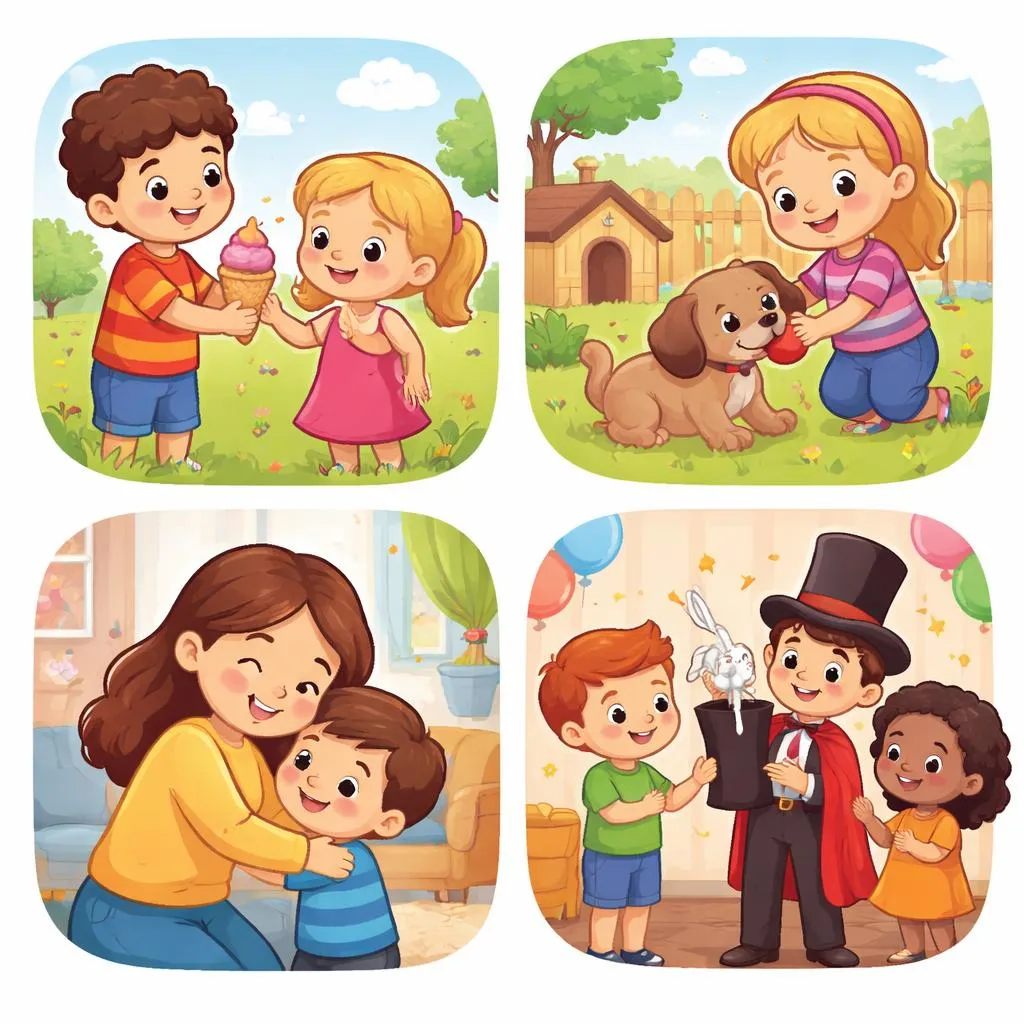

What Is an Object Pronoun An object pronoun is a word. It replaces a noun. It comes after a verb.
Object pronouns receive the action.
Why Children Learn Object Pronouns Object pronouns make sentences shorter. They avoid repeating names. They help language sound natural.
Children hear them every day.
Common Object Pronouns Common object pronouns are me, you, him, her, it, us, and them. These words are small. They are very important.
Object Pronoun Me Me is an object pronoun. It talks about the speaker.
She helps me. The teacher calls me.
Me comes after the verb.
Object Pronoun You You can be an object pronoun. It talks about the listener.
I see you. We help you.
The word stays the same.
Object Pronoun Him Him talks about a boy or a man.
I see him. She helps him.
The action goes to him.
Object Pronoun Her Her talks about a girl or a woman.
I like her. We call her.
Her receives the action.
Object Pronoun It It talks about a thing or an animal.
I see it. She finds it.
It replaces the noun.
Object Pronoun Us Us talks about more than one person.
They help us. The teacher calls us.
Us includes the speaker.
Object Pronoun Them Them talks about many people or things.
I see them. She helps them.
Them replaces many nouns.
Object Pronouns in Simple Sentences Simple sentences help learning.
I see her. She likes him. They help us.
Short sentences feel safe.
Object Pronouns with Daily Actions Daily actions use object pronouns.
Mom calls me. Dad helps her. The dog follows them.
Daily language supports memory.
Object Pronouns at School School talk includes pronouns.
The teacher helps us. She calls him. They ask her.
Classroom language feels real.
Object Pronouns with Friends Friends use pronouns often.
I like you. They invite me. We help them.
Friendship language feels natural.
Object Pronouns with Family Family words repeat often.
Mom hugs me. I love her. Dad helps us.
Familiar topics help learning.
Object Pronouns in Questions Questions can include object pronouns.
Do you see me. Can you help her.
Questions invite answers.
Object Pronouns in Answers Answers stay short.
Yes, I see you. No, I do not like it.
Repetition supports learning.
Object Pronouns and Verbs Object pronouns follow verbs.
See me. Help her. Find it.
Position matters.
Object Pronouns and Meaning Object pronouns show who gets the action. They clarify meaning. They avoid confusion.
Small words matter.
Object Pronouns in Listening Children hear pronouns first. They hear them in stories. They hear them in talk.
Listening builds awareness.
Object Pronouns in Speaking Children try using pronouns. They speak slowly. Practice builds confidence.
Trying matters most.
Object Pronouns in Reading Books show object pronouns often. Children recognize them. Recognition feels good.
Reading builds fluency.
Object Pronouns in Writing Writing comes later. Children copy short sentences.
I like her. She sees me.
Writing grows step by step.
Object Pronouns and Common Mistakes Children may mix pronouns. This is normal. Teachers guide gently.
Calm correction helps learning.
Object Pronouns and Comparison He is a subject pronoun. Him is an object pronoun.
He sees her. She sees him.
Comparing builds understanding.
Object Pronouns in Stories Stories use pronouns naturally. Characters talk about others. Pronouns keep stories smooth.
Stories support learning.
Object Pronouns and Practice Practice repeats examples. Short practice works best. Daily use helps memory.
Slow learning lasts longer.
Example for Object Pronoun Review Object pronouns receive action. They follow verbs. They replace nouns.
Examples make meaning clear.
Example for Object Pronoun for Children Children learn with short sentences. Real examples help. Familiar topics support memory.
Learning stays calm. Progress feels steady. Confidence grows naturally.
Object Pronouns in Very Easy Practice Practice starts small. One sentence is enough.
I see him. She likes it. They help us.
Small steps feel safe.
Object Pronouns with Names Names can be replaced.
I see Tom. I see him.
She likes Anna. She likes her.
Replacing names avoids repetition.
Object Pronouns with Things Things also use object pronouns.
I have a ball. I have it.
She finds the book. She finds it.
It replaces the thing.
Object Pronouns with Animals Animals can use pronouns too.
I see the dog. I see it.
She feeds the cat. She feeds it.
Animals feel familiar.
Object Pronouns with Two Sentences Two sentences can connect.
This is my friend. I like her.
That is my teacher. We see him.
Connections feel natural.
Object Pronouns with Daily Routines Daily routines repeat language.
Mom wakes me. Dad drives us. The teacher helps them.
Routine language stays strong.
Object Pronouns in Morning Talk Morning talk feels simple.
Mom calls me. I see her. She helps us.
Morning words repeat daily.
Object Pronouns in Play Time Play time includes action.
I see you. You follow me. They join us.
Play language feels real.
Object Pronouns in Sharing Sharing uses pronouns.
I give it to her. She gives it to me.
Giving and receiving feel clear.
Object Pronouns with Giving Verbs Giving verbs use objects.
Give me the book. She gives him a pen.
The action moves to someone.
Object Pronouns with Helping Verbs Helping verbs support pronouns.
I can see her. She will help me.
Helpers and pronouns work together.
Object Pronouns in Polite Language Polite language uses pronouns.
Please help me. Thank you for helping us.
Politeness feels kind.
Object Pronouns in Questions and Answers Questions repeat patterns.
Do you see him. Yes, I see him.
Can you help us. Yes, I can help you.
Answers support confidence.
Object Pronouns with Not Negative sentences include pronouns.
I do not see it. She does not like him.
Negative meaning stays clear.
Object Pronouns with Can Ability verbs include pronouns.
I can see you. She can help me.
Ability feels positive.
Object Pronouns with Must Rules include pronouns.
You must help them. We must follow it.
Rules feel clear.
Object Pronouns with Should Advice uses pronouns.
You should help her. We should listen to them.
Advice sounds gentle.
Object Pronouns in Classroom Instructions Teachers use pronouns.
Listen to me. Follow me. Look at it.
Clear instructions support learning.
Object Pronouns in Group Work Group work includes pronouns.
Help them. Work with us. Join them.
Team language matters.
Object Pronouns in Story Reading Stories repeat pronouns.
The boy sees the dog. He follows it.
The girl meets a friend. She likes her.
Stories feel smooth.
Object Pronouns and Reading Flow Pronouns help reading flow. They avoid long names. They keep sentences short.
Flow supports understanding.
Object Pronouns and Listening Practice Children hear pronouns often. They hear them in talk. They hear them in stories.
Hearing builds awareness.
Object Pronouns and Speaking Practice Speaking grows slowly.
I see her. She sees me.
Repeating builds confidence.
Object Pronouns and Writing Practice Writing starts simple.
I like him. They help us.
Copying feels safe.
Object Pronouns and Common Confusion Children may say her for she. This is normal. Teachers guide calmly.
Learning takes time.
Object Pronouns and Gentle Correction Correction is gentle. One sentence at a time. Praise effort first.
Confidence matters.
Object Pronouns and Comparison Review Subject and object differ.
He helps me. I help him.
Seeing both helps understanding.
Object Pronouns and Games Games use short commands.
Find it. Give it to me. Show them.
Games reduce pressure.
Object Pronouns and Role Play Role play feels safe.
You call me. I answer you.
Pretend play supports speaking.
Object Pronouns and Daily Review Daily review helps memory.
I see her. She sees me.
Repetition works.
Object Pronouns in Real Life Talk Real talk includes pronouns.
Mom helps me. Friends invite us. Teachers guide them.
Real use matters.
Object Pronouns and Confidence Using pronouns feels natural. Children feel fluent. They feel understood.
Confidence grows.
Object Pronouns and Language Growth Small words build strong sentences. Strong sentences build communication. Communication builds confidence.
Growth feels natural.
Example for Object Pronoun Long Review Object pronouns receive action. They follow verbs. They replace nouns.
Examples show meaning clearly.
Example for Object Pronoun for Young Learners Young learners need clarity. Short sentences work best. Familiar topics help memory.
Learning stays calm.
Example for Object Pronoun Final Extension Children use object pronouns daily. They hear them. They speak them. They read them.
Language grows step by step. Confidence grows naturally. Learning continues smoothly.