
Meaning
The phrase have not is a negative form of the verb have. It shows that something does not exist, does not happen, or does not belong. The phrase have not often appears in books, lessons, and conversations.
In daily English, have not often becomes haven’t in speaking and writing. Both forms share the same meaning.
Examples make the meaning clear. “I have not a pencil.” “I have not finished.”
The negative form adds a new idea to a sentence. It changes a positive sentence into a negative one.
Understanding have not builds strong grammar skills. It helps express ideas with accuracy and clarity.
Conjugation
The verb have changes with subjects and tenses. The negative form also changes with tense.
In the present tense, use have not or has not. In the past tense, use had not. In the future tense, use will not have.
Conjugation helps sentences stay clear and correct. It also supports reading and speaking skills.
Present tense
In the present tense, have not becomes have not or has not. The subject decides which form to use.
Use have not with I, you, we, and they. Use has not with he, she, and it.
Examples show this pattern.
“I have not a pen.” “You have not a snack.” “We have not time.” “They have not tickets.”
“He has not a hat.” “She has not a pet.” “It has not a name.”
The present tense describes now. It talks about things that are true today.
The contracted forms haven’t and hasn’t appear often in stories and speech. “I haven’t a clue.” “She hasn’t a doll.”
Past tense
The past tense uses had not. It stays the same for all subjects.
Examples make this easy to understand.
“I had not a book.” “You had not a toy.” “We had not a lesson.” “They had not a party.” “He had not a bike.” “She had not a dress.”
The contracted form hadn’t is common in spoken English.
The past tense talks about before now. It describes yesterday, last week, or long ago.
Future tense
The future tense uses will not have. This form shows something that will not happen later.
Examples support understanding.
“I will not have a test tomorrow.” “You will not have homework.” “We will not have class.” “They will not have a trip.” “He will not have a meeting.” “She will not have a show.”
The contracted form won’t have appears in daily speech.
The future tense helps express plans, predictions, and promises.
Questions
The phrase have not also appears in questions. Questions help start conversations and check understanding.
In the present tense, use do or does.
“Do you have not time?” “Does he have not a pencil?”
In spoken English, these sentences often change to more natural forms. “Do you not have time?” “Does he not have a pencil?”
In the past tense, use did.
“Did you have not a book?”
In the future tense, use will.
“Will you not have a test?”
Questions with have not sound formal. They often appear in books and formal lessons.
Other uses
The phrase have not has many uses beyond possession. It can describe experiences, actions, and states.
Have not for experiences “Have not fun” shows a negative experience. “They have not a good day.”
Have not for actions “Have not breakfast.” “Have not a nap.”
Have not in phrases “Have not to” appears in older or formal English. “Have not got” also shows possession.
Modern English often prefers do not have instead of have not in casual speech. Still, have not appears in literature, songs, and formal writing.
Daily life examples
The phrase have not appears in many daily contexts.
In school: “We have not math today.”
In stories: “The knight had not a sword.”
In conversations: “They have not a plan.”
In writing: “She has not a reason.”
These examples connect grammar with real situations. They make language meaningful and practical.
Learning tips
Short sentences support understanding. Repeating examples strengthens memory. Reading aloud builds confidence. Listening to stories builds comprehension.
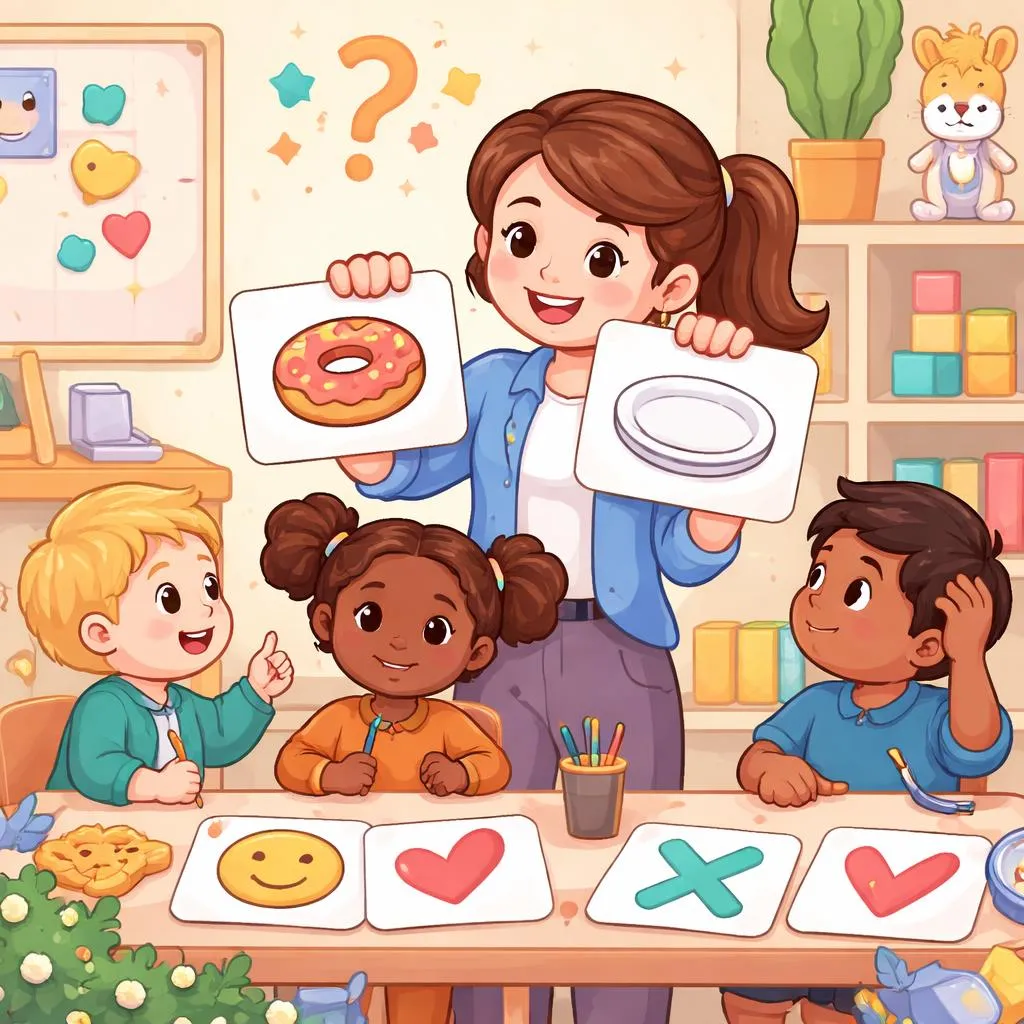
Picture cards with positive and negative sentences help show contrast. Sentence frames support structured practice.
Creative sentences with have not support imagination. “The dragon had not wings.” “The robot has not a heart.”
Daily practice with simple sentences builds strong grammar habits.
Educational games
Games make grammar lively and engaging.
A sentence sorting game can use cards with have and have not. A role-play game can use daily phrases with negative forms. A storytelling game can create tales with had not and will not have. A question game can practice forms like “Do you have not…?” and “Will you not have…?”
Games encourage speaking, listening, and reading. They also reduce stress and increase motivation.
Printable flashcards
Flashcards can show negative forms of have.
One card shows have not. One card shows has not. One card shows had not. One card shows will not have.
Pictures can show missing objects or actions. Words and pictures together support memory and comprehension.
Connecting have not with other grammar topics
The phrase have not connects with many grammar areas.
It connects with present tense and past tense. It connects with future tense and modal verbs. It connects with contractions like haven’t, hasn’t, and hadn’t. It connects with question forms and negative sentences.
Understanding these connections builds a strong grammar foundation.
Creative sentence building
Creative language practice supports imagination and confidence.
“I have not a flying car.” “She has not a magic wand.” “They will not have a secret map.”
Stories with negative sentences help show contrast and drama. They also make grammar meaningful and fun.
Using have not in reading and writing
Books often use have not in formal or poetic style. Classic stories and poems use this form to create rhythm and tone.
Writing exercises with have not help develop style. Short stories with had not create suspense. Future stories with will not have create predictions.
Understanding have not supports reading comprehension and writing skills.
The phrase have not adds depth and precision to English sentences. It helps express absence, contrast, and emotion. With clear explanations, meaningful examples, and joyful practice, negative forms become a natural part of English communication.