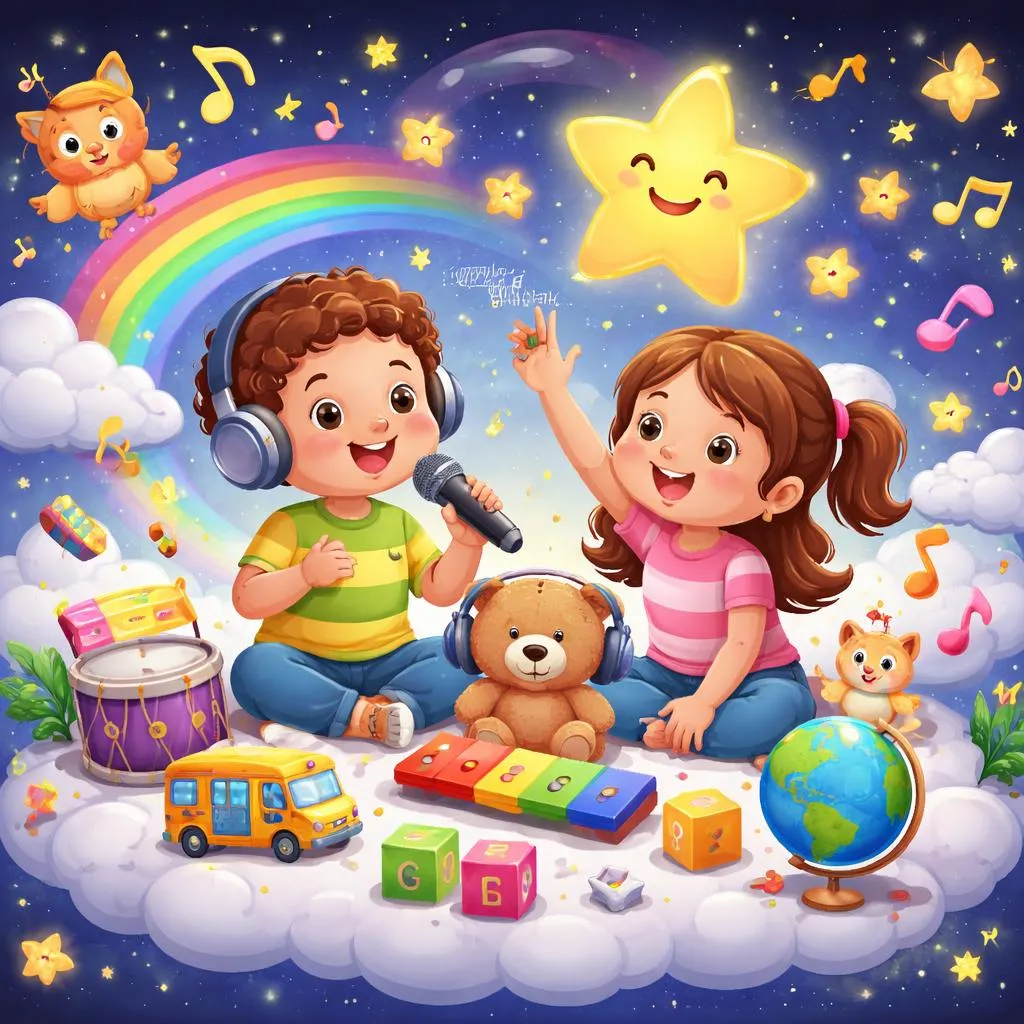

What Is “twinkle twikle”?
The keyword twinkle twikle often appears when searching for the famous nursery rhyme “Twinkle, Twinkle, Little Star.” The phrase refers to a classic English song that introduces rhythm, rhyme, and early vocabulary. This rhyme appears in classrooms, homes, and learning apps around the world.
Songs like this support early listening skills. Simple lyrics help build confidence in English sounds. Repetition makes language patterns easy to remember.
What Is the Rhyme “Twinkle, Twinkle, Little Star”?
“Twinkle, Twinkle, Little Star” is a traditional English nursery rhyme. The rhyme describes a shining star in the night sky. It connects music, imagination, and early science ideas.
The melody comes from an old French tune. The lyrics come from a poem written in the 19th century. The song has stayed popular for many generations.
This rhyme creates calm and curiosity. It fits bedtime routines and classroom circle time.
The lyrics of nursery rhymes: Twinkle, Twinkle, Little Star
Twinkle, twinkle, little star, How I wonder what you are. Up above the world so high, Like a diamond in the sky.
When the blazing sun is gone, When he nothing shines upon, Then you show your little light, Twinkle, twinkle, all the night.
Then the traveler in the dark, Thanks you for your tiny spark. He could not see which way to go, If you did not twinkle so.
In the dark blue sky you keep, Often through my curtains peep, For you never shut your eye, Till the sun is in the sky.
As your bright and tiny spark, Lights the traveler in the dark, Though I know not what you are, Twinkle, twinkle, little star.
These lyrics show repetition and imagery. They describe the sky, night, light, and wonder.
Vocabulary Learning from twinkle twikle
This rhyme introduces key English words in a natural way. Words like star, sky, night, sun, light, and diamond appear in context.
The word twinkle describes a shining light. The word wonder expresses curiosity. The word traveler introduces a person on a journey.
These words connect language with real-world concepts. Pictures of stars and skies help build meaning.
Short phrases such as “up above” and “in the dark” show spatial ideas. These phrases support early comprehension of prepositions.
Phonics Points in twinkle twikle
This rhyme supports phonics development. The repeated /t/ sound in twinkle builds consonant awareness. The long vowel sounds in star and sky support vowel practice.
Rhyming pairs like star and are, high and sky, light and night appear often. Rhymes help learners predict sounds and recognize word patterns.
Syllable practice fits well with the melody. Twin-kle, lit-tle, tra-vel-er, di-a-mond. Clapping syllables improves phonemic awareness.
Grammar Patterns in the Rhyme
Simple present tense appears in many lines. “You are,” “you keep,” and “you show” describe ongoing actions.
Questions appear in “How I wonder what you are.” This line models question structure and curiosity language.
Similes appear in “Like a diamond in the sky.” This introduces figurative language in a gentle way.
The rhyme also uses time expressions like night and sun. These words help connect language with daily cycles.
Meaning and Explanation of the Song
The song describes a small star shining in the night sky. It expresses curiosity about what the star is. It shows how the star helps travelers see in the dark.
The star symbolizes guidance and beauty. The calm rhythm creates a peaceful mood. This mood supports listening and emotional learning.
The imagery encourages imagination and observation. Looking at the night sky becomes a language learning moment.
Daily Life Examples Related to twinkle twikle
Stars appear in stories, science lessons, and bedtime routines. Looking at the sky during evening walks connects real experience with language.
Drawing stars and skies supports art and vocabulary learning. Counting stars supports math integration.
Talking about day and night connects science and language. This cross-curricular approach deepens understanding.
Printable Flashcards for This Rhyme
Flashcards can include star, sky, night, sun, diamond, traveler, and light. Pictures next to words support early reading.
Sentence flashcards can show simple patterns. For example: “The star is bright.” These cards help connect words with grammar.
Large-print cards support classroom display and group practice.
Learning Activities Based on twinkle twikle
Singing activities help with pronunciation and rhythm. Slow singing followed by normal tempo builds confidence.
Gesture activities connect actions with words. Pointing up for sky and closing eyes for night creates meaning.
Drawing and coloring stars and night scenes integrate art and language. Storytelling activities can extend the rhyme with new verses.
Role-play can include a traveler looking at the star. This supports speaking and imagination.
Printable Materials for Classroom and Home
Lyric sheets with big fonts help early readers. Tracing worksheets support writing and spelling.
Matching worksheets connect words with pictures. Sequencing worksheets order lines from the song.
Mini books with star illustrations encourage independent reading.
Educational Games with twinkle twikle
Memory games match words and images. Rhyming games identify words that sound alike.
Listening games ask learners to clap when hearing star or night. Board games can include questions about the sky and the song.
Digital quizzes can check vocabulary and comprehension.
Integrating the Rhyme into Language Lessons
Listening lessons can focus on key words and rhymes. Speaking lessons can focus on singing and repeating lines.
Reading lessons can focus on recognizing sight words. Writing lessons can include simple sentences about stars and night.
This balanced approach supports all language skills.
Cross-Curricular Connections
Science lessons can explore stars and space. Art lessons can create night sky paintings. Music lessons can explore melody and rhythm.
Math lessons can count stars or beats in the song. Geography lessons can discuss night and day around the world.
These connections enrich the learning experience.
Teaching Tips for Parents and Teachers
Clear pronunciation models correct sounds. Slow pacing supports comprehension.
Visual aids like star charts and night sky photos support meaning. Gestures and facial expressions add clarity.
Echo reading and echo singing build confidence. Positive feedback encourages participation.
Assessment and Progress Monitoring
Listening checks can identify words and rhymes. Speaking checks can evaluate pronunciation and fluency.
Reading checks can identify sight words from the lyrics. Writing checks can include short descriptive sentences.
Creative projects can show understanding and expression.
Cultural and Emotional Value of the Song
“Twinkle, Twinkle, Little Star” appears in many cultures. It often serves as a lullaby and classroom song.
The calm tone supports emotional regulation. Singing together builds community and connection.
The song introduces poetry and imagination in early childhood.
Using Technology with twinkle twikle
Animated videos show stars and night skies. Karaoke tracks support pronunciation practice.
Interactive apps provide rhythm and vocabulary games. Recording tools allow self-listening and improvement.
Extending Learning Beyond the Song
Creative writing can add new verses about the moon or planets. Science projects can explore constellations.
Family interviews can explore bedtime songs across cultures. Class projects can create a star-themed storybook.
Building Confidence Through Performance
Classroom performances strengthen speaking and social skills. Small group singing reduces anxiety and increases participation.
Sharing performances with families celebrates learning and progress.
“twinkle twikle” connects language, music, and imagination. Songs like this create joyful pathways to English learning. Rhythm, repetition, and imagery guide early learners toward strong listening, speaking, reading, and creative expression.