Meaning of “Have” The word “have” is a verb used to show possession, experience, or actions. It appears in many sentences every day. “Have” can describe things someone owns: “I have a ball.” It can also show actions or experiences: “I have breakfast” or “I have fun.” Understanding “have” helps build clear sentences and communication skills. Conjugation of “Have” “Have” changes depending on the subject and tense. It is one of the most common verbs in English. The basic forms include: • Base form: have • Third person singular: has • Past tense: had • Past participle: had • Present participle: having These forms appear in many everyday sentences and activities. Present Tense of “Have” The present tense shows what someone owns or does regularly. Examples include: • I have a toy. • You have a pencil. • He has a dog. • She has a book. • We have lunch at noon. • They have fun at school. Using “have” in the present tense helps describe current situations. Past Tense of “Have” The past tense “had” shows possession or actions in the past. It helps tell stories about things that already happened. Examples include: • I had a red ball yesterday. • She had breakfast this morning. • They had a party last week. • We had fun at the park. Past tense makes stories and conversations clear and easy to follow. Future Tense of “Have” “Have” can also show actions or possession in the future. The form “will have” is used. Examples include: • I will have a sandwich for lunch. • She will have a new book tomorrow. • They will have a fun day at school. Future tense helps talk about plans, events, and things to come. Questions with “Have” “Have” is used in questions to ask about possession or experiences. The word order often changes. Examples include: • Do you have a pencil? • Does he have a pet? • Have they finished their homework? • Have we met before? Asking questions with “have” helps get information and start conversations. Other Uses of “Have” “Have” combines with other words to show actions or needs. • Have to: shows obligation – “I have to clean my room.” • Have got: shows possession – “I have got a bike.” • Have + noun: shows experiences – “We have a party today.” Learning these uses helps speak naturally in English. Learning Tips for “Have” Practice short sentences with “have” every day. Use objects or pictures to show what is owned or done. Make simple questions and answers: “Do you have…?” “Yes, I do.” Combine “have” with “to” or “got” for new sentence patterns. Educational Games for “Have” Object hunt: Find objects in the room and say, “I have a …” Picture match: Match pictures with sentences using “have” Story building: Create a story using “have” in past, present, and future Question game: Ask friends questions with “Have you…?” Games make learning “have” fun and easy to remember. Understanding the verb “have” builds strong English skills. Using it in daily sentences, questions, and games makes learning natural and enjoyable. Practicing “have” with objects, stories, and activities helps children speak, read, and write clearly.
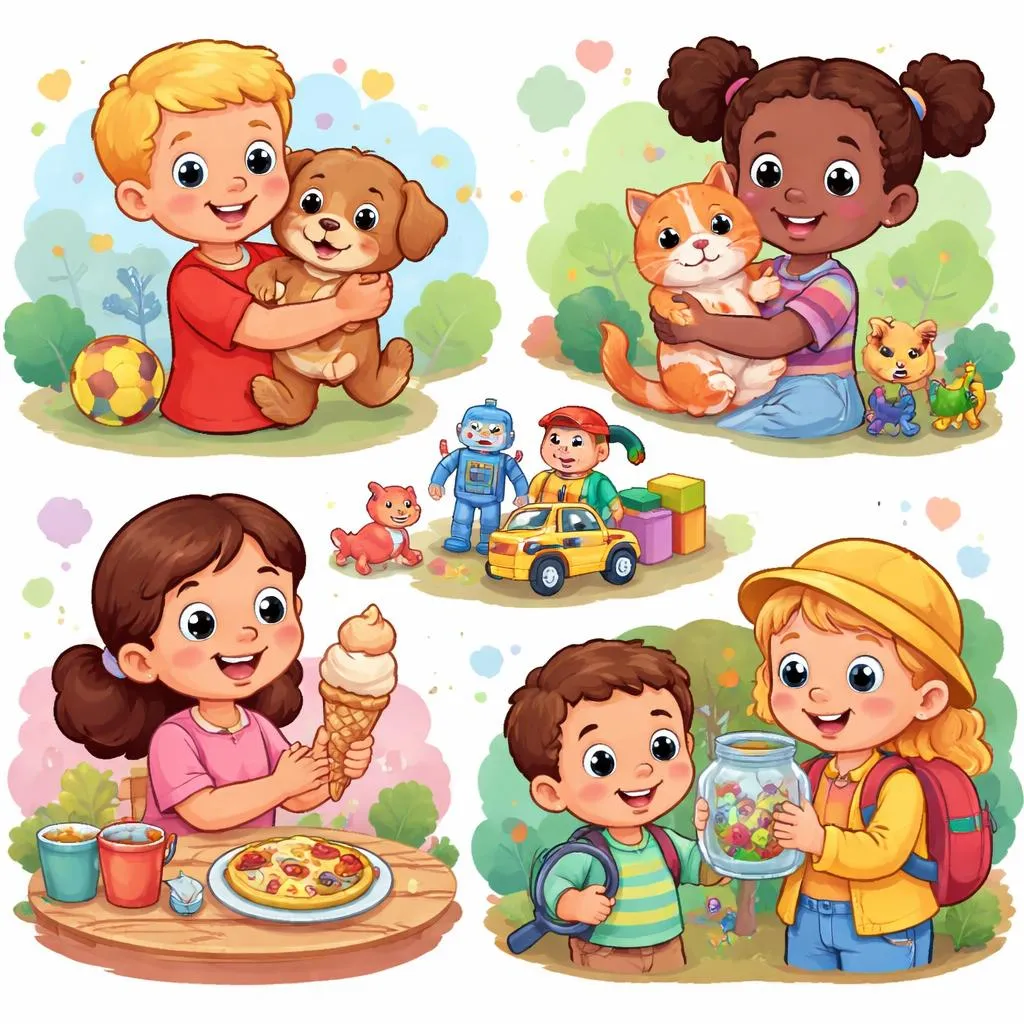
Have Definition: Understanding the Verb “Have” for Kids
