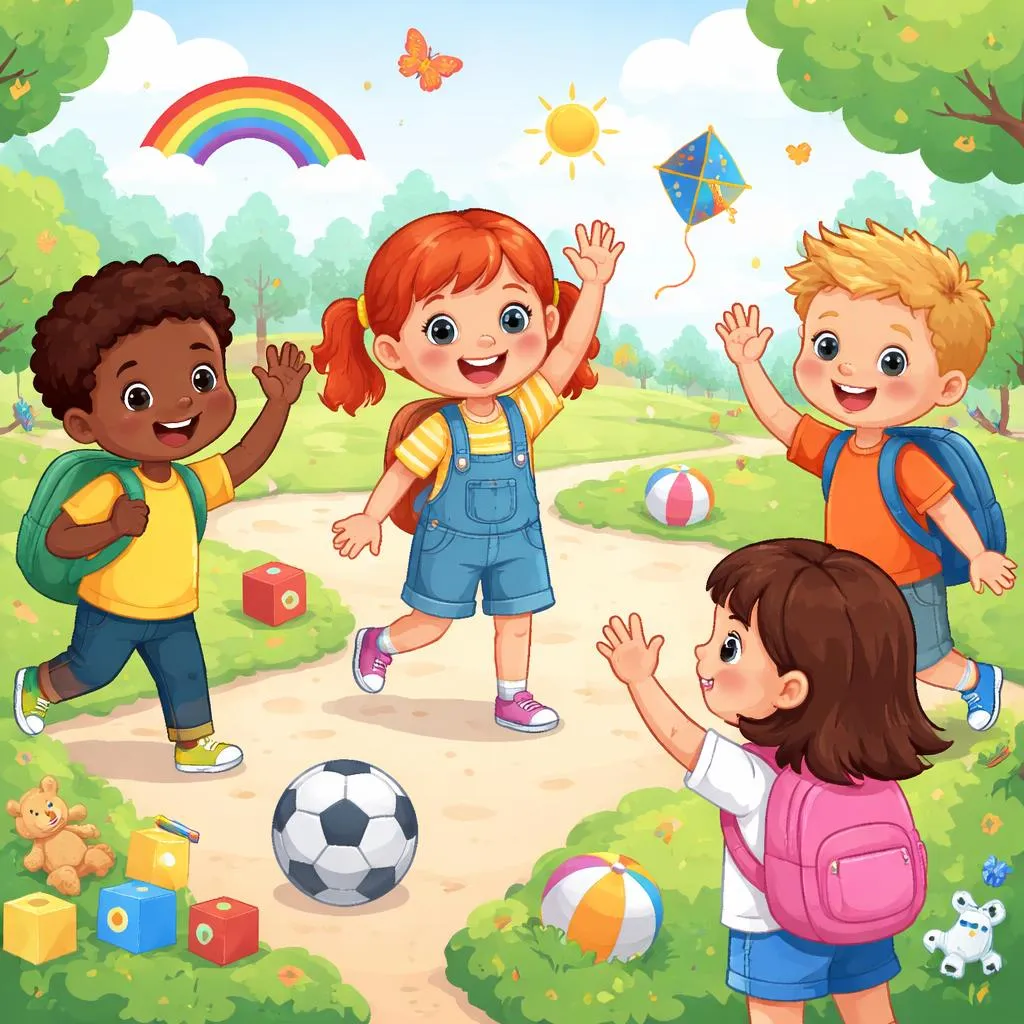

What Does "Hi" Mean in English? In English, "hi" is one of the most common ways to greet someone. It’s a friendly and informal way to say hello to someone. We use it when we meet new people or when we see friends and family. "Hi" is simple, easy to say, and makes everyone feel happy! When we say "hi", we are welcoming someone, showing kindness, and letting them know we are happy to see them. "Hi" can be used in many situations—whether you are meeting a friend, entering a room, or answering the phone. In English-speaking countries, "hi" is often the first word we say when we meet someone, and it can set the tone for a positive and friendly conversation. It is short and easy to remember, making it one of the first words many children learn when they begin speaking English.
Why Do We Say "Hi"? We say "hi" to show politeness and make others feel good. Saying "hi" helps start a conversation and makes people feel like they are important. It’s a way to make a connection with someone. Here are a few reasons why we say "hi":
To Be Friendly: Saying "hi" shows you are friendly and happy to see someone. It is a warm and welcoming greeting that can make someone’s day brighter.
To Start a Conversation: It’s an easy way to begin talking to someone. Whether you know the person well or are meeting them for the first time, "hi" is a great way to start.
To Show Kindness: "Hi" helps make people feel welcome and appreciated. It’s a small but meaningful way to show that you care.
To Say Hello Quickly: It’s a short and simple way to greet others. When you are in a hurry or just passing by someone, saying "hi" is the easiest way to acknowledge them.
To Set the Mood: Saying "hi" sets the tone for the rest of your interaction. It is positive, friendly, and shows openness to communication.
How to Use "Hi" in English "Hi" can be used in many situations, both with friends and people you don't know well. Here’s how to use it:
- When You See Someone
"Hi!" – Simply say "hi" when you see someone for the first time that day. It’s a way to acknowledge them and show you’re ready to talk.
Example:
Person 1: "Hi!"
Person 2: "Hi, how are you?"
- When You Answer the Phone
"Hi, this is Emma speaking." – Answer the phone by saying "hi". It’s a friendly and casual way to begin a phone conversation.
Example:
Person 1: "Hi, is Emma there?"
Person 2: "Hi, this is Emma. How can I help you?"
- When You Meet a New Person
"Hi, my name is John." – When you meet someone new, you can introduce yourself with "hi".
Example:
Person 1: "Hi, my name is Lucy."
Person 2: "Hi, nice to meet you!"
- When You Enter a Room
If you walk into a room where people are already there, you can say "hi" to greet them.
Example:
Person 1: "Hi everyone!"
Person 2: "Hi! Welcome!"
- When You See a Family Member
When you see a family member after a long day, you can say "hi" as a warm greeting.
Example:
Person 1: "Hi, mom!"
Person 2: "Hi, sweetie. How was your day?"
Other Ways to Say "Hi" in English While "hi" is one of the most common greetings in English, there are other ways to say hello too. Here are a few examples:
Hello: This is another simple way to greet someone. It's a bit more formal than "hi" but still very common. You can use it when you meet someone for the first time or in professional situations.
Example:
"Hello! How are you today?"
Hey: This is a very casual way to greet a friend. It’s a little more relaxed than "hi". People use "hey" to greet their friends or someone they know well.
Example:
"Hey, how’s it going?"
What's up?: This is an informal greeting used with friends. It’s a fun way to say hello and ask how someone is doing.
Example:
"Hey, what's up?"
"Not much, just relaxing!"
Howdy: This is a fun, old-fashioned way to say hi, often used in southern parts of the United States. It’s very casual.
Example:
"Howdy, partner!"
Greetings: This is a more formal way of saying hello, often used in written communication or formal situations.
Example:
"Greetings, everyone! Welcome to the meeting."
Good morning / Good afternoon / Good evening: These greetings are more specific and are used at different times of the day.
Example:
"Good morning, how are you?"
"Good evening, it's nice to see you!"
Phonics Fun with "Hi" Let’s have some fun with the sounds in "hi":
The /h/ sound in "hi" is made by breathing out a bit of air. It sounds like the h in "hat."
The /ai/ sound in "hi" is like the i in "pie."
Try saying "hi" over and over, and pay attention to how the sound feels when you say it! You can also practice by saying "hi" with different tones of voice: a happy voice, a surprised voice, and a calm voice. This will help you get used to how "hi" sounds in different situations!
Simple Sentences with "Hi" Now that we’ve learned how to say "hi", let’s practice using it in sentences:
"Hi, my name is Anna."
"Hi, how are you?"
"Hi, it’s nice to see you!"
"Hi, I’m happy to be here!"
"Hi, I’m your new friend!"
These sentences will help you practice using "hi" in everyday situations. You can try making your own sentences with "hi" and practice with your friends and family!
Learning Activities with "Hi" Here are some fun activities to help you practice saying "hi":
- Role Play with "Hi"
Take turns greeting each other with "hi". You can pretend to meet someone for the first time, answer the phone, or walk into a room. Practice saying "hi" in different situations.
- Hi Bingo
Create bingo cards with different ways to say hi (e.g., "hello," "hey," "howdy"). When you hear someone say a greeting, mark it on your card.
- Say Hi in Different Languages
Practice saying "hi" in different languages! For example, "hola" (Spanish), "bonjour" (French), "ciao" (Italian), and "ni hao" (Chinese). This will help you connect with even more people around the world!
Fun Games with "Hi" Vocabulary Here are some fun games to practice "hi" and other greetings:
- Greeting Matching Game
Write down different greetings like "hi," "hello," "hey," "what's up?" on cards. Match the greeting with the correct situation. For example, "hi" goes with meeting a friend, and "what’s up?" goes with talking to a close friend.
- Memory Game
Create cards with "hi" and other related words in English and their meanings. Turn the cards face down and try to find matching pairs. This will help you remember greetings and understand when to use them.
Connecting "Hi" to Real Life Saying "hi" is an important part of everyday life. Here’s how you use it in real-world situations:
At School: When you meet new classmates or greet your teacher, you can say "hi." This is how you begin a conversation with someone new.
At Home: When your family comes home, you can greet them with "hi!" It’s a way to show you’re happy to see them.
On the Phone: When you call or answer the phone, you say "hi" to start the conversation.
In the Neighborhood: When you see your neighbors, saying "hi" is a friendly way to say hello.
Classroom Practice with "Hi" Here are some easy sentences to practice saying "hi" in the classroom:
"Hi, my name is Sarah."
"Hi, how are you today?"
"Hi, I’m happy to be in class."
These simple questions and responses will help you practice and feel more comfortable using "hi" in conversation.
Extending Learning Beyond the Classroom You can keep learning about "hi" even outside of school with these activities:
Practice greeting your family with "hi" in the morning or when they come home.
Watch videos or cartoons in English and listen for the different ways people say "hi."
Play a game with friends where you say "hi" in different ways, like "hello," "howdy," and "hey".