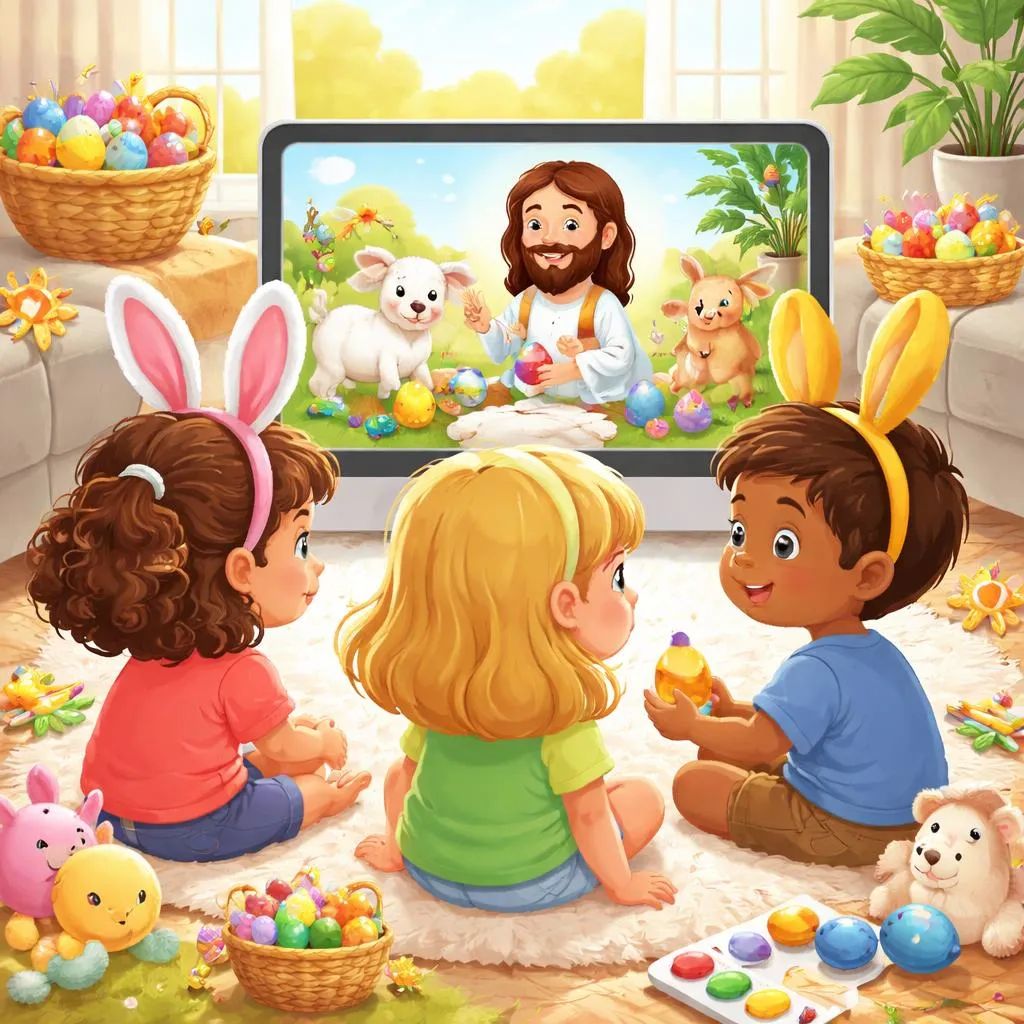

Easter brings symbols of spring and new life. Bunnies, eggs, and flowers appear everywhere. For many families, the holiday also carries deeper meaning. A children's easter story video combines visual engagement with narrative teaching. Moving images capture attention while words tell the tale. This article explores methods for using these videos effectively in teaching.
What Defines a Children's Easter Story Video?
A children's easter story video presents Easter-themed narratives through visual media. Some videos focus on secular Easter traditions. Bunnies deliver eggs. Children hunt for treats. Spring arrives with flowers and sunshine. These stories celebrate the season's joy.
Other videos present the religious Easter story. They show events of Holy Week in age-appropriate ways. Palm Sunday processions. The Last Supper with friends. The garden and the empty tomb. These versions use careful language and imagery for young viewers.
The best videos combine quality storytelling with visual appeal. Animation brings characters to life. Music adds emotional depth. Sound effects create atmosphere. Together these elements create immersive experiences that support language learning.
Why Use Video Stories for Language Learning?
A children's easter story video offers several advantages for language development. First, visuals support comprehension. When learners hear unfamiliar words, images provide context clues. A "palm branch" appears on screen as the word is spoken. This dual input aids understanding.
Second, video captures attention completely. Moving images and sound hold focus better than static pages alone. This engaged attention supports retention of new language.
Third, video provides pronunciation models. Learners hear words spoken by native speakers with proper intonation. They can replay sections to practice hearing specific phrases.
Fourth, video creates emotional connection. Music and images combine with words to produce feeling. This emotional engagement makes language more memorable.
Vocabulary Learning Through Easter Videos
A children's easter story video introduces holiday vocabulary in rich visual context. Secular Easter words appear naturally. Basket, egg, hunt, bunny, and chocolate gain meaning through on-screen images. Learners see what these words represent.
Religious Easter vocabulary also appears. Donkey, palm, supper, garden, and tomb connect to visual representations. Abstract concepts like miracle and resurrection receive careful visual explanation appropriate for children.
Action words fill these narratives. Hop, hide, find, share, and celebrate all appear in meaningful contexts. Each verb connects to specific on-screen action that clarifies meaning.
Descriptive words for Easter abound. New, spring, colorful, sweet, and joyful describe the holiday experience. These adjectives help learners express Easter feelings.
Simple Phonics Points in Easter Videos
Easter videos offer useful phonics material. Holiday words provide sound practice. Egg features short e. Bunny contains short u. Basket offers short a in first syllable. These words become phonics anchors through repeated viewing.
Many Easter videos use songs and rhymes. "Here comes Peter Cottontail" patterns appear. These musical elements support phonemic awareness naturally. Rhyming becomes obvious when set to melody.
Alliteration appears in Easter language. "Bouncy bunny" repeats b sound. "Easter eggs" features long e in both words. These patterns highlight specific sounds enjoyably.
Exploring Grammar Through Easter Narratives
Easter videos provide clear grammar models. Present tense describes holiday traditions. "Children hunt for eggs every Easter." This general present expresses recurring events.
Past tense narrates story events. "The children found colorful eggs hidden in the grass." This past tense shows completed action appropriate for storytelling.
Future tense appears in plans. "We will have an Easter celebration tomorrow." These structures show intentions connected to the holiday.
Questions drive conversation in many videos. "Where did the bunny hide the eggs?" "Who will find the most?" These questions model inquiry forms naturally.
Learning Activities with Easter Videos
Active engagement with video narratives deepens learning. These activities move from viewing to productive language use.
Before and After Viewing Before showing a children's easter story video, ask what learners know about Easter. List their ideas. After viewing, add new information learned. Compare lists. This builds schema activation and comprehension checking.
Story Sequence Drawing After watching, ask learners to draw three main events from the video in order. Below each drawing, write a sentence describing that moment. This builds comprehension and sequencing skills.
Easter Word Collection Create a class collection of Easter words from the video. Group words by category. Easter animals: bunny, chick, lamb. Easter objects: egg, basket, candy. Easter actions: hunt, hide, find. This builds organized vocabulary.
Video Response Discussion Gather after viewing to discuss reactions. What part did you like best? What surprised you? Was anything confusing? This builds comprehension checking and opinion expression.
Educational Games with Easter Videos
Games add playful interaction with video content. These activities work well for groups or individuals.
Easter Bingo with Video Words Create bingo cards with words from the Easter video. Show the video again or call out words. Learners cover matching squares. This builds word recognition and listening skills.
Easter Charades Act out scenes or characters from the Easter video without speaking. Others guess what is being portrayed. This builds comprehension and nonverbal communication.
Easter Story Scramble Write key events from the video on separate cards. Mix them up. Learners arrange in correct order. This builds sequencing and narrative comprehension.
Printable Materials for Easter Video Learning
Tangible resources support extended exploration of Easter themes. These materials work well for independent practice or learning centers.
Easter Word Cards Create cards with Easter vocabulary words on one side and simple definitions or pictures on the other. Egg, bunny, basket, hunt, spring. Use these for matching games or quick reviews.
My Easter Story Page Provide a template for writing or drawing an original Easter story. Prompts guide structure. "One Easter morning..." "I found..." "The best part was..." This builds narrative skills with holiday themes.
Easter Video Response Sheet Create a simple sheet with prompts about the video watched. "My favorite character..." "A new word I learned..." "The story made me feel..." This builds comprehension and personal connection.
Easter Picture Sequencing Provide pictures showing key moments from the Easter video out of order. Learners cut and paste in correct sequence. This builds narrative comprehension hands-on.
The lasting value of a children's easter story video lies in its multisensory approach. Words combine with images, music, and movement to create rich learning experiences. Visuals support comprehension for language learners at all levels. Music adds emotional depth that makes content memorable. The video format allows repeated viewing, each time building deeper understanding. Children can watch first for overall meaning. They can watch again focusing on specific vocabulary. They can watch with sound off, narrating themselves. This flexibility makes video a powerful tool for differentiated instruction. Each child engages at their own level while sharing the same story experience. The classroom becomes a place where holiday traditions and language learning join together naturally.