
The Big Mix-Up in Squirrel Town
Meet Sam the squirrel. He loves nuts and words. One day, he wanted to help his mom. She asked him to describe the garden. Sam saw many plants. He shouted, “Look at all the green!” Everyone smiled. Later, he tried to say the plants were greenish. But he said, “The greenery is greenish.” His friends giggled. They thought he meant a building was a plant. Sam felt confused. He had mixed up the words. This happens to many kids. Words look similar but act differently. Today, we will fix that. Think of these words as a family. Each has a special job. Green is the color artist. Greenery is the plant gatherer. Greenish is the light shade helper. Greenhouse is the glass home maker. They live together but do different tasks. In this lesson, we will follow Sam’s day. We will see how he uses each word right. By the end, you will never mix them up again. Let’s start with a funny story. Sam went to school. He saw a broken window. He wanted to say, “The window is broken.” Instead, he said, “The window broke.” His teacher looked puzzled. Did the window break itself? No, someone broke it. Sam learned that timing matters. Words change with time. We will explore that soon. For now, remember: each word has its place. Do not swap them carelessly. It can cause silly mistakes. Stay tuned for clear explanations. You will become a word expert.
Meet the Word Family
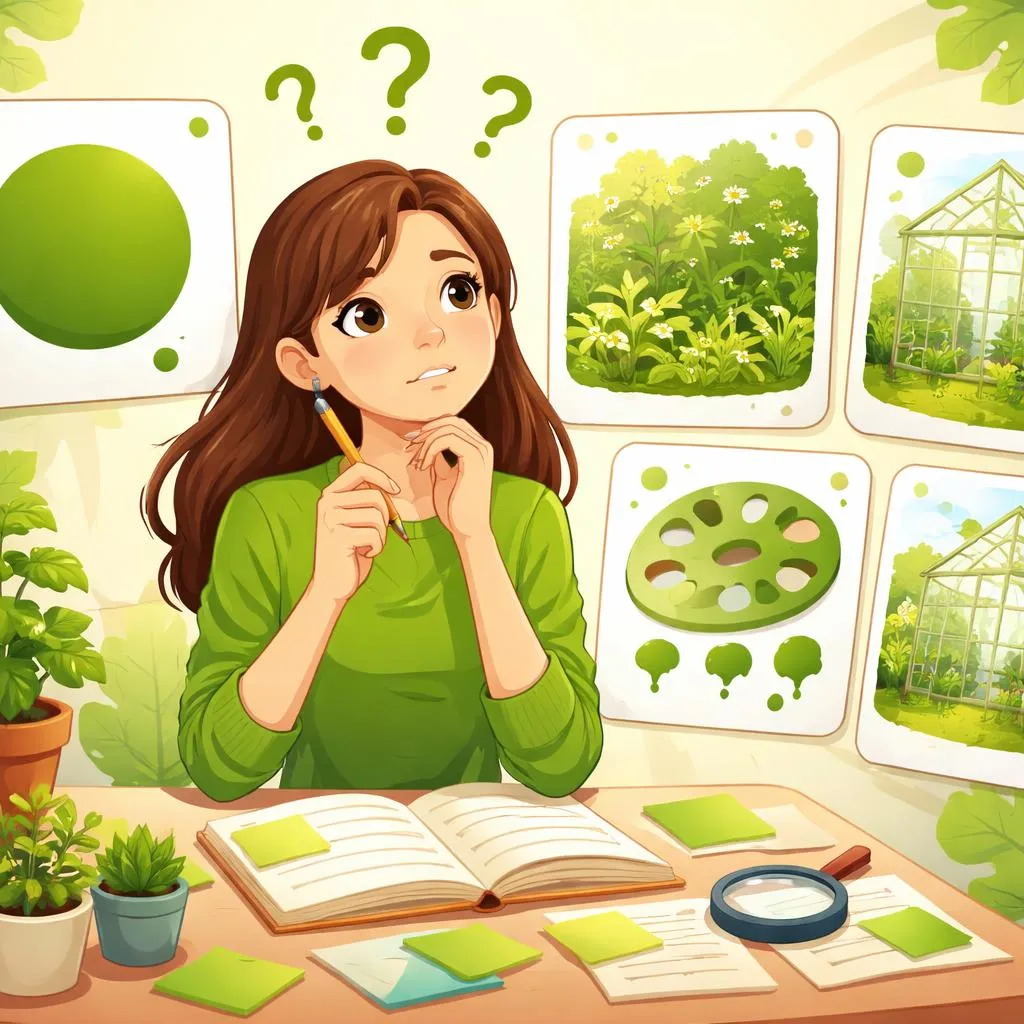
First, let us introduce each member. Green is the color word. It describes things like grass or apples. We call it the Color Painter. Greenery means lots of plants and leaves. It is like a big collection of green things. We call it the Plant Collector. Greenish means something is almost green but not fully. It is a light or pale shade. We call it the Shade Helper. Greenhouse is a building made of glass. People grow plants inside it. We call it the Glass House Builder. These nicknames help us remember their jobs. Now, we will see them in action. Sam wakes up at home. He sees his green shirt. He eats breakfast near the greenery outside. He notices a greenish sky before rain. He visits a greenhouse later. Each word fits perfectly. But sometimes Sam picks the wrong one. We will learn why. Next, we compare them deeply. We will look at time, role, partners, small differences, and common traps. Get ready to master these words.
Time Tells the Story
Words change with time. Some show actions happening now. Others show past or finished actions. Let us see. At home, Sam says, “The grass is green.” That is present state. He says, “The plants turned green yesterday.” That is past change. In the playground, he shouts, “I am painting green stripes!” That is ongoing action. He recalls, “I painted green last week.” That is completed action. At school, the teacher explains, “Green represents nature.” That is general truth. She adds, “We studied greenery last month.” That is past event. In nature, Sam observes, “Leaves are turning greenish.” That is gradual change. He notes, “The greenhouse was built years ago.” That is past fact. See how time shifts the word? Green stays as color. Greenery stays as plants. Greenish shows a shade changing. Greenhouse names a place. Remember: if something happens now, use simple forms. If it happened before, adjust the verb. Do not mix them up.
Jobs in the Sentence
Each word plays a role. Some describe. Some name things. Green is an adjective. It describes nouns. Example: “The green frog jumps.” Greenery is a noun. It names a group of plants. Example: “We love the greenery.” Greenish is also an adjective. It describes a light green color. Example: “Her eyes are greenish.” Greenhouse is a noun. It names a glass building. Example: “Tomatoes grow in the greenhouse.” At home, Sam says, “My room is green.” That is description. He says, “Our yard has much greenery.” That is naming plants. In the playground, he points, “That slide is greenish.” Description again. He asks, “Can we build a greenhouse?” Naming a structure. At school, the poster shows green forests. Adjective. The book talks about urban greenery. Noun. In nature, the moss looks greenish. Adjective. The greenhouse stands on the hill. Noun. Always check the job. Is it describing or naming? Choose wisely.
Who Likes Company
Some words need helpers. Others stand alone. Green often stands alone. It does not need extra words. Example: “The green car.” Greenery usually stands alone too. It is a full noun. Example: “Greenery covers the wall.” Greenish may need “is” or “looks.” Example: “It is greenish.” Greenhouse often needs articles. Example: “The greenhouse is hot.” At home, Sam says, “The green pillow is soft.” Here “green” works alone. He says, “The greenery needs water.” Alone again. In the playground, he says, “The ball looks greenish.” Needs “looks.” He says, “I see a greenhouse over there.” Needs “a.” At school, the teacher says, “Green is my favorite color.” Alone. She says, “Greenery improves air quality.” Alone. In nature, Sam notes, “The lake appears greenish.” Needs “appears.” He says, “The greenhouse protects plants.” Needs “the.” Learn the partners. They help the word fit.
Small Differences Matter
Sometimes words seem alike. But tiny meanings differ. Green is pure color. Greenery is many plants. Greenish is not fully green. Greenhouse is a specific building. At home, Sam says, “The green apple is tasty.” That means the apple is green. He says, “The greenery in our garden is thick.” That means many plants. In the playground, he says, “The swing is greenish.” That means it is somewhat green. He says, “The greenhouse has glass walls.” That means a plant house. At school, the chart shows green fields. Pure color. The project studies city greenery. Plant life. In nature, the stone looks greenish. Light shade. The greenhouse helps flowers bloom. Building purpose. Using the wrong one changes meaning. Say “greenhouse” when talking about buildings. Say “greenery” when talking about plants. Be precise.
Avoid the Common Traps
Many kids make mistakes. Let us spot them. Mistake one: “The greenery is very green.” This repeats idea. Better: “The greenery is lush.” Mistake two: “I saw a greenish greenhouse.” Confusing. Better: “I saw a greenhouse with greenish glass.” Mistake three: “The greenhouse are green.” Wrong verb. Better: “The greenhouse is green.” Mistake four: “We planted greenery in the green.” Awkward. Better: “We planted greenery around the green house.” Mistake five: “The leaf greenish slowly.” Missing verb. Better: “The leaf turns greenish slowly.” Why these errors happen? Kids mix parts of speech. They treat nouns as adjectives. Or forget subject-verb agreement. Memory tip: Green describes color. Greenery is a thing. Greenish is a shade. Greenhouse is a place. Repeat after me: Green for color, greenery for plants, greenish for light, greenhouse for glass. Practice this rhyme. It will stick.
Quick Review of the Word Family
Let us tie it all together. Green is an adjective for color. Use it to describe things. Greenery is a noun for plants. Use it to talk about vegetation. Greenish is an adjective for light green. Use it when something is not fully green. Greenhouse is a noun for a glass building. Use it when speaking about plant houses. Remember time: these words do not change tense. Only verbs change. Roles stay fixed. Partners help them fit. Small differences matter. Avoid traps by checking part of speech. If you want to say something is colored green, pick green. If you mean many plants, pick greenery. If it is almost green, pick greenish. If it is a building, pick greenhouse. Keep these rules in mind. You will sound smart and clear.
Practice Time
Task A: Choose the best word. At home, Sam sees a __ rug. Options: green or greenery? Answer: green. Because it describes color. Task B: Find errors in this paragraph. “Yesterday, I visit a greenhouse. The greenery was greenish. The green house had many plants.” Errors: “visit” should be “visited”. “green house” should be “greenhouse”. Corrected: “Yesterday, I visited a greenhouse. The greenery was greenish. The greenhouse had many plants.” Task C: Be a director. Scene: school garden. Make one sentence with green and one with greenery. Sample: “The green bench sits near the garden.” “The greenery makes the school beautiful.”
What You Learned
You learned to tell four green words apart. You know green describes color. You know greenery means plants. You know greenish is a light shade. You know greenhouse is a glass building. These skills help you speak clearly.
Your Action Step
Today, look around your home. Find three green things. Name them using green. Then go outside. Spot some greenery. Say it aloud. Finally, draw a greenhouse. Write one sentence about it. Practice makes perfect.