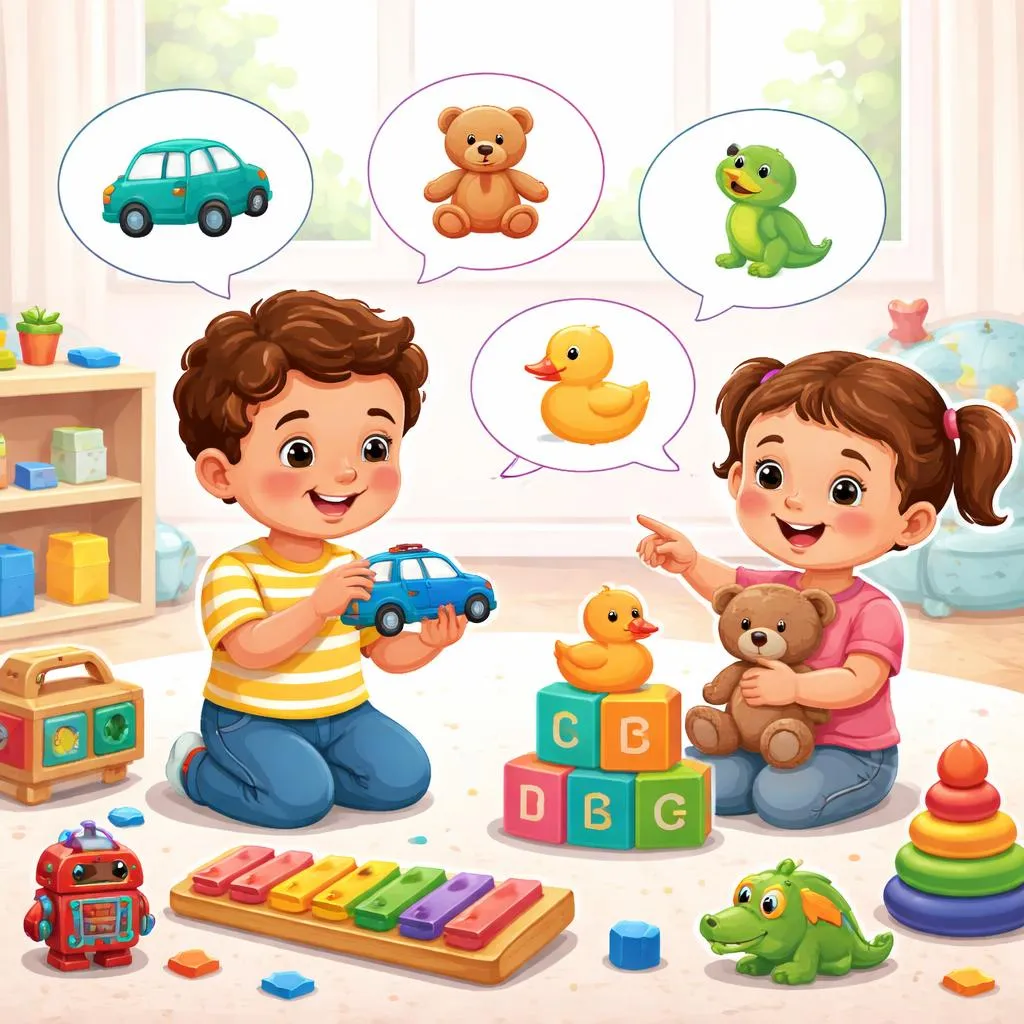

Hello, dedicated educators! Today we are exploring a fundamental topic in early language development. We will focus on "toys names." This is one of the most practical and engaging vocabulary sets for young learners. Children have a natural connection to their playthings. Using this interest creates powerful learning moments. We will look at how to teach these words effectively. We will explore categories, real-life examples, and fun activities. This guide will provide you with practical tools for your classroom. Let's begin this exciting journey into the world of toys and language.
What Are Toys Names? Toys names are simply the words we use for children's playthings. These are some of the first nouns children learn. They represent objects that bring joy and comfort. Words like ball, doll, and car are common examples. Learning these names helps children talk about their world. It gives them the language to express preferences. They can ask for a specific toy during playtime. This vocabulary forms a foundation for future learning. Children feel motivated to learn words for things they love.
Meaning and Explanation of Toy Vocabulary Understanding toys names goes beyond simple memorization. Each toy name connects to a concept. A ball represents something that rolls or bounces. A puzzle represents a problem-solving activity. When we teach these words, we also teach these concepts. We explain what we can do with each toy. This builds deeper understanding. For example, we can say, "This is a kite. It flies in the wind." The word kite now has meaning and action attached to it. This approach helps children retain vocabulary longer. It connects language to real-world experience.
Categories or Lists of Common Toys Names Organizing toys names into categories helps learning. It creates mental folders for students. Let's look at some useful categories.
Outdoor Toys: These are for playing outside. Examples include ball, bicycle, kite, jump rope, and frisbee. Children use these in parks and playgrounds. These toys often involve physical activity.
Building Toys: These help children create things. Examples include blocks, LEGO, magnetic tiles, and construction sets. These toys develop spatial thinking and creativity.
Pretend Play Toys: These support imagination. Examples include dolls, action figures, toy kitchen sets, doctor kits, and tool sets. Children use these to act out stories and roles.
Board Games and Puzzles: These are for thinking and sharing. Examples include puzzles, memory games, and simple board games. These toys teach rules and turn-taking.
Soft Toys: These provide comfort. Examples include teddy bears, stuffed animals, and plush dolls. Children often form emotional bonds with these toys.
Vehicles: These move on wheels. Examples include cars, trucks, trains, planes, and boats. Many children love collecting different vehicle types.
Daily Life Examples with Toys Names We can weave toys names into everyday classroom conversations. This makes learning natural and continuous.
During free play, we can narrate what we see. We can say, "Maria is building a tower with blocks." We can ask, "What color is your teddy bear?" This reinforces vocabulary in context.
At cleanup time, we give clear directions. We can say, "Please put the puzzles on the shelf." We can ask, "Where does the doll go?" This turns routine tasks into language lessons.
During show and tell, children bring a favorite toy. They practice saying its name to the class. They might say, "This is my robot. It walks and talks." This builds confidence and public speaking skills.
Printable Flashcards for Toys Names Flashcards are a versatile teaching tool. They provide clear visual support for new words. For toys names, we want bright and simple images.
We can create a set with one toy per card. On the back, we write the word. This allows for multiple game options. We can show the picture and say the word. Students repeat. We can hold up two cards. Students choose the one we name.
We can create matching games. Make two sets of cards. Students play memory match by finding pairs. They must say the word when they make a match. This adds a language component to a classic game.
We can make mini books. Print small versions of the flashcards. Staple them together. Each page shows a toy and its name. Children can take these home to practice with family.
Learning Activities or Games with Toys Names Games make vocabulary practice exciting. Children often don't realize they are learning during play. Here are some engaging activities.
Activity 1: Toy Store Role Play Set up a pretend toy store in the classroom. Gather a collection of real toys or toy pictures. Give students play money. One student is the shopkeeper. Others are customers. Customers say, "I want to buy the doll, please." The shopkeeper repeats the toy name and completes the sale. This practices speaking and listening in a fun context.
Activity 2: What's Missing Game Place several toys on a tray. Review the names with students. Ask them to close their eyes. Remove one toy. Students open their eyes and guess what is missing. They must say, "The ball is missing!" This builds observation skills and vocabulary recall.
Activity 3: Toy Bingo Create bingo cards with pictures of toys. Call out a toy name. Students cover the picture if they have it. The first to cover a row wins. This game practices listening comprehension. It also reinforces word-picture association.
Activity 4: I Spy with Toys Use a box or bag filled with toys. Say, "I spy with my little eye, something that rolls." Students guess which toy it is. They might say, "Is it the car?" This encourages critical thinking and descriptive language.
Activity 5: Sorting Toys by Category Provide a mixed basket of toys. Ask students to sort them into groups. They can sort by type, like all vehicles together. They can sort by color or size. As they sort, they practice saying the toy names. You can ask questions like, "Why did you put the doll with the teddy bear?" This encourages them to explain their thinking.
We have explored many ways to teach toys names. This vocabulary is essential for young children. It connects directly to their daily lives and interests. We started with what these words mean. We organized them into helpful categories. We looked at using them in daily classroom routines. We discussed printable flashcards for practice. We played games that make learning joyful. Remember, the goal is meaningful communication. When children learn the names of their toys, they gain power. They can express their wants and share their experiences. They can connect with others through play. Use these strategies in your lessons. Watch as your students' vocabularies grow. They will use these words with confidence and joy. Their world of play will become a world of words.