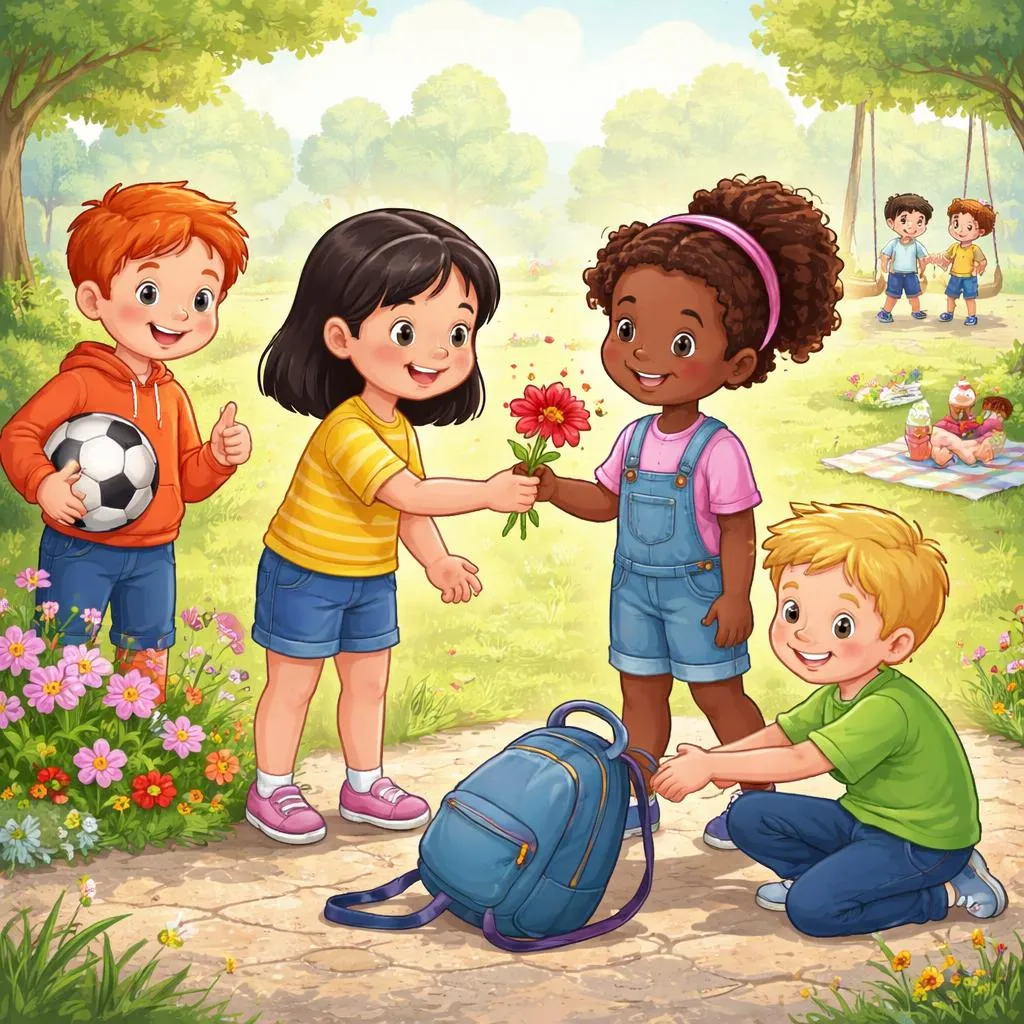

Every child wants friends. Every child wants to be liked. Small words make a big difference. “Please.” “Thank you.” “Excuse me.” English gives us a gracious family of words for kind behavior. The root is “polite.” From this root come three more words. “Politeness” names the quality of being kind and respectful. “Politely” describes an action done with good manners. “Impolite” describes behavior that is rude or disrespectful. These four words help children understand how to treat others. They also help children recognize when someone needs gentle correction. Let us explore this respectful family.
What Does “Same Word, Different Forms” Mean? One quality takes different word shapes. “Polite” is the adjective. A polite child says “thank you.” “Politeness” is the noun. Politeness makes a home peaceful. “Politely” is the adverb. Please ask politely for a turn. “Impolite” is the opposite adjective. Interrupting is impolite. Your child sees this pattern in other words. “Kind” becomes “kindness.” “Rude” becomes “rudeness.” “Polite” gives us even more grace.
Personal Pronouns Change Their Form Pronouns shift shape too. “I” becomes “me.” “She” becomes “her.” “We” becomes “us.” This shows that English changes words for grammar. Our word family “polite” changes for grammar as well. But it also changes for meaning. An adjective describes. A noun names a quality. An adverb describes an action. Learning these roles helps your child talk about manners clearly.
From Adjective to Noun to Adverb – One Family, Many Words “Polite” is the adjective. A polite person waits for their turn. “Politeness” is the quality noun. Politeness opens doors. “Politely” is the adverb. She politely disagreed without yelling. “Impolite” is the opposite adjective. It is impolite to chew with your mouth open. This family gives your child four tools for building relationships. One root. Four ways to show respect.
One Root, Many Roles – How Words Grow from Kindness to Character Let us follow a politeness story. A child wants a turn on the swing. The child says “polite” words like “please” and “may I.” The child’s politeness makes the other child want to share. The child waits politely without grabbing or whining. The child avoids impolite behaviors like pushing or shouting. See how “polite” runs through all four sentences. Each form adds a new layer. Your child can say “I will be polite.” “My politeness helps me make friends.” “I asked politely for a turn.” “Cutting in line is impolite.” One root tells a whole story of good manners.
Same Meaning, Different Jobs – Is It an Adjective or a Noun? How does your child know the job? Look at the sentence position. Before a noun or after “be,” use the adjective “polite.” Example: “She is a polite girl.” As a subject or object, use the noun “politeness.” Example: “Politeness is free.” Before a verb or at the end of a clause, use the adverb “politely.” Example: “He asked politely.” Before a noun or after “be,” use the adjective “impolite.” Example: “It was impolite to leave without saying goodbye.” Endings give clues. “Polite” is the base adjective. “-ness” signals a quality noun. “-ly” signals an adverb. “Im-” signals the opposite.
Adjectives and Adverbs – When Do We Add -ly? This family shows the “-ly” rule clearly. Take the adjective “polite.” Add “-ly” to make “politely.” No spelling change. Many adjectives work this way. “Quick” becomes “quickly.” “Kind” becomes “kindly.” “Polite” becomes “politely.” Also from “impolite” we can make “impolitely.” Example: “He acted impolitely.” That is also useful. Most adjectives ending in “-ite” become “-itely” adverbs. “Definite” becomes “definitely.” “Polite” becomes “politely.”
Watch Out for Tricky Spelling Changes (Double Letters, y to i, and More) “Polite” has no double letters. Has a silent “e” at the end. When we add “-ness” to make “politeness,” we keep the “e.” No change. “Polite” + “ness” = “politeness.” When we add “-ly” to make “politely,” we keep the “e.” No change. “Polite” + “ly” = “politely.” When we add “im-” to make “impolite,” we keep the “polite.” “Im” + “polite” = “impolite.” No double letters. The main challenge is remembering the “im-” prefix. For words starting with “p,” the opposite often uses “im-” not “in-.” “Polite” becomes “impolite.” “Possible” becomes “impossible.” Practice “im” before “p” words. Also note that “impolite” has no double “p.” “Im” has one “m.” “Polite” has one “p.” Together they make one “m” and one “p.” Not “imm” or “ipp.”
Let’s Practice – Can You Choose the Right Form? Try these simple sentences with your child.
A (polite / politeness) child says “excuse me.” (Answer: polite)
(Polite / Politeness) makes the world kinder. (Answer: Politeness)
Please speak (polite / politely) to your sister. (Answer: politely)
It is (polite / impolite) to talk with food in your mouth. (Answer: impolite)
She (polite / politely) held the door for the person behind her. (Answer: politely)
Make your own sentences from daily life. Say “You were so polite at the store.” Say “Your politeness impressed the teacher.” Say “Please ask politely for more water.” Say “Whispering in class is impolite.”
Tips for Parents – Help Your Child Learn Word Families in a Fun Way Model politeness at home. Say “please” and “thank you” to your child. Say “Excuse me” when you interrupt. Say “You showed great politeness when you waited.” Say “You asked so politely for a cookie.” Say “Yelling across the room is impolite.” This modeling teaches more than any lesson.
Play the politeness game. Give scenarios. “What is the polite thing to do when someone drops their books?” “What is the polite thing to say when you burp?” “What is impolite to do at the dinner table?” Use the words. “Politeness means thinking of others.” “A polite person listens.” “You can disagree politely.” “It is impolite to ignore someone.” This game builds social skills.
Read books about manners and friendship. Many children’s books show characters learning politeness. Pause during reading. Ask “Is this character being polite or impolite?” Ask “What would politeness look like here?” Ask “How could they ask more politely?” Ask “How does impolite behavior make others feel?” These questions build empathy.
Create a family politeness chart. List polite phrases. “Please.” “Thank you.” “Excuse me.” “May I?” “I’m sorry.” Say “Politeness is our family value.” “We speak politely to each other.” “Even when upset, we can be polite.” “Impoliteness has consequences.” This builds a culture of respect.
Role-play impolite vs. polite. Act out both ways. Say “That was impolite. Now let’s try the polite version.” “See how much better polite feels?” “Politeness opens doors. Impoliteness closes them.” This builds understanding.
Distinguish “polite” from “fake.” Politeness is not pretending. It is choosing kindness. Say “Being polite does not mean hiding your feelings. It means sharing them respectfully.” This nuance builds emotional intelligence.
Now you have a complete guide. Be polite in words and actions. Value politeness in yourself and others. Speak politely even when upset. Avoid impolite behavior. This word family does more than teach English. It teaches that kindness is a choice. It teaches that small polite acts build big friendships. It teaches that every child can make the world kinder. Keep being polite. Keep growing together. One word family at a time.