
Opening Introduction
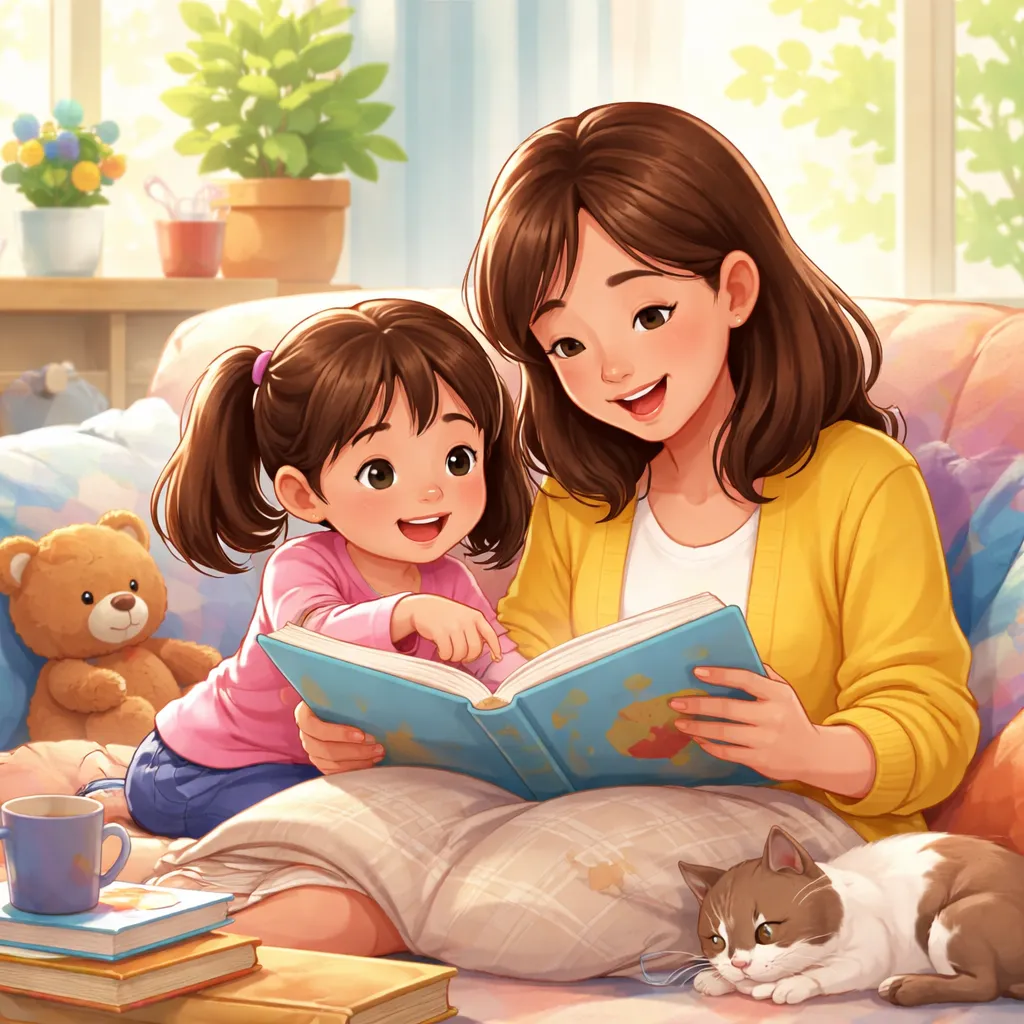
Every night, Mia and her dad have a special time. They curl up on the sofa. Dad picks up a book. Mia snuggles close. This is their reading time. But it is not just reading. It is an adventure. They talk about the pictures. They make silly voices for the characters. They guess what will happen next. Mia*s dad knows a secret. He knows that this fun time is also powerful learning. He uses special parent-child English reading strategies. These strategies turn a simple story into a world of words and wonder. Let*s learn these secrets so you can have amazing reading adventures too.
Core Knowledge Explanation
What are parent-child English reading strategies? They are special ways to read together. They are not about finishing a book fast. They are about enjoying the journey. The goal is to make reading in English a happy, shared experience. When you and your parent read together, you are building more than just reading skills. You are building a love for language. The first strategy is to choose the right book. The book should be interesting to you. It should have pictures that help tell the story. The words should be just a little challenging, but not too hard. This is called a "just right" book.
The second strategy is to talk about the cover. Before you even open the book, look at the cover. Ask questions. "What do you see?" "What do you think this story is about?" "How does the character feel?" This gets your brain ready. The third strategy is to read with expression. Your parent can use different voices for different characters. They can read slowly, fast, loudly, or softly. This makes the story come alive. It helps you understand the feelings in the words.
The fourth strategy is to pause and predict. Stop in the middle of a page. Ask, "What do you think will happen next?" This makes you a part of the story. You are not just listening. You are thinking. The fifth strategy is to connect the story to your life. If the story is about a lost toy, talk about a time you lost something. This helps you remember the words because they are linked to your own memories. The sixth strategy is to point to words and pictures. As your parent reads, they can point to the words. This shows you that the spoken words match the written words. They can also point to pictures and name them. "Look, a big, red ball!"
The seventh strategy is to ask different kinds of questions. Some questions are about the story. "What did the boy do?" Some questions are about feelings. "Why was the girl sad?" Some questions are about what you see. "How many birds are in the tree?" This helps with comprehension. The eighth strategy is to reread favorite books. Reading the same book again and again is good. It helps you learn the words. You start to "read" along because you remember. These parent-child English reading strategies are like a treasure map. They guide you and your parent to the treasure, which is a love for reading and learning English together.
Fun Interactive Learning
Let*s play a reading game right now. It is called "Sound Effects." Choose a book with action. As your parent reads, you make the sound effects. If the story says, "The door creaked open," you make a creaking sound. If it says, "The rain fell," you go "pitter-patter." This makes you listen carefully and join in. It is a fun parent-child English reading strategy that gets you involved.
Another game is "Puppet Partner." Get a hand puppet or a sock puppet. Let the puppet "read" parts of the story. The puppet can have a funny voice. The puppet can also ask you questions. "Hello, I am Percy the Parrot. What is your name? Can you find the yellow car on this page?" This makes reading playful and less scary. You are reading with a friend.
You can also play "Find the Word." Before you read, choose a word that will probably be in the book, like "the" or "and." As your parent reads, tap the table every time you hear that word. See how many times you hear it. This sharpens your listening ears. Another activity is "Act It Out." After reading a page, act out what happened. If the character jumps, you jump. If the character is sleepy, pretend to yawn. This uses your whole body to understand the words. These are all parent-child English reading strategies that turn a book into a playground.
Expanded Learning
Reading together is a tradition in many cultures. Long ago, before TV, families would gather and listen to stories. In some countries, storytellers were very important. They passed down history and lessons through stories. Your reading time is part of this long, beautiful tradition. In England, many children grow up with books by authors like Beatrix Potter or Roald Dahl. In the United States, they have Dr. Seuss. These stories are shared from parents to children.
Did you know that your brain works better when you are happy? When you read with your parent in a cozy, fun way, your brain releases chemicals that help you learn and remember. Scientists say that children who are read to often have bigger vocabularies and do better in school. So, your special reading time is like brain food. It is feeding your mind with words and ideas. The parent-child English reading strategies you use are the recipe for this delicious brain food.
Let*s sing a song about reading together. Sing this to the tune of "Row, Row, Row Your Boat."
Read, read, read a book, with your mom or dad! Talk about the pictures, and you will be so glad! Predict and point and play, in a happy way! Reading English every day, hip hip hooray!
What You Will Learn
You are learning about the joy of shared reading. You are learning new words: expression, predict, connect, comprehension, tradition, vocabulary, chemicals. You are learning about the science of a happy brain.
You are learning powerful sentences. You can say, "Let*s predict what will happen next." You can ask, "Can you read that with a funny voice?" You can suggest, "This part reminds me of our picnic." You are using English to make reading interactive and deep. This is a great skill.
You are building wonderful abilities. You are building listening skills. You focus on the story. You are building speaking skills. You answer questions and ask your own. You are building thinking skills. You predict and connect. You are building empathy. You understand characters' feelings. You are building a strong bond with your parent. This is the best part.
You are forming a lifelong habit. The habit of reading for pleasure. You learn that books are friends. This habit will make you a better student and a more curious person. Understanding and using parent-child English reading strategies turns you into a reading explorer, with your parent as your guide.
Using What You Learned in Life
Use these strategies every time you read. At home, create a cozy reading corner with pillows and a blanket. Make it your special place. When you visit the library, ask the librarian for a "just right" book. Use the strategies to explore it. When you are in the car, you can listen to an audiobook together and pause it to talk about the story. This is a reading strategy on the go.
At school, you can be a reading helper. Share these strategies with a younger student. Read a book to them and ask them to predict. You will be a great teacher. When you are with friends, act out a story you read. This is fun and practices the words. The parent-child English reading strategies are not just for home. They are for anywhere you want to share a story and learn together.
Closing Encouragement
You are an amazing reading partner. You are a story explorer. You are a word collector. I am so proud of you. Learning these reading strategies shows you care about growing your mind and your heart.
Keep reading with your parent. Treasure this special time. Let every book be a new adventure you share. Remember, the stories you read together become a part of you.
You are building memories and skills that will last forever. You are curious, kind, and on a wonderful journey. Great work, my fantastic reading buddy.