
Opening Introduction
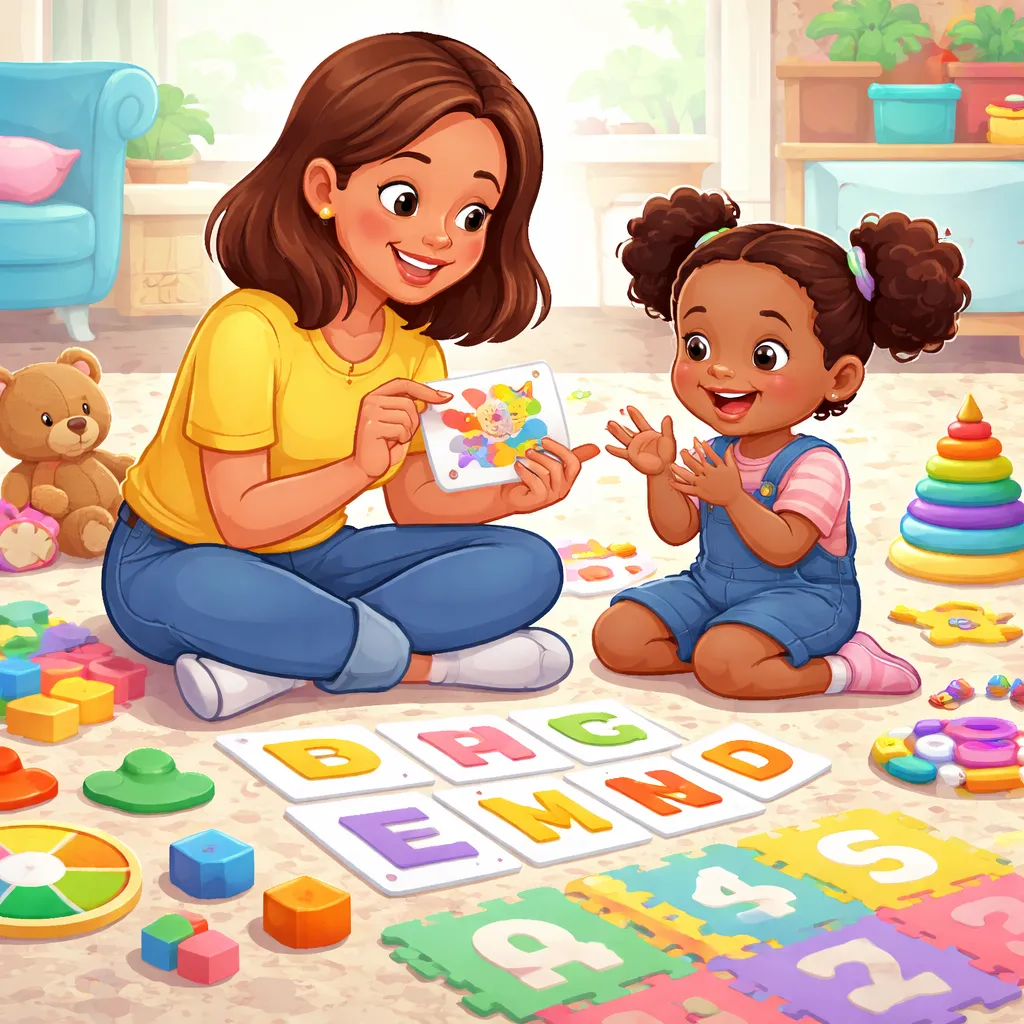
Sam is seven years old. His little neighbor, Lily, is four. Lily comes over to play. She points to Sam's toy dog. "Doggy!" she says. Sam smiles. "Yes, that's a dog," he says. He thinks, "What else can I teach Lily? She is four. She is ready to learn more words." Sam wants to help. He asks his teacher, "What are the best things to teach a four-year-old in English?" His teacher is happy. "That is a great question, Sam! Knowing what to teach a 4 year old in English is like having a map. It helps you be a wonderful guide." Let's explore this map together.
Core Knowledge Explanation
A four-year-old is a preschooler. They are not a baby. They are not a big kid. They are in the middle. They can talk in short sentences. They ask many, many questions. "Why is the sky blue?" "What is that?" They love to play pretend. They love to run and jump. Their brains are like sponges. Sponges soak up water. Their brains soak up words.
When we think about what to teach a 4 year old in English, we think about their world. We teach words for things they see and do every day. We teach them how to use these words in little sentences. We do not teach grammar rules. We do not teach spelling. We teach through stories, songs, and conversations.
First, we teach more vocabulary. Vocabulary means words. A four-year-old can learn new words every day. We teach nouns. Nouns are names of things. We teach words for family: mom, dad, sister, brother, grandma, grandpa. We teach words for body parts: head, nose, eyes, ears, mouth, hands, feet. We teach words for clothes: shirt, pants, socks, shoes, hat. We teach words for food: apple, banana, bread, milk, water. We teach words for toys: ball, car, doll, block, book.
Second, we teach action words. Action words are verbs. Verbs are doing words. Run, jump, walk, eat, drink, sleep, play, stop, go, open, close. We use these words in simple commands. "Please jump." "Let's eat." "Open the book."
Third, we teach describing words. Describing words are adjectives. They tell us more. Big, small, hot, cold, happy, sad, fast, slow, red, blue, yellow. We use these words to describe things. "A big ball." "A red car." "Happy boy."
Fourth, we teach simple phrases and sentences. A four-year-old can put two or three words together. "My toy." "More juice." "I am happy." "It is big." We teach them to ask questions. "What is that?" "Where is mom?" "Can I have it?"
Fifth, we teach through routines. Routines are things we do every day. Morning routine: "Good morning." "Time to get dressed." "Let's eat breakfast." Bath time: "Wash your hands." "Splash the water." Bedtime: "Brush your teeth." "Read a book." "Good night."
Sixth, we teach through songs and rhymes. Songs are magical. They make words stick. "Old MacDonald Had a Farm" teaches animal names and sounds. "The Wheels on the Bus" teaches action words. Rhymes are fun. "Cat, hat, mat." They teach about sounds.
Seventh, we teach through stories. We read simple picture books. We point to the pictures. We ask simple questions. "Where is the cat?" "What is the boy doing?" This builds understanding.
This is the core of what to teach a 4 year old in English. It is all about making English a natural, fun part of their day. It is about talking, playing, and reading together.
Fun Interactive Learning
Now, you can be the teacher. Here are some fun activities that teach what to teach a 4 year old in English. First, play "I Spy". Say, "I spy with my little eye, something red." Let the four-year-old look around. They point to something red. You say, "Yes, the red ball!" Then, let them have a turn. They might say, "I spy something blue." This game teaches colors and object names.
Second, play "Simon Says". Say, "Simon says touch your nose." "Simon says jump." "Simon says clap your hands." This teaches body parts and action words. It is also a listening game.
Third, do a "Sorting Game". Get a bunch of toys. Sort them by color. Put all the red toys here. Put all the blue toys there. Say the colors and the toy names. "Red car. Blue block." This teaches colors and categories.
Fourth, have a "Pretend Tea Party". Use toy cups and plates. Say, "Please have some tea." "This cookie is yummy." "Thank you." "You are welcome." This teaches polite words and social language.
Fifth, sing a "Counting Song". Sing "One, Two, Buckle My Shoe". Count on your fingers. This teaches numbers. You can also count toys. "One car, two cars, three cars."
Remember, keep it fun. If the child is not interested, try something else. The goal is happy learning. You are a playmate who uses English. That is the best way to teach what to teach a 4 year old in English.
Expanded Learning
All children learn language in similar ways. But in some families, children hear two languages. That is okay. Their brains can learn both. Knowing what to teach a 4 year old in English helps if English is their first or second language. The ideas are the same: lots of talking, singing, and reading.
Long ago, before schools, children learned language from their family. They learned the words they needed for their life. They learned to farm, to cook, to build. Today, we still learn from our family. We also learn from teachers and friends. You are part of that teaching chain. You can help a four-year-old learn the words they need for their world.
Let's sing a song about teaching. Sing this to the tune of "Are You Sleeping?".
I can teach you, I can teach you, words today, words today. Names of colors, names of animals, let us play, let us play. I can teach you, I can teach you, how to count, how to count. One, two, three, four, five, six, seven, let us sing, let us shout!
You can make up your own verses. Singing makes everything more fun.
What You Will Learn
By reading this, you are learning about teaching. You are learning new words: preschooler, vocabulary, nouns, verbs, adjectives, phrases, routines, rhymes, categories, polite. You are learning about child development: how a four-year-old thinks and learns.
You are learning useful sentences. You can say, "Let me teach you a new word." You can ask, "What is this called?" You can explain, "Four-year-olds learn through play." You are using English to talk about teaching and learning. This makes you wise and helpful.
You are building great skills. You are building empathy. You understand how a younger child feels. You are building leadership. You guide and teach. You are building creativity. You think of fun games. You are building communication. You learn to speak clearly and simply.
You are forming a kind habit. The habit of helping others learn. You see someone younger, and you share your knowledge. This habit makes you a better friend and sibling. Knowing what to teach a 4 year old in English gives you the power to make a positive difference.
Using What You Learned in Life
You can use this knowledge at home. If you have a four-year-old brother, sister, or cousin, you can be their English playmate. Spend 15 minutes each day playing an English game. You will help them, and you will feel proud.
At school, you can tell your teacher you know how to help younger kids. Your school might have a reading buddy program. You can read a simple book to a preschooler. You can point to pictures and ask questions. You are using what you learned.
When you are playing with your own toys, think about how you would explain them to a four-year-old. Use simple words. This practice will help you in many ways. It helps you become a clear speaker.
Remember, you were four once. Someone taught you these words. Now you can pass on the gift. Knowing what to teach a 4 year old in English is a superpower. Use it to spread joy and knowledge.
Closing Encouragement
You have done an amazing thing today. You are a teacher. You are a guide. You are a kind and smart friend. I am so proud of you. Learning about teaching shows you care about others.
Keep this knowledge in your heart. Use it to help little learners. Share it with your friends. You are making the world a better place, one word at a time.
Remember, the best teachers are those who make learning fun. You can be that teacher. Keep playing, keep teaching, keep being your wonderful self. Great work, my fantastic junior educator.