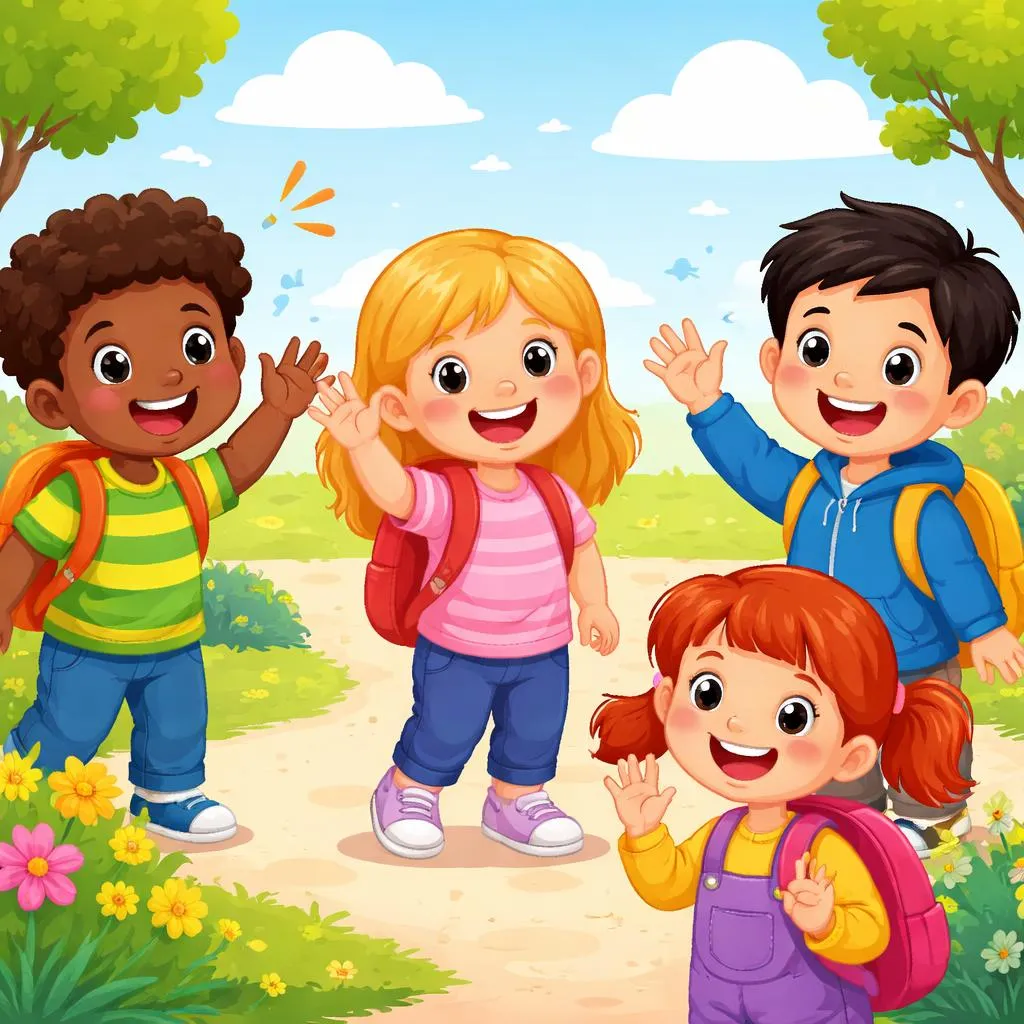

What Does “Hello” Mean? “Hello” is a word used to greet people. It’s a friendly way to start a conversation. “Hello” shows kindness and attention.
Saying “hello” is a good way to begin.
When Do We Say “Hello”? We say “hello” when we meet someone. We say it when we see someone after a while. “Hello” is used at the start of many conversations.
Saying “hello” is part of good manners.
How to Pronounce “Hello” “Hello” is pronounced like “heh-loh.” The first syllable is soft. The second syllable is a little stronger.
Practice saying “hello” out loud!
Different Ways to Say “Hello” There are many ways to say “hello” in English. You can say “Hi” for a short greeting. You can also say “Hey” for a casual hello.
“Hi” and “Hey” are friendly too.
“Hello” in Different Situations “Hello” is used in both formal and casual situations. When you meet someone new, you say “hello.” You also say “hello” to friends and family.
“Hello” is for everyone.
“Hello” in the Morning In the morning, you can say “Good morning.” It’s a nice greeting when you wake up. “Good morning” is more formal than “hello.”
Start your day with a friendly greeting.
“Hello” and Hand Gestures You can wave your hand when you say “hello.” It helps show that you’re happy to see someone. A wave makes the greeting friendlier.
Waving makes “hello” even better.
Using “Hello” on the Phone When you pick up the phone, you say “hello.” It’s a way to show you are ready to talk. “Hello” on the phone means you are greeting the person.
Say “hello” to start a phone conversation.
How to Reply to “Hello” When someone says “hello,” you can reply with “hello” too. You can also say “Hi” or “Hey” back. The reply shows that you are friendly and open.
Replying with a smile is always nice.
“Hello” and Friendly Conversations “Hello” opens up friendly conversations. After “hello,” you can ask how someone is. You might say, “How are you?” after greeting someone.
“Hello” makes talking easy.
Saying “Hello” to Strangers When you meet someone you don’t know, say “hello.” It’s polite and shows respect. You can also say “Hi, I’m [your name].”
Saying “hello” to strangers is important.
Saying “Hello” in Different Places You can say “hello” anywhere. You say “hello” when you walk into a room. You say “hello” when you meet someone at school.
“Hello” works in many places.
Different Forms of “Hello” Some people say “Howdy” as a way to greet someone. “Howdy” is a friendly and casual greeting, mostly in certain regions. You might also hear “Yo” in casual conversations.
There are many fun ways to say “hello.”
“Hello” and Politeness Saying “hello” is a polite way to start a conversation. It shows that you’re being friendly and respectful. It makes the other person feel welcomed.
Polite greetings go a long way.
“Hello” and Body Language When you say “hello,” it’s nice to smile. A friendly face makes “hello” sound warmer. You can also give a handshake in some cultures.
Body language helps make “hello” friendly.
“Hello” in Other Languages In English, we say “hello,” but in other languages, greetings are different. In Spanish, you say “Hola.” In French, it’s “Bonjour.”
Learning different greetings is fun!
“Hello” and Asking How Someone Is After saying “hello,” you can ask how someone is. For example, “Hello, how are you?” It’s a way to show interest in the other person.
Asking how someone is keeps the conversation going.
“Hello” and Introducing Yourself “Hello” is often used when introducing yourself. For example, “Hello, my name is [your name].” This is a good way to meet new people.
Introductions start with “hello.”
“Hello” in Different Situations You say “hello” in many situations. When you meet someone at school, you say “hello.” When you meet a neighbor, you say “hello.”
“Hello” is a greeting for every occasion.
How to Respond to “Hello” When someone says “hello,” respond politely. You can say “hello” back. You can also say “Hi” or “Hey” as a response.
Responding to “hello” is simple.
“Hello” and Other Greetings There are many other ways to greet people. “Good morning” is for the morning. “Good evening” is for later in the day.
Different times of the day have different greetings.
Saying “Hello” with Confidence When you say “hello,” speak clearly. Make sure to say it loud enough to be heard. A clear voice makes the greeting sound confident.
Confidence makes “hello” sound friendly.
“Hello” in School In school, you say “hello” to your classmates and teachers. “Hello” is a good way to start a school day. It’s also nice to say “hello” when you meet new students.
“Hello” makes school more welcoming.
Saying “Hello” Online When you chat online, you can also say “hello.” You can type “Hello!” to greet someone. It’s a friendly way to start an online conversation.
Saying “hello” online is important too.
“Hello” and Body Posture Your body posture is also important when saying “hello.” Stand up straight, and face the person. This shows you are interested in the conversation.
Good posture makes greetings better.
“Hello” in Social Settings In social situations, “hello” is the first thing you say. You greet people at parties, gatherings, and meetings. “Hello” helps start a conversation with a smile.
Social situations are better with “hello.”
“Hello” and Saying Goodbye “Hello” is often followed by a goodbye. When you leave, you can say “goodbye” or “see you later.” It’s polite to greet and leave with kindness.
Goodbyes follow “hello.”
: Saying “Hello” is Key to Communication “Hello” is one of the first things you learn in any language. It helps start conversations and makes people feel welcome. Saying “hello” is the beginning of many friendships.
Start every conversation with “hello.”
Different Ways to Greet People “Hello” is just one way to greet someone. You can also say “Hi there!” Or you can use “Good day!” for a more formal greeting.
There are many ways to say “hello.”
Greetings for Different Times of Day In the morning, you can say “Good morning.” In the afternoon, you might say “Good afternoon.” At night, “Good evening” is a polite greeting.
The time of day can change how you greet.
Greeting a Group of People When greeting a group, you can say “Hello, everyone!” This is friendly and inclusive. It makes everyone feel welcomed.
Group greetings are important.
“Hello” in Special Situations In special situations, “hello” might be more formal. For example, in a job interview, you might say “Good morning, sir.” Using polite greetings shows respect.
Politeness is important in formal situations.
Greeting with a Smile A smile makes any greeting better. It shows that you are happy to see the person. A friendly smile with “hello” makes people feel welcome.
Smiles make “hello” warmer.