What Does “Hi” Mean in English? Hi is a friendly greeting. Hi is used when meeting someone. Hi is short. Hi is simple. Hi is easy to say. In English learning, hi is often one of the first spoken words. Greetings begin conversations. Conversations build communication skills. Clear greetings create positive first impressions. When Is “Hi” Used? Hi is informal. Hi is used with friends. Hi is used with classmates. Hi is used with family members. Hi is not usually used in very formal situations. Understanding context is important. Language changes depending on the situation. Choosing the correct greeting shows awareness. Other Ways to Say Hi in English English has many greetings. Hello Hi there Hey Good morning Good afternoon Good evening Each greeting fits a different moment. Hello is polite and neutral. Hi is friendly and casual. Hey is very informal. Good morning is used before noon. Good afternoon is used after noon. Good evening is used at night. Learning variety improves fluency. Is “Hello” the Same as “Hi”? Hello and hi are similar. Both are greetings. Both are polite. Hello sounds slightly more formal. Hi sounds more relaxed. In classrooms, hello is often taught first. In playgrounds, hi is heard more often. Tone and setting influence choice. Practicing both words builds flexibility. How Should “Hi” Be Pronounced? Hi has one syllable. It sounds like /haɪ/. The mouth opens wide. The voice is clear. Practicing pronunciation improves clarity. Repeating slowly builds confidence. Hi. Hi. Hi there. Listening and repeating strengthen speaking skills. How Does Body Language Support “Hi”? Greetings include more than words. A smile shows friendliness. A wave shows warmth. Eye contact shows attention. Standing straight shows confidence. Combining voice and gesture improves communication. Role-play activities support natural expression. Language becomes active and lively. Can “Hi” Be Used at School? Hi can be used with classmates. Hi can be used with friends. Teachers may prefer hello or good morning. Context matters. Formal greetings show respect. Informal greetings build closeness. Teaching both forms builds social awareness. Understanding audience is part of language learning. What Should Be Said After “Hi”? Hi often begins a longer exchange. Hi. How are you? Hi. Nice to see you. Hi. What’s your name? Short follow-up questions keep conversation going. Conversation practice builds fluency. Fluency builds confidence. Confidence encourages participation. How to Respond to “Hi”? A greeting needs a response. Hi. Hello. Hey. Adding a question continues the exchange. Hi. How are you? Hello. How is your day? Responding politely shows good manners. Structured practice builds automatic responses. Greeting Dialogues for Practice Dialogue practice supports speaking development. Hi. Hi. How are you? I am fine. Thank you. Hello. Hello. Nice to meet you. Nice to meet you too. Short dialogues create rhythm. Repetition strengthens memory. Pair practice builds interaction skills. Fun Activities to Practice Saying Hi Interactive learning increases engagement. Greeting Circle Learners stand in a circle. Each person says hi to the next person. Eye contact and smiles are encouraged. This builds confidence and reduces fear. Greeting Ball Toss A soft ball is thrown gently. The person catching the ball says hi to someone. Quick thinking supports fluency. Movement keeps energy high. Situation Cards Cards show different settings. Meeting a friend. Meeting a teacher. Meeting a new student. Learners choose the best greeting. This builds context awareness. Saying Hi in Different Times of Day Time influences greetings. Hi can be used anytime. Good morning is specific to morning. Good afternoon is used later in the day. Good evening is used at night. Combining time words with greetings improves accuracy. Good morning, class. Hi, everyone. Daily routine practice strengthens habit formation. Saying Hi in Digital Communication Hi appears in text messages. Hi appears in emails. Hi appears in online classes. Email greetings may include: Hi Anna, Hello Mr. Brown, Formal emails may use: Good morning, Dear Ms. Lee, Understanding digital etiquette prepares learners for modern communication. Language adapts to technology. Cultural Differences in Greetings Greetings vary across the world. In United States, hi and hello are common. In Australia, hi and g’day are heard. In Canada, hi and hello are polite and friendly. Learning about global greetings builds cultural awareness. Cultural awareness builds respect. Respect strengthens communication. Expanding Beyond “Hi” More greeting expressions add variety. How’s it going? What’s up? Nice to see you. Good to see you. Some expressions are very informal. Some are semi-formal. Teaching gradual variation prevents confusion. Exposure builds understanding. Practice builds fluency. Classroom Greeting Routine Daily greeting routines support habit building. Morning class can begin with a greeting chant. Hi, hi, how are you? I am good. How about you? Songs reduce anxiety. Anxiety reduction increases participation. Structured repetition builds automatic language use. Greeting charts on the wall support memory. Visual aids improve recall. Writing Practice with “Hi” Writing greetings supports literacy. Short letters can begin with: Hi Tom, Hello Anna, Learners can complete short email models. Hi Ben, How are you? I am happy today. Writing strengthens spelling and sentence structure. Combining speaking and writing deepens learning. Common Mistakes When Saying Hi Using hi in very formal speeches may sound too casual. Forgetting to respond to hi stops conversation. Speaking too softly reduces clarity. Modeling correct use prevents confusion. Gentle correction supports improvement. Consistent practice builds confidence. Building Confidence in Greetings Small steps create progress. Saying hi clearly is the first step. Adding a follow-up question is the second step. Maintaining eye contact is another step. Each small success builds courage. Courage supports stronger communication. Greeting skills influence social success. Greeting skills influence academic participation. Long Dialogue Practice Hi. Hi. How are you today? I am great. How are you? I am good. Thank you. Nice to see you. Nice to see you too. Longer dialogues build endurance. Endurance improves fluency. Fluency supports real-life conversation. Greeting Games for Review Greeting Bingo Greeting phrases are written on a board. When a phrase is heard, it is marked. Listening skills improve. Guess the Situation A greeting is spoken. Learners guess the situation. Good evening → formal event. Hi there → friendly meeting. Context identification strengthens understanding. Speed Greeting Pairs greet each other quickly. After one minute, partners change. Repetition builds automatic response. High energy keeps attention focused. Emotional Benefits of Friendly Greetings Friendly greetings create safe environments. Safe environments encourage speaking. Encouragement builds participation. Participation strengthens language development. Language grows through interaction. Interaction begins with hi. Hi is simple. Hi is powerful. A small word can open long conversations. Confident greetings support confident learners. Clear greetings support strong communication habits. Step by step, greeting practice builds fluent, polite, and socially aware English speakers.
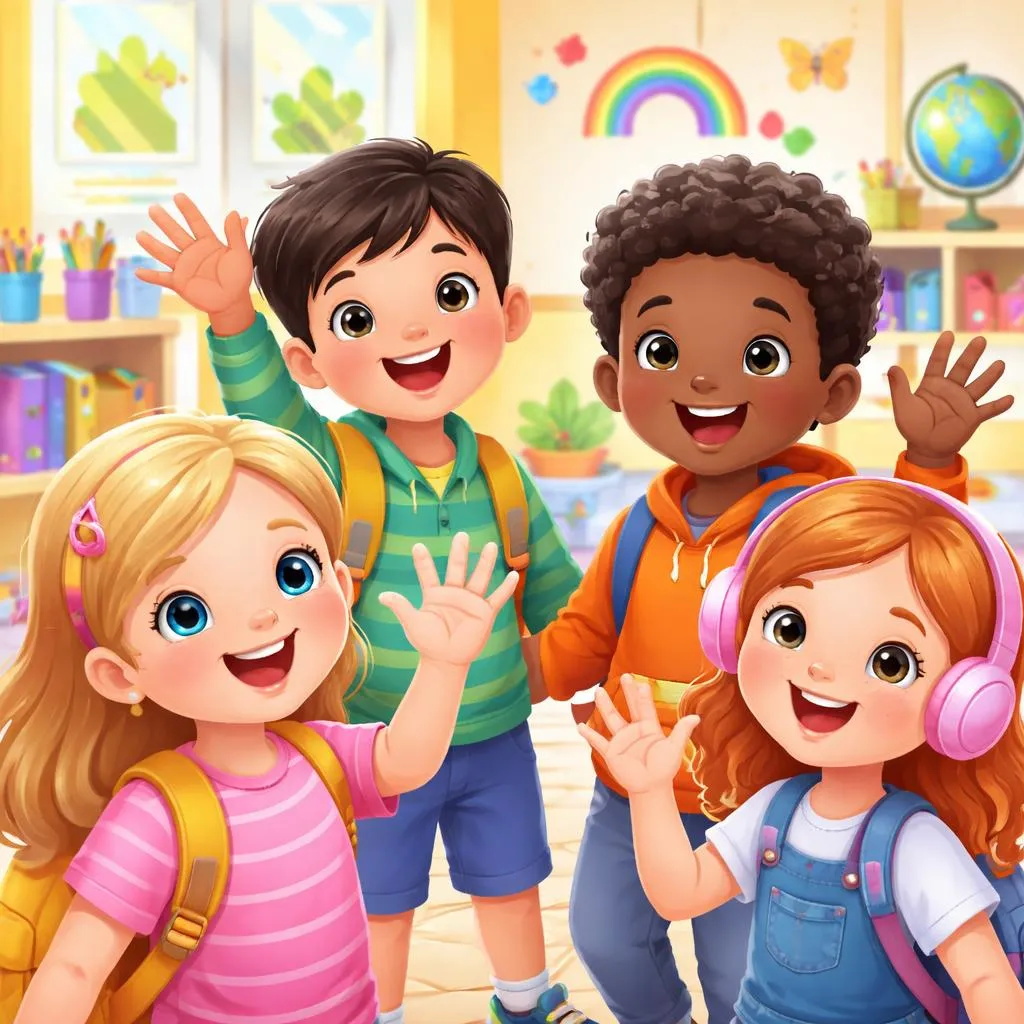
How Do You Say Hi in English? Easy Greetings, Polite Expressions, and Fun Speaking Activities for Kids
