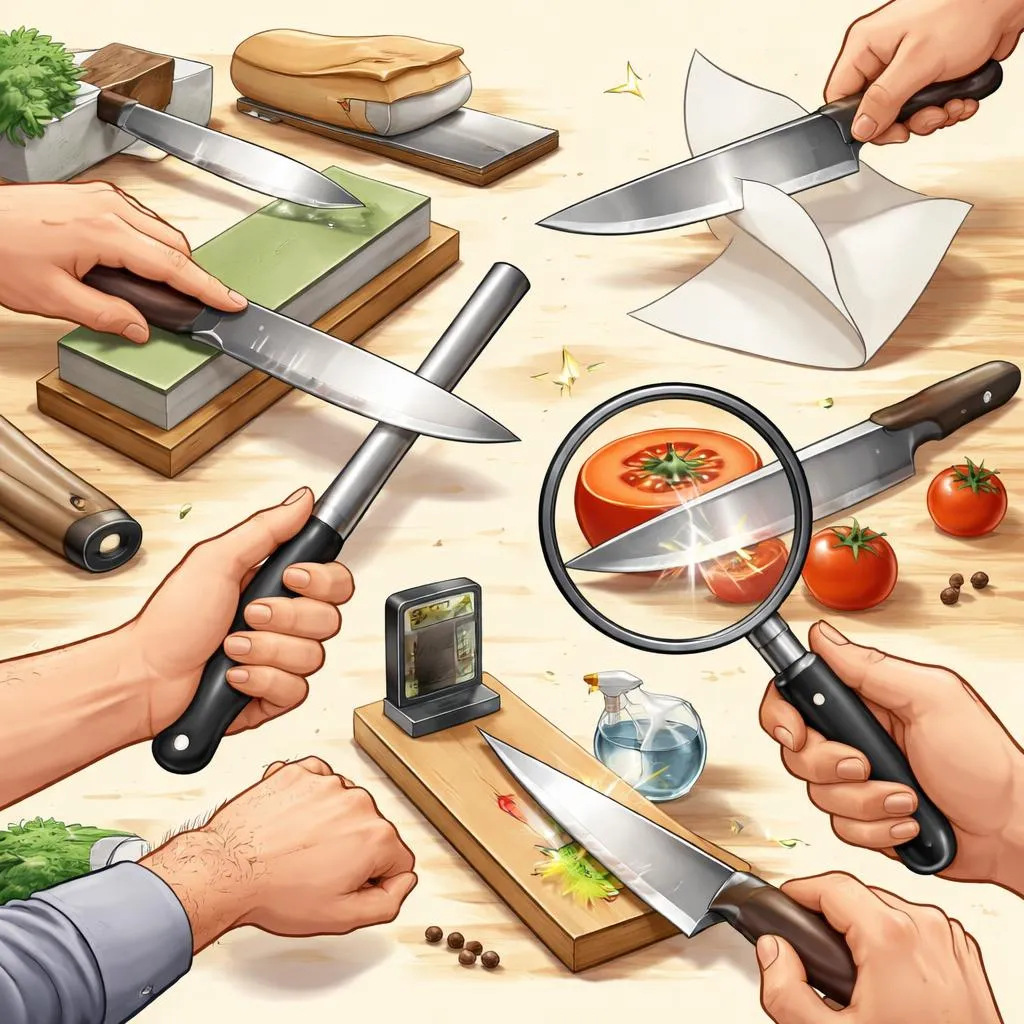

A sharp pencil writes better than a dull one. A sharp mind solves puzzles faster. The words “sharp, sharpen, sharply, sharpness” all come from one family. Each word talks about a fine edge or quick thinking. But each one has a different job in a sentence. Learning this family helps children describe tools, sounds, and even intelligence. Let us explore these four words together.
What Does “Same Word, Different Forms” Mean? One core idea can grow into many word shapes. The meaning stays the same at the heart. But the word changes its ending for a new role. For example, “sharp” is an adjective. “Sharpen” is a verb. “Sharply” is an adverb. “Sharpness” is a noun. Knowing these four forms helps a child switch between describing, acting, and naming.
Personal Pronouns Change Their Form Pronouns change from “he” to “him” or “his”. Our word family changes by adding suffixes, not by changing person. Think of “sharp” as the quality of a fine edge. “Sharpen” turns that quality into an action. “Sharply” turns the quality into a way of doing something. “Sharpness” turns the quality into a thing we can name. Each form answers a simple question. What quality? Sharp. What action? Sharpen. How? Sharply. What thing? Sharpness.
From Verb to Noun to Adjective to Adverb – One Family, Many Words This family has an adjective, a verb, an adverb, and a noun. Let us start with the adjective “sharp”. Adjective: This knife is very sharp. “Sharp” describes a fine edge or a quick mind.
Next is the verb “sharpen”. Verb: Please sharpen your pencil before the test. “Sharpen” means to make something sharp.
Then we have the adverb “sharply”. Adverb: The car turned sharply to the left. “Sharply” describes how an action happens.
Finally the noun “sharpness”. Noun: The sharpness of this blade is impressive. “Sharpness” names the quality of being sharp. This family shows a complete cycle. Adjective → verb → adverb → noun. That is rare and beautiful.
One Root, Many Roles – How Words Grow from Actions to Qualities The Old English word “scearp” meant cutting or piercing. From this root, we built a full family. “Sharp” kept the main adjective meaning. Adding -en made the verb “sharpen” (to make sharp). Adding -ly made the adverb “sharply” (in a sharp way). Adding -ness made the noun “sharpness” (the state of being sharp). Children can see the same pattern in other families. For example, “soft, soften, softly, softness”. Also “dark, darken, darkly, darkness”. Learning one pattern unlocks many words.
Same Meaning, Different Jobs – Is It a Verb or a Noun? Look at each word’s job carefully. “Sharp” is an adjective. Example: A sharp needle sews quickly.
“Sharpen” is a verb. Example: Sharpen the scissors before cutting paper.
“Sharply” is an adverb. Example: The teacher spoke sharply to the class.
“Sharpness” is a noun. Example: The sharpness of her hearing surprised everyone. Each form has one clear job. That makes this family easier to learn than most. No confusing double meanings here.
Adjectives and Adverbs – When Do We Add -ly? We add -ly to “sharp” to make “sharply”. Sharp + ly = sharply. No letter changes. No letters lost. The rule is simple: adjective + ly = adverb. Example: quick → quickly, soft → softly, sharp → sharply. But some adjectives end with -y. Then we change y to i and add -ly. Example: easy → easily, happy → happily. “Sharp” does not end with y. So just add -ly. Teach this rule as a pattern. Then your child can make hundreds of adverbs.
Watch Out for Tricky Spelling Changes (Double Letters, y to i, and More) “Sharp” has no double letters. It is simple and strong. Add -en to make “sharpen”. Sharp + en = sharpen (no changes). Add -ly to make “sharply”. Sharp + ly = sharply (no changes). Add -ness to make “sharpness”. Sharp + ness = sharpness (no changes at all). This family has no tricky spelling rules. That is a gift for young learners. A common mistake is writing “sharpen” with one p. Say “Sharp has a p. Sharpen keeps that p.” Another mistake is “sharply” spelled “sharpley”. Remind your child: “Sharply ends with -ly, not -ley.” These small reminders prevent common errors.
Let’s Practice – Can You Choose the Right Form? Try these sentences with your child. Read each one aloud. Pick the correct word from the family.
A ______ knife cuts bread easily. Answer: sharp (adjective)
Please ______ the colored pencils before drawing. Answer: sharpen (verb)
The bird turned ______ to avoid the tree. Answer: sharply (adverb)
The ______ of the blade impressed the chef. Answer: sharpness (noun)
This cheese has a ______ taste. Answer: sharp (adjective)
Can you ______ this stick for the campfire? Answer: sharpen (verb)
The road bends ______ at the bottom of the hill. Answer: sharply (adverb)
Test the ______ of the scissors on paper first. Answer: sharpness (noun)
A ______ mind solves riddles faster. Answer: sharp (adjective)
The teacher looked ______ at the noisy student. Answer: sharply (adverb)
After the practice, ask your child one question. Is this word a description, an action, a how word, or a thing? That simple question teaches grammar without drills.
Tips for Parents – Help Your Child Learn Word Families in a Fun Way Use pencil sharpening to teach the whole family. Hold up a dull pencil. Say “This is not sharp.” Turn the sharpener. Say “Now I sharpen it.” After sharpening, say “Now it is sharp.” Then write a line. Say “The pencil writes sharply.” Finally say “The sharpness makes the line thin.”
Use kitchen safety as a lesson. Show a butter knife. Say “This is not sharp.” Show a bread knife. Say “This is sharp. The sharpness cuts bread.” Always add a safety warning: “Only adults use sharp knives.”
Play “fill in the blank” during car rides. Say “A ______ knife is dangerous.” (sharp) Say “Please ______ the lawnmower blade.” (sharpen) Say “The car stopped ______.” (sharply) Say “The ______ of the needle helps it sew.” (sharpness)
Use the same pattern for other adjectives. Take “soft”. Ask “What is the verb from soft?” (soften) “What is the adverb?” (softly) “What is the noun?” (softness) This builds pattern recognition.
Read a mystery story. Point to a sentence about a sharp turn or sharp hearing. Ask “Which form of sharp appears here?”
Turn a drawing into a word lesson. Draw a knife. Label the blade “sharp”. Draw a hand sharpening it. Label “sharpen”. Draw an arrow turning. Label “sharply”. Draw a measuring tool. Label “sharpness”.
When your child makes a mistake, stay calm. If they say “Please sharp the pencil,” say “Almost. The word is sharpen. Sharp is the description. Sharpen is the action.” Then use the correct word in your next sentence.
Write the four words on sticky notes. Put them on the wall near a pencil sharpener. Every time your child sharpens a pencil, say the words together. “Sharp. Sharpen. Sharply. Sharpness.”
Remember that complete families take time. Patterns like “-en, -ly, -ness” are powerful. Practice them with different roots. Soon your child will sharpen language skills without thinking. They will describe a sharp edge correctly. They will know how to sharpen a pencil. They will explain that the knife cuts sharply. And they will measure sharpness in their mind. That is the power of learning one small word family together.