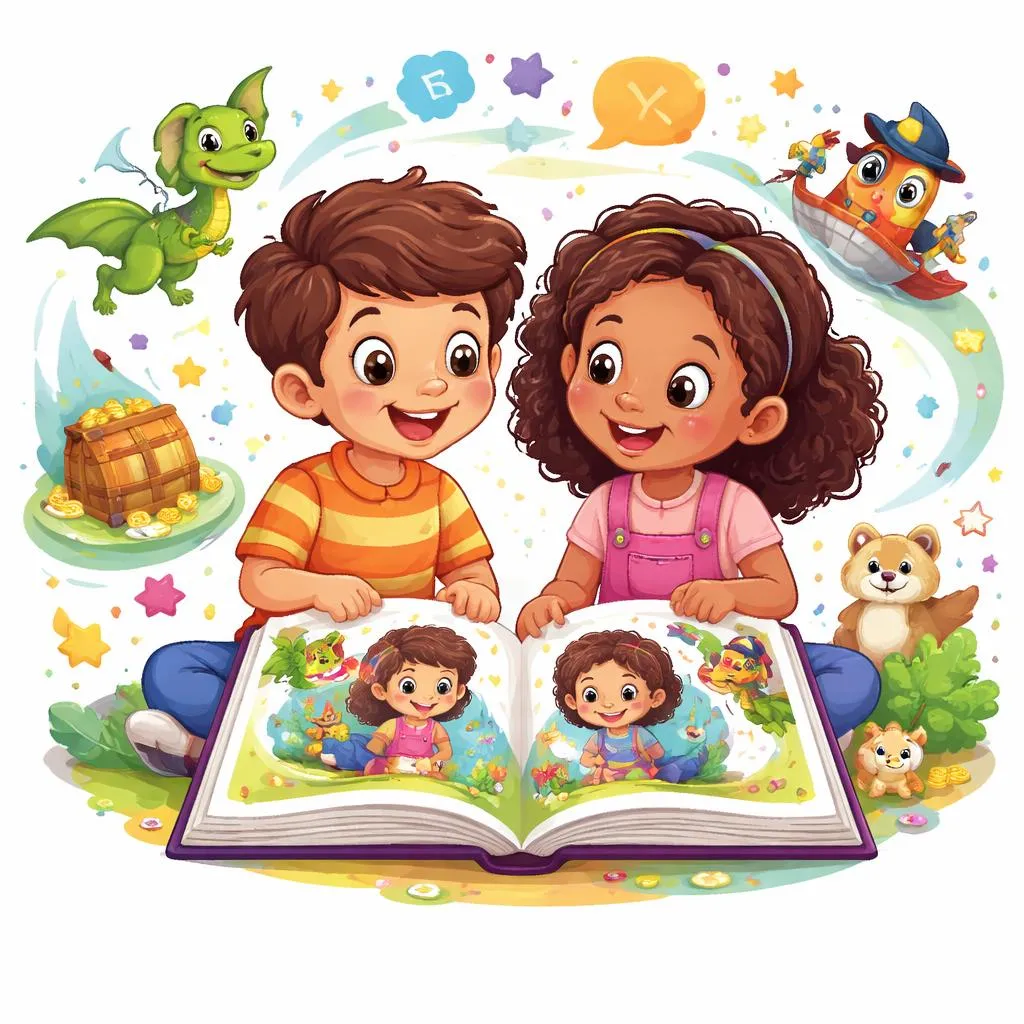

Every child enjoys seeing their own name in print. Recognition creates immediate connection. A personalized children's story book places the reader directly into the narrative. The main character shares their name. The story reflects their characteristics. This personal investment changes how children interact with text. This article explores practical teaching applications for personalized books. The focus remains on language development through customized storytelling. Let us examine how these special books support English learning.
What Is a Personalized Children's Story Book? A personalized children's story book is a narrative customized for an individual child. The child's name appears throughout the text. Physical characteristics may match the child. Friends or family members may appear as characters. The story setting might include familiar places.
These books come from various sources. Some publishers offer online customization. Parents enter child details. The company prints a unique book. Teachers can create simple versions in class. Digital templates allow classroom personalization. Handmade books offer complete flexibility. The common thread involves the child seeing themselves in the story.
Vocabulary Learning Through Personalization Personalized children's story book content creates optimal vocabulary learning conditions. Words gain significance when connected to self. "The park" becomes more meaningful when it resembles a real park the child visits. "The dog" gains importance if it looks like the family pet.
Names become recognizable text. The child's own name appears repeatedly. Names of friends and family appear. These high-interest words motivate reading. Children want to find their name on each page.
Descriptive words connect to personal characteristics. "Brave," "kind," "clever," and "curious" describe the child character. These adjectives gain personal meaning. Children internalize these positive descriptors.
Action words describe what the child character does. "Run," "jump," "help," "share," and "discover" appear in personalized contexts. The child sees themselves performing these actions. This visualization supports verb acquisition.
Phonics Points in Personalized Books Personalized children's story book text contains the child's own name for phonics practice. Names offer meaningful decoding opportunities. The child learns the letters in their name first. These letters transfer to other words.
Repeated name exposure builds letter recognition. The same name appears on multiple pages. Each encounter reinforces letter-sound connections. The high motivation of seeing one's name accelerates learning.
Friends' names provide additional practice. Names of classmates appear in classroom versions. Children learn to recognize each other's names. This builds a classroom reading community.
Personalized details create meaningful phonics contexts. The story might mention the child's pet or favorite toy. These familiar words receive focused attention. Children decode words they already know orally.
Grammar Patterns in Personalized Stories Personalized children's story book narratives model grammatical structures with the child as subject. "You are brave" addresses the reader directly. This second-person grammar becomes personally meaningful.
Third-person sections describe the child character. "Emma walked to the forest." "Emma found a secret door." Children see their names in subject position. This reinforces sentence structure understanding.
Possessive forms appear naturally. "Emma's dog" connects to real pets. "Emma's house" connects to real homes. Possessive grammar gains concrete meaning through personalization.
Question forms address the reader. "Do you want to come along?" "Can you help solve the mystery?" Children respond internally to these questions. Question comprehension develops through personal engagement.
Learning Activities with Personalized Books Several activities work well with personalized children's story book materials. Name hunting builds letter recognition. Before reading, ask children to find their name on each page. This creates purpose for page turning.
Character identification connects story to self. Ask children to point to themselves in illustrations. Discuss how the illustrated child is like them. How is the character different? This builds comparison language.
Prediction with personal context activates thinking. "What would you do in this situation?" Children apply their own experiences to story dilemmas. This connects narrative to personal knowledge.
Story extension writing continues the personalized narrative. Children write what happens next to them. They become co-authors of their personalized adventures. This builds writing motivation.
Printable Flashcards from Personalized Stories Flashcards extend the value of personalized children's story book content. Create cards with the child's name and photo. Use these for name recognition practice. The personal connection ensures attention.
Friend and family name cards build social vocabulary. Include names of people who appear in the story. Children practice recognizing important names.
Story-specific vocabulary cards feature key nouns from the narrative. "Castle," "dragon," "treasure," or "forest" appear in many adventure stories. The personalized context makes these words memorable.
Action word cards from the story capture key verbs. "Rescue," "explore," "discover," and "celebrate" appear in personalized adventures. Children connect these actions to their story selves.
Educational Games with Personalized Content Games transform personalized children's story book material into interactive experiences. Name bingo works well with classroom sets. Create cards with student names. Call out names randomly. Students mark their own name or classmates' names.
Story charades with personalized elements engages physical learning. Write story actions on cards. Students act out while others guess. The personal connection increases engagement.
Match game pairs names with photos. Create cards with student names and cards with student photos. Players match names to faces. This builds name recognition for all students.
Story retelling with puppets brings personalized narratives to life. Create simple puppets representing the child character. Students retell their personalized stories using the puppets. This builds oral language.
Printable Materials for Personalized Lessons Printable materials support structured learning with personalized books. All about me pages connect to story themes. Students draw themselves and write their names. They list favorite things that might appear in stories.
My story map guides comprehension of personalized narratives. Provide spaces for characters, setting, problem, events, and solution. Students complete for their own books.
Name practice sheets build writing skills. Provide tracing and writing practice for the child's name. Connect this to the name appearing in their story.
Vocabulary collectors from personalized stories encourage word awareness. Students list new words from their books. They draw pictures to match. The personal connection supports retention.
Creating Classroom Personalized Books Teachers can create simple personalized books without commercial services. Use templates with blank spaces for names. Insert each child's name in their copy. Add photos of the child when possible.
Class books feature every student. Create a story where the whole class goes on an adventure. Each page features a different child. Students read about themselves and classmates. This builds classroom community.
Digital personalized books offer easy creation. Use presentation software with student photos. Insert names throughout. Display on classroom screens. Print for home reading.
Student authors create personalized books for each other. Children write simple stories featuring classmates. This combines writing practice with personalization. The recipient feels special reading about themselves.
Motivation and Engagement Factors Personalized children's story book content increases reading motivation significantly. Children want to read about themselves. They return to these books repeatedly. Each reading reinforces language patterns.
Ownership develops through personalization. The book belongs specifically to the child. This ownership extends to the language within. Words become "my words" rather than abstract symbols.
Identity formation connects to reading. Children see themselves as characters. They internalize positive traits attributed to their story selves. This builds self-concept alongside language.
Family engagement increases with personalized books. Parents enjoy reading stories featuring their child. Siblings want to hear about their brother or sister. Reading becomes family entertainment.
Differentiation Through Personalization Personalized books naturally differentiate instruction. Each child receives text at their level. Simple versions work for beginning readers. Complex versions challenge advanced readers. The personal connection maintains engagement across levels.
Interest-based personalization targets motivation. A child who loves dinosaurs gets a dinosaur adventure. A child who loves space explores the galaxy. Content matching interests increases attention to text.
Cultural relevance improves through personalization. Stories can include family traditions. They can feature foods from home. They can reflect cultural celebrations. This relevance supports comprehension.
Skill focus can vary by need. Some books emphasize phonics. Others build vocabulary. Others develop comprehension. Personalization allows targeted instruction within engaging contexts.
Home-School Connection Personalized books strengthen home-school connections. Children bring these special books home. Families see what students are learning. They read together with heightened interest.
Family involvement in creation increases investment. Parents provide information for personalization. They suggest story elements. They celebrate finished products. This partnership supports learning.
Bedtime reading with personalized books creates routine. Children request these books repeatedly. Each reading reinforces language. Parents enjoy the repetition because it features their child.
Gift occasions offer opportunities. Birthday personalized books celebrate the child. Holiday versions incorporate seasonal elements. These books become treasured possessions. The language within becomes treasured as well.
Personalized children's story book materials transform reading from abstract skill to personal experience. The child sees themselves as capable of adventure. They encounter their name in print repeatedly. They internalize positive descriptions of themselves. Vocabulary gains meaning through personal connection. Grammar structures become relevant when the child is the subject. Motivation remains high because the content matters personally. These books deserve a place in every language learning environment.