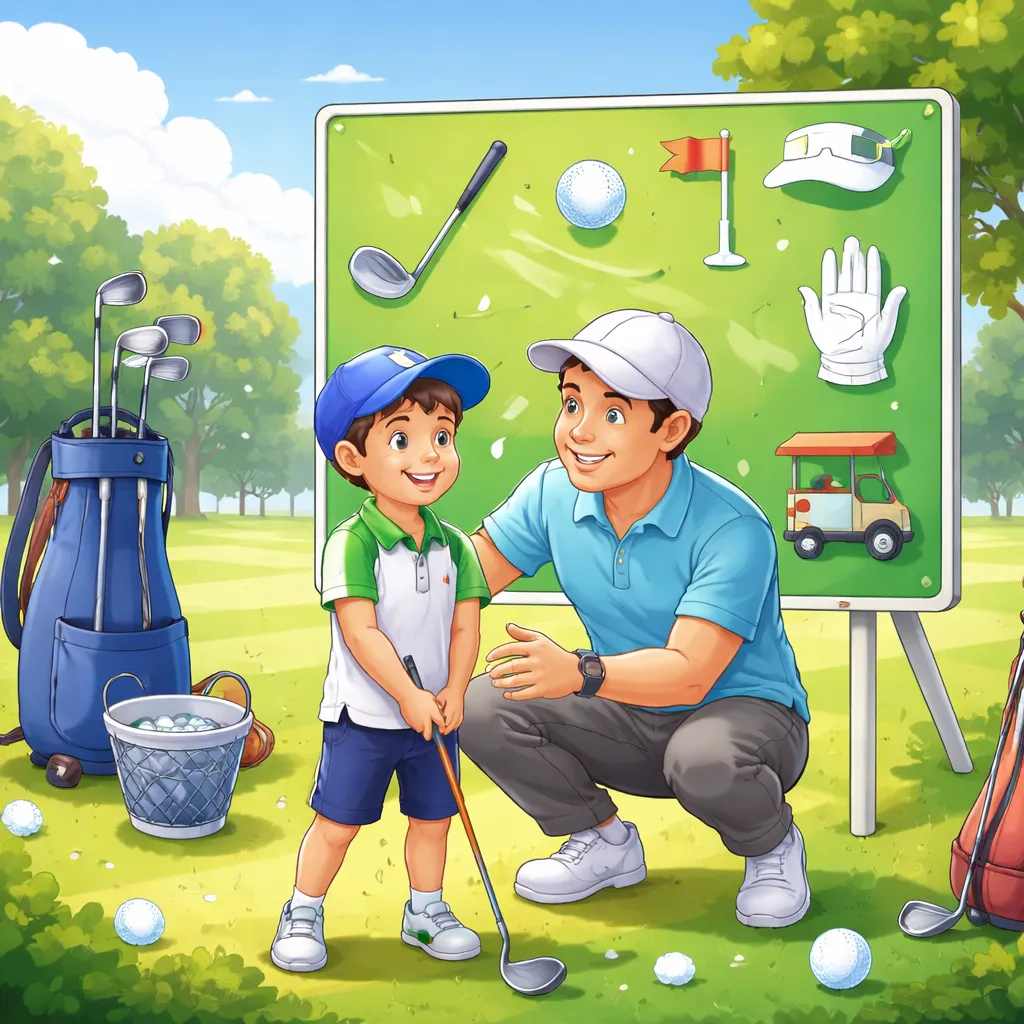

Are Similar Words Really Interchangeable? Many people use the terms golf and club together when they visit a green, grassy field. While these two words are constant partners on the course, they are not interchangeable in a sentence. One refers to the entire sport and the game being played over many holes. The other refers to the specific physical tool that a player swings to hit the small ball.
Understanding the difference helps children speak with much more accuracy and confidence during their English study. If a child says they are "playing club," a native speaker will feel very confused about the activity. If they say they are "playing golf," everyone immediately understands the focus and precision of the game. These small distinctions are the building blocks of clear and professional communication for all young learners.
Learning how these words function together allows parents and children to explore the world of sports more deeply. It moves a student beyond simple memorization and into the world of logical language application. When a learner knows the specific role of each term, they feel like a true expert on the fairway. This foundation makes reading sports news or watching international matches much more engaging for the whole family.
Set 1: Golf vs Club — Which One Is More Common? The word golf is significantly more common because it serves as the official name for a global sport. You see it on television schedules, on school sign-up sheets, and in the titles of famous tournaments. It is a high-frequency noun that describes a broad category of athletic activity and competitive individual play. Because it names the whole sport, children encounter it almost every day in general media.
Club is a more specific word that players and fans use when discussing the equipment used in the game. While it is a common word among athletes, it appears less frequently in general academic or non-sporting textbooks. It is a specialized term that focuses specifically on the long-handled tool used to strike the ball. You might hear it more often in a pro shop or during a practice session.
In daily conversation, "golf" is the primary word for describing a child's weekend plans or their favorite physical hobby. "Club" is the precise term used to describe the excitement of choosing a new piece of athletic gear. Both words are essential for a full vocabulary, but "golf" is the broader starting point for most students. Knowing which one is more common helps a child prioritize their learning and sound more natural.
Set 2: Golf vs Club — Same Meaning, Different Contexts We use the term golf when we want to discuss the rules, the matches, or the professional players. For example, a parent might say, "We are going to watch a professional golf tournament this Sunday." In this context, the focus remains on the event, the competition, and the overall spirit of the sport. It describes the big picture of the activity that is happening on the expansive outdoor course.
We use the term club when we are focusing on the physical mechanics of hitting the ball toward the hole. If a child makes a great shot, a coach might say, "Make sure you choose the right club for this distance." Here, the word provides a specific focus on the equipment and the movement of the player's arms. The context shifts from the general idea of the game to the physical objects being used.
Think of it like the difference between "painting" and a "brush" in a colorful art studio at school. "Golf" is the activity and the skill set, much like the process of creating a beautiful masterpiece. The "club" is the essential tool that makes the activity possible, like the brush used to apply the paint. Using these contexts helps children visualize how people use tools to participate in the world of sports.
Set 3: Golf vs Club — Which Word Is “Bigger” or More Emphatic? Golf is the "bigger" word because it represents a massive global culture with millions of fans and players. It encompasses the history of the sport, the famous green jackets, and the quiet concentration of the players. When a student says, "I love golf," they are expressing a large interest in a worldwide athletic community. It is an emphatic word that carries the weight of a professional and organized international discipline.
Club is an emphatic word when it is used to describe the quality or the variety of a player's set. Having a "driver club" or a "putter club" is a point of pride for many young athletes. It feels more personal and direct, focusing on the specific instrument that helps a player reach the hole. While it is a smaller object, the "club" represents the technical side of the sport and the player's personal gear.
For a young learner, "golf" feels like a grand landscape of hills and sand traps under a bright blue sky. "Club" feels like the loyal tool they carry in their bag every time they step onto the tee box. One word represents the vast community of the sport, while the other represents the personal effort of the individual. Both words have a strong presence in English and inspire children to work hard toward their goals.
Set 4: Golf vs Club — Concrete vs Abstract The word golf can be both concrete and abstract depending on how a person chooses to use it. It is concrete when you are standing on the grass and playing a round with your family. It becomes abstract when you talk about "the philosophy of golf" or "golf etiquette" during a classroom discussion. This flexibility makes it an interesting word for children to study as they grow their language skills.
Club is almost always a concrete term because it refers to a physical, tangible object made of metal or carbon fiber. You can touch the grip, feel the weight of the head, and see the shine on the shaft. It is very easy for children to point to a club in a store and know exactly what it is. This concrete nature makes it a perfect word for beginners to learn through direct observation.
Bridging these two concepts helps children understand how physical tools are used to participate in abstract systems. A concrete "club" is the tool, but "golf" is the entire system of rules and social traditions. This connection helps children develop a more sophisticated way of describing their experiences and their hobbies. It turns a simple sports lesson into a meaningful exploration of how objects and concepts interact in life.
Set 5: Golf vs Club — Verb or Noun? First Understand the Role In standard English, both golf and club primarily function as nouns that name specific things or activities. You might say, "The golf course is very beautiful today," or "The club is too long for me." In these sentences, the words act as the subjects, providing clear and direct information to the person listening. They identify the "what" of the situation being described by the speaker.
Interestingly, "golf" can also be used as a verb in casual speech, such as "to go golfing." However, "club" has a very different second life as a noun describing a group of people, like a "book club." While "golf" describes the sport, a "golf club" can refer to both the tool and the building where players meet. Understanding these different roles helps children build more creative and flexible sentences in their writing.
Teaching kids to identify the roles of these words prevents them from making common mistakes during their school work. They learn that they "play golf" (using it as a noun) or "need a new club" (using it as a noun). This level of awareness makes their English sound more polished and shows they understand the rules of language. It gives them the right tools to express their passions with both technical accuracy and creative flair.
Set 6: Golf vs Club — American English vs British English In American English, the word "golf" is a standard part of the sports vocabulary used in many local communities. Americans often use the term "golf club" to refer to the private social organization where people play. You will find that many children in America are introduced to the game through "mini-golf," which is a fun version. The language used is very direct and reflects the sport's popularity as a family recreation.
In British English, "golf" has a very deep and ancient history, especially in places like Scotland. British English speakers also use the word "club" to describe the tool, but they might be more formal about "clubhouse" rules. At famous events like the Open Championship, the language used can feel very traditional and full of history. Most children in London or New York will perfectly understand each other when talking about their favorite game.
Despite these small regional flavors, the core meaning of these words remains a universal bridge for kids everywhere. A golf club is a recognizable shape whether you are in Australia, South Africa, or the United Kingdom. Learning that language can have different "styles" in different countries is a fun way to encourage a global mindset. It shows children that they are part of a worldwide team of students who share the same interests.
Set 7: Golf vs Club — Which Fits Formal Situations? Golf is the formal name of the sport used by the Olympics, international associations, and every official school board. If a child is writing a formal essay or an application for a sports program, "golf" is the necessary choice. It sounds academic, professional, and shows that the student understands the official structure of the athletic world. Using the formal name indicates a high level of respect and dedication to the subject.
Club is a formal term when it is used to describe the technical specifications of equipment in an official rulebook. For example, professional regulations might state the exact materials and length allowed for a "golf club" in a match. While it is a common object, it is also a precise piece of engineering that must follow specific standards. Knowing this helps children realize that even sports involve careful measurement and scientific rules.
Guiding children to choose the right word for the right situation is a key part of their social and educational development. When they use "golf" in a formal presentation, they sound prepared and mature for their learning level. When they use "club" in a technical way, they show they have a "scientist's eye" for the details of equipment. Formal language is a tool that helps children communicate their big ideas with authority and clarity.
Set 8: Golf vs Club — Which One Is Easier for Kids to Remember? Golf is often easier for children to remember because it is a short, four-letter word that is associated with being outside. Most kids recognize the sound of the word quickly and associate it with the small white ball and the green grass. The name is easy to say and easy to spell, making it a favorite for younger students. It is one of the first specific sports words that many children master when learning English.
Club is also easy to remember because it is a familiar word used in many different parts of life. Children might belong to a "drama club" or a "science club," so they already know the sound of the word. Its physical shape as a tool is very memorable, and it is a fun word to spell and write during phonics lessons. This familiarity makes the word stick in the brain much more effectively over time.
To help a child remember both, parents can use the "Swing and Hole" memory trick during a backyard session. You "swing the club" (the physical action) to "play golf" (the overall goal) to keep the concepts clear. This hands-on practice ensures that the words are linked to physical movements and positive emotions in the child's mind. When learning is tied to fun activities, it becomes a permanent part of their memory.
Mini Exercise: Can You Spot the Differences Between These Similar Words? Are you ready to test your knowledge and see if you can tell these two sports words apart? Read the sentences below and decide whether the word golf or club is the best fit for each blank space. This is a great way for parents and kids to work together while improving their reading and logic. Let's see if you can get all four correct!
My grandfather loves to play ______, and he walks many miles on the course every morning.
Please make sure to clean the head of your ______ after you hit the ball out of the sand.
The ______ tournament was very quiet because everyone was concentrating on their shots.
I need a shorter ______ because this one is too tall for me to swing correctly.
How did you do on our mini-quiz? For sentences one and three, "golf" is the best choice because it refers to the sport and the tournament. For sentences two and four, "club" is correct because it refers to the physical equipment in your hand. If you got them all right, you are ready to be the star of your own vocabulary team!
Parent Tips: How to Help Kids Learn and Remember Similar Words Helping your child learn new words is most successful when it is part of the activities they already love. If your child enjoys being active, use their time on the green to introduce terms like "putt," "swing," and "tee." Instead of a long list, these words become part of the exciting story of their game and their progress. This makes the language feel useful and worth remembering for their future matches and conversations.
Encourage your child to "narrate" their own game as if they were a professional sports announcer on the radio. Ask them to say things like, "She picks up the club... she prepares for golf... she hits a beautiful shot!" This active use of language helps bridge the gap between knowing a word and being able to use it correctly. It also builds their confidence in speaking English aloud in a very fun and low-pressure environment.
Keep a "Sporty Word Chart" on the wall where you can add new terms as your child discovers them in books. You can even draw a picture of a club and label the different parts, like the "grip" and the "head." Seeing the words every day helps with spelling and ensures they become a permanent part of your child's vocabulary. Your encouragement and participation make every new word a fresh opportunity for success and a love of learning.
Exploring the world of athletics through English is a wonderful way to build a child's mind and body at the same time. By understanding the specific roles of golf and club, children gain a clearer view of the world and how to describe it. These words are not just for games; they are the tools that help us share our dreams and achievements with others. Keep playing, keep talking, and enjoy every moment of this incredible educational adventure together as a family.