What is "Jolly Old St Nicholas"? "Jolly Old St Nicholas" is a classic Christmas carol. It tells the story of Santa Claus bringing gifts to children. The song is joyful and easy to sing. It has been popular for generations and is perfect for young learners. Children can sing along while learning vocabulary, rhythm, and English sounds. The song usually starts with: Jolly old St. Nicholas, lean your ear this way Don’t you tell a single soul what I’m going to say Christmas Eve is coming soon, now, you dear old man Whisper what you’ll bring to me, tell me if you can Simple, repetitive lyrics make it easy to remember. The melody is gentle and flows naturally with the words. Lyrics and Story The lyrics describe children asking Santa for gifts. It mentions items like dolls, sleds, and candy. This provides concrete vocabulary for children. The song tells a story in a simple sequence, helping children understand narrative structure. Using the lyrics, children learn: • Asking questions politely: “Whisper what you’ll bring to me” • Future intentions: “I’ll get a little toy” • Seasonal words: Christmas, gifts, Santa, tree The story encourages imagination. Children picture Santa delivering presents and imagine their own gifts. This makes learning engaging and memorable. Vocabulary Learning The song introduces vocabulary naturally. • People: Santa, children • Objects: gifts, toys, doll, sled • Actions: whisper, bring, ask, get • Holiday terms: Christmas, Christmas Eve Repeating these words in a song helps children remember pronunciation and meaning. It also expands their vocabulary with seasonal and action words. Phonics Points The lyrics emphasize sounds and pronunciation: • Long vowels: “see,” “tree,” “me” • Short vowels: “gift,” “sled,” “man” • Consonant blends: “st,” “cl,” “br” Singing helps children practice rhythm and articulation. The repeated patterns of rhyming words like “way” and “say” make phonics learning fun. Grammar Patterns The song introduces basic sentence structures: • Statements: “Christmas Eve is coming soon” • Questions: “Tell me if you can” • Imperatives: “Lean your ear this way” Children learn how to form questions, polite requests, and statements naturally through repetition. They also practice subject-verb agreement in a playful context. Daily Life Examples The song connects to children’s experiences during Christmas. It mentions gifts and holiday activities. Teachers and parents can link words in the song to real objects: • Show a doll or a small toy while singing • Talk about decorating a tree • Discuss Christmas Eve traditions This contextual learning strengthens memory and makes English relevant. Printable Flashcards Flashcards reinforce words from the song. Cards can include pictures of gifts, Santa, and actions from the lyrics. Children can match cards to the words while singing. • Doll – picture of a doll • Sled – image of a sled • Candy – colorful candy illustration Tracing letters, coloring pictures, or arranging cards in order strengthens visual and kinesthetic memory. Learning Activities Activities make the song interactive: • Sing-Along: Children follow lyrics on a screen or paper. • Gift Matching: Match gift cards to lyrics mentioned. • Act It Out: Pretend to be Santa delivering gifts. • Fill-in-the-Blank: Pause the song and ask children to guess the missing words. These activities reinforce listening, reading, and speaking skills. They also make learning festive and engaging. Educational Games Games bring fun and reinforce concepts: • Musical Chairs Lyrics: Play the song; children move and stop at a word. • Memory Game: Match cards with song vocabulary. • Santa Relay: Children pass gifts while singing lines from the song. • Rhyming Challenge: Find words that rhyme with words from the lyrics. Games make learning dynamic and encourage teamwork and participation. Combining Music and Learning Music improves memory retention. Melody, rhythm, and repetition help children remember words and sentences. Songs like "Jolly Old St Nicholas" support multisensory learning. Children sing, listen, move, and visualize while learning new vocabulary. Tips for Learning the Song Start with one verse at a time. Repeat lines often to build confidence. Add gestures or props for key words. Encourage children to sing loudly and clearly. Use the song in classroom activities or home practice. Creative Variations Children can create their own versions of the song: • Change gifts mentioned to favorite toys or objects • Add lines about family traditions • Include new rhyming words for fun This allows children to explore creativity, language, and rhythm. Performing or recording the song can boost confidence and enjoyment. Connecting to Other Christmas Songs The song can be combined with other seasonal songs: • Silent Night – for slower, calm practice • We Wish You a Merry Christmas – for group singing and rhythm • Rudolph the Red-Nosed Reindeer – for vocabulary expansion Combining songs helps children learn more vocabulary, sentence structures, and concepts about holidays. Benefits of Singing Singing this song teaches language and enhances social skills. Children learn rhythm, melody, and pronunciation in context. It connects reading, speaking, and listening naturally. Through repetition, songs like this build confidence and enjoyment in English. Music and storytelling together create a powerful learning tool. Children remember lyrics, words, and concepts more effectively. Singing about Santa, gifts, and Christmas helps children connect with culture while practicing language skills. Summary of Educational Value • Reinforces holiday vocabulary and festive concepts • Introduces basic grammar and sentence structures • Supports phonics and pronunciation practice • Engages multiple senses through singing, movement, and visual aids • Encourages imagination and creativity "Jolly Old St Nicholas" combines holiday fun with English learning. It provides a joyful, interactive, and effective way to practice language skills. Through singing, acting, and games, children gain both knowledge and confidence in a festive, inspiring way.
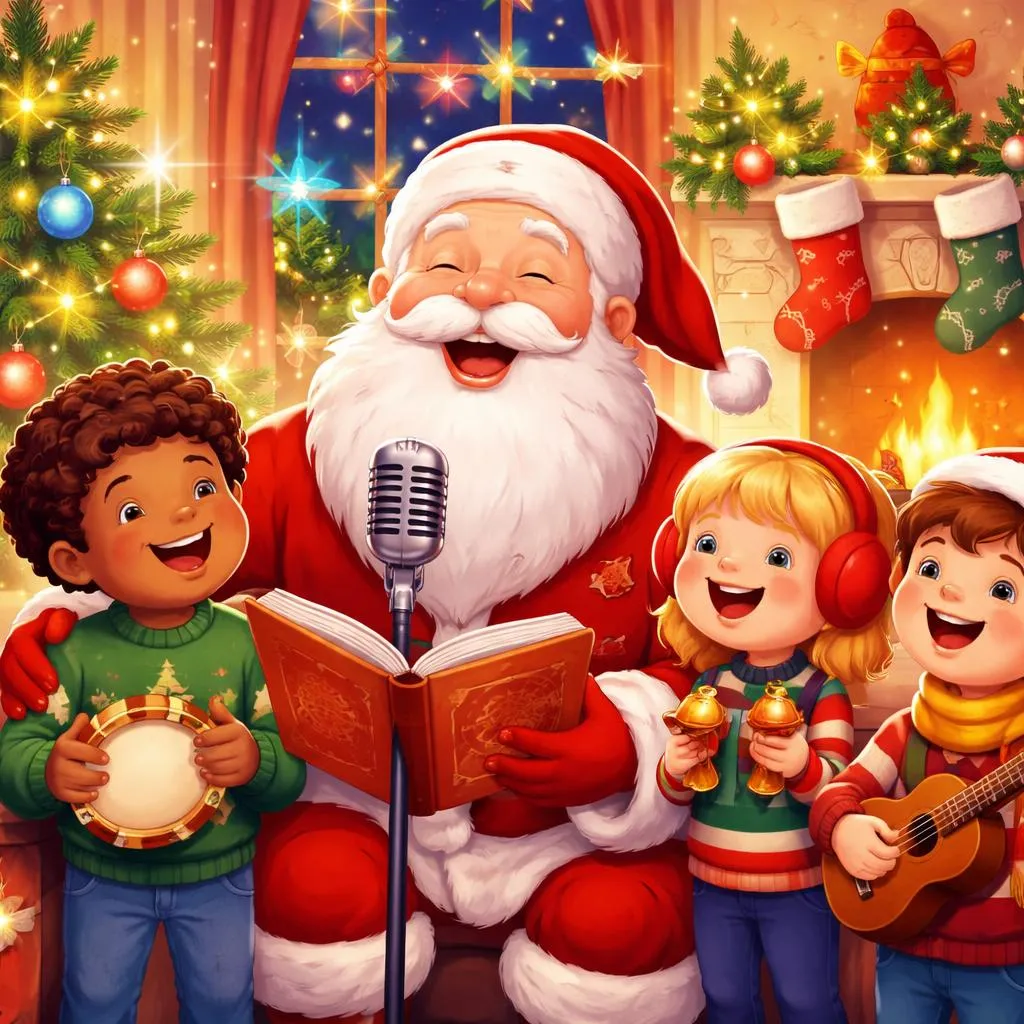
Jolly Old St Nicholas Lyrics: Fun Ways for Kids to Learn and Sing
