
Meaning of the to do verb
The to do verb is one of the most important verbs in English. It shows action, activity, or tasks. It can also help form questions and negatives.
The word “do” means to perform an action. The word “does” is the form used with he, she, and it. The word “did” is the past form.
The to do verb can stand alone. It can also help other verbs in a sentence. This makes it both a main verb and a helping verb.
Understanding the to do verb helps build strong English sentences.
Conjugation of the to do verb
Conjugation means changing the verb form based on the subject and time.
Present forms include do and does. Past form is did. Future form uses will do.
These forms appear in many daily conversations and stories.
Present Tense of the to do verb
The present tense talks about things that happen now or regularly.
Use “do” with I, you, we, and they. Use “does” with he, she, and it.
Examples help show the pattern clearly.
I do homework every day. You do a great job. We do projects at school. They do sports after class.
He does puzzles. She does art. It does tricks.
The present tense often describes habits and routines.
Past Tense of the to do verb
The past tense talks about actions that already happened.
The past form of do is did. Did stays the same for all subjects.
Examples make the pattern easy to see.
I did a drawing yesterday. You did well on the test. We did a science experiment. They did a show. He did a puzzle. She did a song. It did a funny move.
The word did shows that the action is finished.
Future Tense of the to do verb
The future tense talks about actions that will happen later.
Use “will do” for all subjects.
Examples show future meaning.
I will do my project tomorrow. You will do great things. We will do a game. They will do a trip. He will do a race. She will do a dance. It will do a trick.
The word will shows future time.
Questions with the to do verb
The to do verb helps form questions in English.
Use do or does in present tense questions. Use did in past tense questions.
Present tense question examples:
Do you like stories? Do we have class today? Do they play music?
Does he like math? Does she read books? Does it work?
Past tense question examples:
Did you watch the show? Did we finish the project? Did they go to the park?
The helping verb comes first in the question.
Other Uses of the to do verb
The to do verb has many special uses.
It can replace another verb. “I like apples.” “So do I.”
It can add emphasis. “I do like this song.”
It can form negatives. “I do not like rain.” “She does not like loud noise.” “They did not go outside.”
It can appear in commands. “Do your best.” “Do not touch that.”
The to do verb is flexible and powerful.
Learning Tips for the to do verb
Practice with short sentences every day. Read stories that include do, does, and did. Sing songs that use the to do verb. Act out sentences with gestures and movements. Draw pictures that match sentences with do.
Repetition builds confidence and accuracy.
Educational Games with the to do verb
Games make grammar practice fun and active.
A sentence building game can use cards with subjects and verbs. A question game can involve asking and answering with do and does. A past tense game can involve storytelling with did. A future plan game can involve speaking with will do.
Role-play activities can use daily routines like “do homework” or “do chores.” Memory games can match sentences with pictures.
How the to do verb Supports Language Development
The to do verb appears in basic and advanced English. It helps build sentence structure and grammar awareness.
It supports question formation, negative sentences, and emphasis. It helps connect ideas and actions. It builds confidence in speaking and writing.
Early practice with the to do verb supports later grammar learning.
Daily Life Examples of the to do verb
The to do verb appears in everyday situations.
Do homework. Do chores. Do sports. Do art. Do reading.
It also appears in polite expressions.
“How do you do?” “Please do come in.”
It appears in classroom language.
“Do you understand?” “Do the exercise.”
It appears in family conversations.
“What do you want to do?” “We will do dinner soon.”
Printable Flashcards for the to do verb
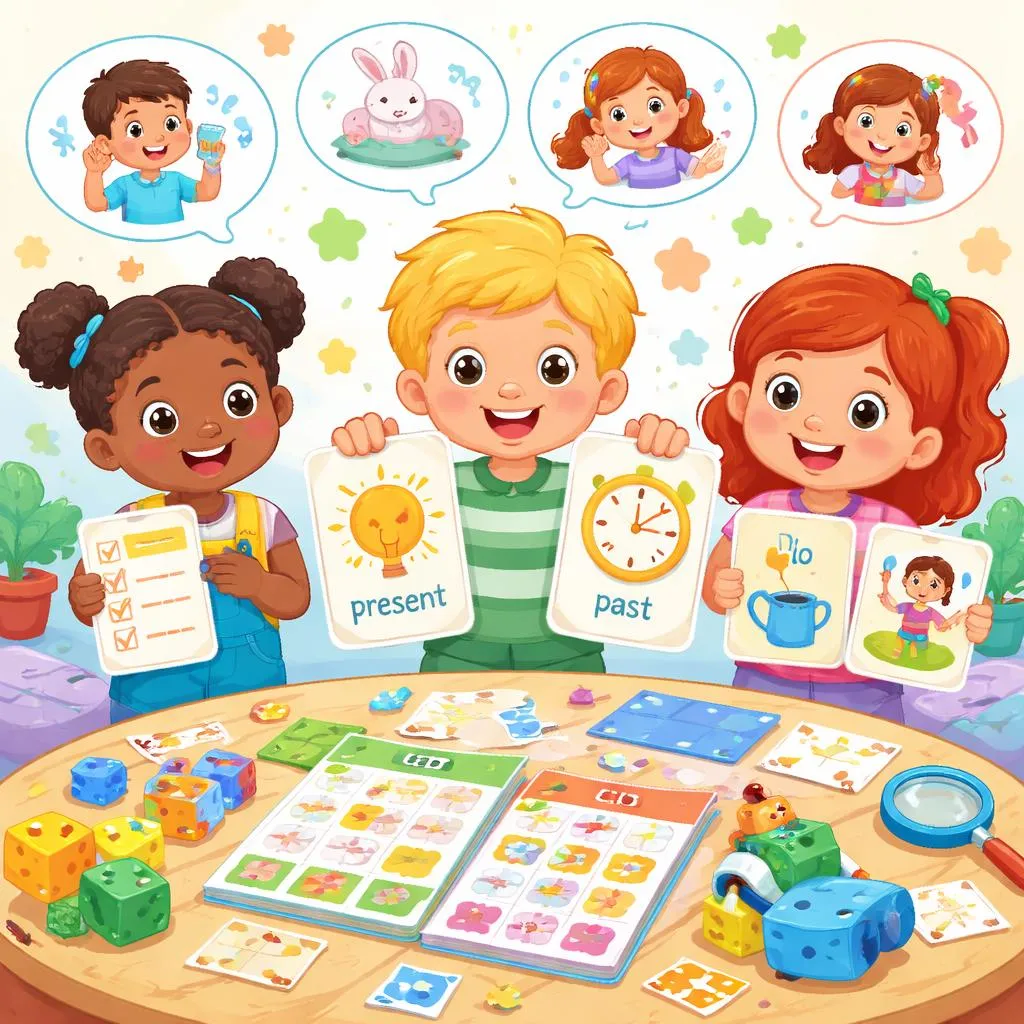
Flashcards can show do, does, did, and will do with pictures.
A card with “do” can show someone cleaning. A card with “does” can show a person drawing. A card with “did” can show someone finishing a task. A card with “will do” can show future plans.
Sentence cards can match pictures with actions.
These materials support reading and speaking practice.
Learning Activities with the to do verb
Writing short journals with do, does, and did supports literacy. Storytelling activities can use did to describe past events. Planning activities can use will do to talk about the future. Conversation circles can use do and does for questions.
Art activities can include drawing daily routines and labeling them with do.
Drama activities can include acting out sentences with do verbs.
Common Mistakes with the to do verb
Some learners mix do and does. Some forget to use did in past tense questions. Some place do incorrectly in sentences.
Clear examples and repeated practice help avoid these mistakes.
Simple correction and modeling support accurate usage.
Phonics and Pronunciation of the to do verb
The word “do” has a long /uː/ sound. The word “does” often sounds like /dʌz/. The word “did” has a short /ɪ/ sound.
Listening and repeating help improve pronunciation. Chanting and songs can support sound practice.
Integrating the to do verb into Reading and Writing
Reading simple stories that use do and did supports comprehension. Writing sentences with daily actions supports grammar practice.
Sentence frames can help structure writing.
“I do…” “He does…” “We did…” “They will do…”
These frames support early writing confidence.
Creative Projects with the to do verb
A daily routine chart can use do and does. A past adventure story can use did. A future dream poster can use will do.
Comic strips can include characters speaking with do verbs. Songs and chants can include repeated do patterns.
Cultural and Language Importance of the to do verb
The to do verb appears in many idioms and expressions.
“Do your best.” “Do not worry.” “Do the right thing.”
It also appears in polite requests.
“Do you mind?” “Please do sit down.”
Understanding these expressions supports real-world communication.
Technology and Digital Practice with the to do verb
Interactive apps can quiz do, does, and did. Online games can build sentences and questions. Digital flashcards can reinforce forms and meanings. Voice recording tools can support pronunciation practice.
These tools combine language learning with technology skills.
Social and Emotional Learning with the to do verb
Using the to do verb supports expressing actions and feelings.
“I do feel happy.” “I do care.”
This language supports empathy and communication.
Group activities with do verbs encourage cooperation and sharing.
Long-Term Benefits of Mastering the to do verb
Strong understanding of the to do verb builds a foundation for English grammar. It supports reading comprehension, writing skills, and speaking confidence.
The patterns learned with do help understand other auxiliary verbs like be and have.
Clear practice with the to do verb creates strong sentence structure and accurate communication.
Every sentence built with do, does, and did adds power to language skills and opens doors to clear and confident English expression.