
What Is the Rhyme “bingo song “
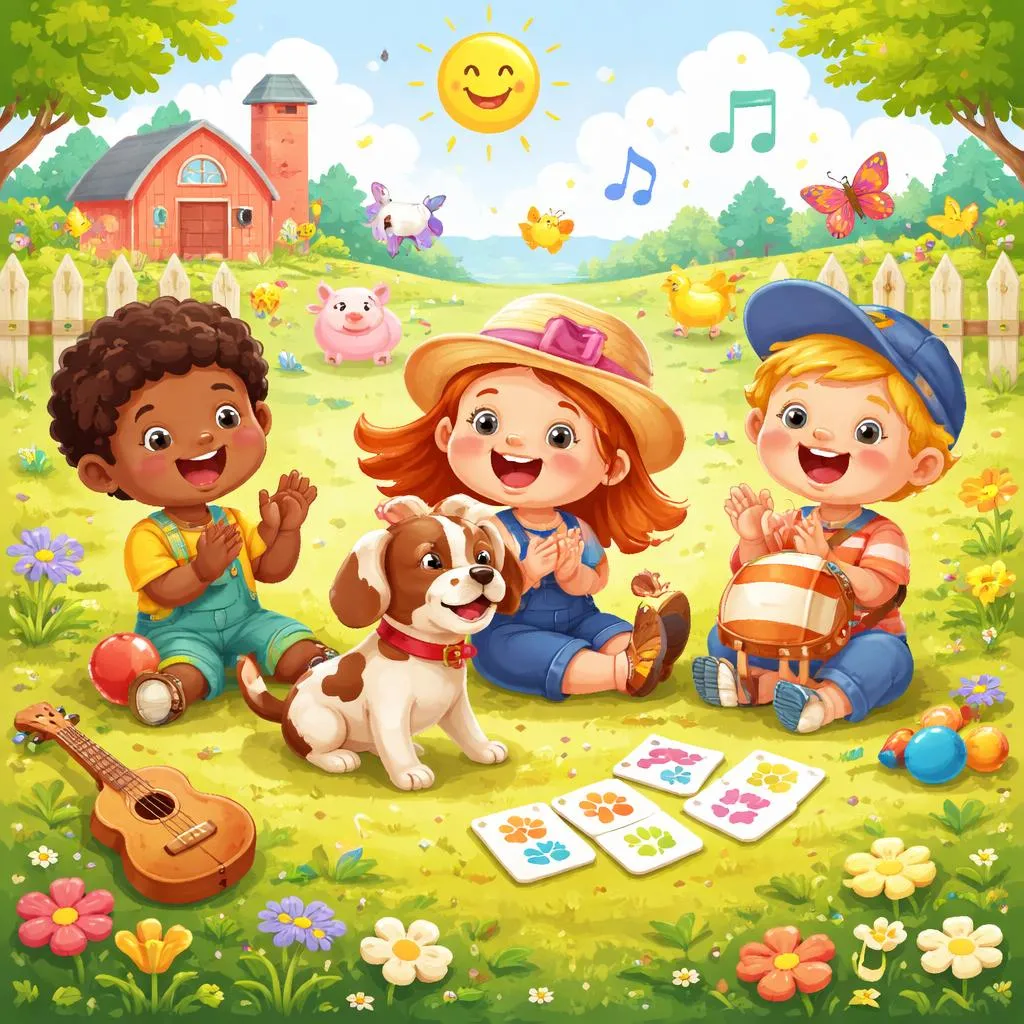
The bingo song “ is a traditional English nursery rhyme. It features a farmer and a dog named Bingo. The song uses rhythm, spelling, and repetition. These features make it ideal for early language learning.
In classroom settings, this rhyme supports listening, speaking, and phonics skills. The playful clapping pattern also adds movement and fun.
Lyrics of the bingo song “
The bingo song “ includes repeated lines and spelling patterns. A common classroom version is shown below.
There was a farmer who had a dog, And Bingo was his name-o. B-I-N-G-O, B-I-N-G-O, B-I-N-G-O, And Bingo was his name-o.
In later verses, letters are replaced with claps. This creates rhythm and reinforces spelling awareness.
Vocabulary Learning with the bingo song “
This rhyme introduces basic words that appear in daily life.
Farmer relates to farm and animals. Dog connects to pets and animals. Name links to personal identity and introductions.
These words appear in simple sentences and classroom routines. Vocabulary from songs often stays in memory longer due to rhythm and melody.
Phonics Points in the bingo song “
The bingo song “ supports phonics instruction in a natural way.
The letter sounds in B-I-N-G-O help with spelling awareness. Each letter is spoken clearly. This builds letter recognition and sound-letter mapping.
The rhyme also includes common English sounds such as /f/ in farmer and /d/ in dog. These sounds appear frequently in early reading materials.
Grammar Patterns in the bingo song “
Simple sentence structures appear in the rhyme.
“There was a farmer who had a dog” shows past tense structure. “Bingo was his name” introduces possessive meaning and identity.
These patterns support early grammar recognition without formal grammar explanation. Songs provide contextual grammar exposure.
Meaning and Explanation of the Story
The story is simple and friendly. A farmer owns a dog named Bingo. The dog’s name is spelled in a fun way.
This narrative supports storytelling skills. The rhyme encourages imagination and introduces a setting, a character, and a repeated theme.
Categories and Language Concepts in the bingo song “
This rhyme connects to several early learning categories.
Animals and pets appear through the dog character. People and occupations appear through the farmer. Letters and spelling appear through the name spelling pattern. Music and rhythm appear through singing and clapping.
These categories align with early childhood curriculum goals.
Daily Life Examples Related to the bingo song “
Classroom routines can connect the rhyme to daily language use.
Introducing names in class can use a similar spelling chant. Pet topics in science lessons can connect to Bingo the dog. Farm themes in social studies can link to the farmer character.
These connections help integrate language learning across subjects.
Learning Activities for the bingo song “
Singing with clapping supports listening and motor skills. Each verse removes one letter and replaces it with a clap. This pattern trains memory and sequencing skills.
Name spelling activities follow the same structure. Each student name can be spelled with claps. This builds phonics and spelling confidence.
Drawing activities support comprehension. A farm scene with a dog encourages storytelling and descriptive language.
Role-play activities can include acting as the farmer or the dog. This builds speaking confidence in a playful environment.
Printable Materials for the bingo song “
Printable flashcards with letters B, I, N, G, and O support spelling practice.
Song lyric sheets help with reading and tracking text while singing.
Farm and dog picture cards support vocabulary review.
Mini-books with the bingo story support early reading practice.
Educational Games with the bingo song “
A clapping challenge game builds rhythm skills. Each round removes one letter and increases difficulty.
A spelling race game uses letter cards to spell BINGO quickly. This supports letter recognition and spelling speed.
A listening game plays the song and pauses before a letter. Learners guess the missing letter.
A bingo card game can include farm animals and letters. This links the rhyme to game-based learning.
Teaching Tips for the bingo song “
Songs should be repeated daily for best results. Repetition builds automatic language processing.
Gestures and actions improve comprehension. Clapping, pointing, and acting out roles make the song memorable.
Visual aids support understanding. Pictures of a farmer, a dog, and letters reinforce meaning.
Short practice sessions maintain attention. Singing once or twice per day builds familiarity without fatigue.
Story Extension Activities
Short story prompts can extend the rhyme.
“The farmer has another animal.” “Bingo goes on an adventure.” “The farm has many animals.”
These prompts encourage simple storytelling and sentence building.
Integration with Early Literacy Skills
The bingo song “ supports several literacy skills.
Letter recognition through spelling. Phonemic awareness through sound repetition. Print awareness through lyric sheets. Comprehension through story context.
Music-based literacy instruction increases engagement and retention.
Classroom Language Connected to the bingo song “
Simple classroom phrases connect naturally to the rhyme.
Spell your name. Clap your hands. Sing the song. Point to the letters.
These phrases reinforce daily classroom communication.
Cultural and Historical Notes
The bingo song “ is part of English-speaking culture. It has been sung for many generations. The rhyme appears in schools, homes, and children’s programs.
Learning traditional songs supports cultural awareness and global communication skills.
Creative Projects Inspired by the bingo song “
Craft activities can include making a paper dog named Bingo.
Farm diorama projects can include a farmer, animals, and a barn.
Letter art projects can decorate the letters B-I-N-G-O.
Creative projects support fine motor skills and language integration.
Assessment Ideas Using the bingo song “
Informal assessment can occur during singing and clapping. Observing participation shows comprehension and engagement.
Spelling activities assess letter recognition.
Drawing and storytelling activities assess understanding of the story.
These assessments feel natural and stress-free for young learners.
The bingo song “ remains a powerful teaching tool in early English education. Rhythm, repetition, and storytelling create a rich learning environment. Songs like this build strong foundations in phonics, vocabulary, grammar, and confidence in communication.