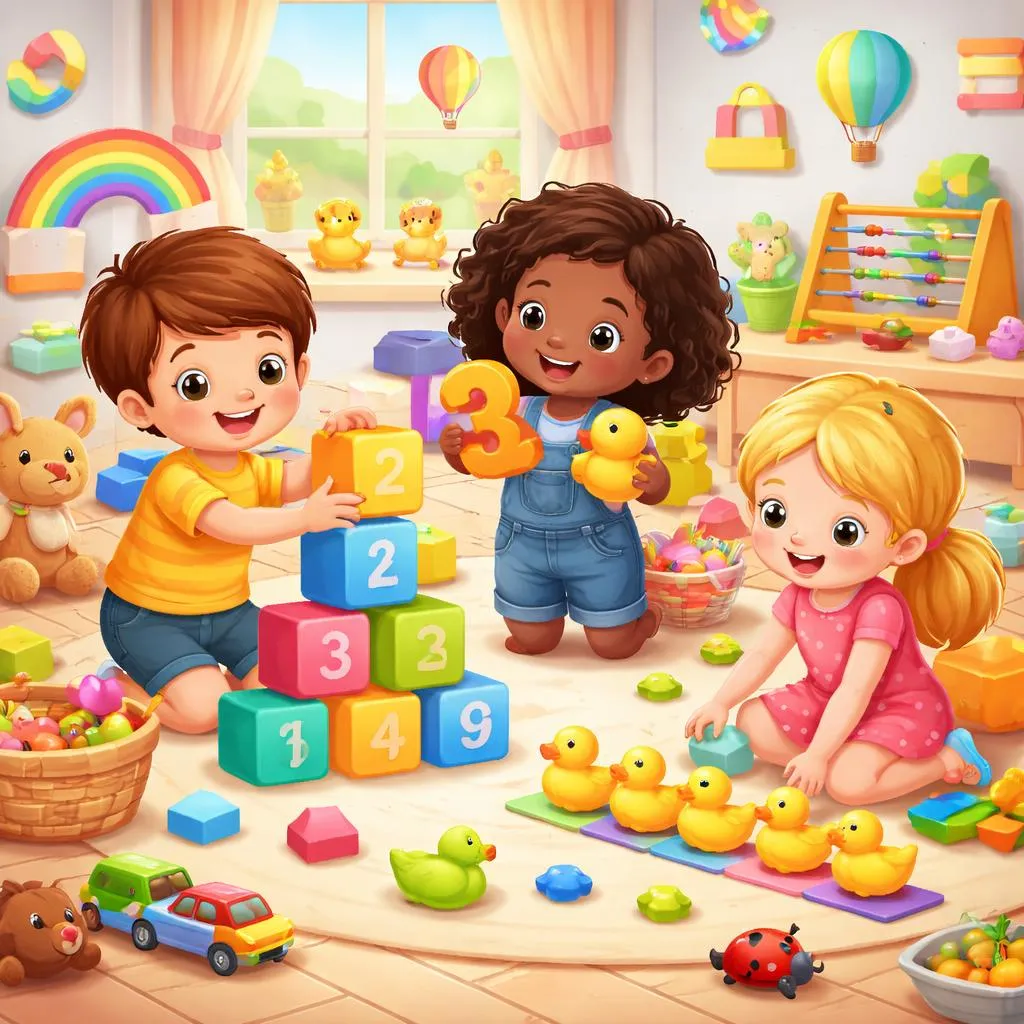

What Is learning numbers?
Learning numbers means understanding how numbers look, sound, and work in daily life. Numbers help count objects, tell time, share food, and understand money. This topic builds a strong foundation for math, logic, and problem-solving.
In early education, learning numbers starts with simple counting. It grows into adding, subtracting, and recognizing patterns. Each step builds confidence and curiosity.
Learning numbers also supports language development. Number words expand vocabulary and listening skills. Songs and stories make numbers memorable and fun.
This guide explains how learning numbers works in simple and clear ways. Practical ideas help support children, parents, and teachers in everyday learning moments.
Meaning and Explanation of learning numbers
Learning numbers includes three key skills. Number recognition means identifying number symbols like 1, 2, and 3. Counting means saying numbers in the correct order. Number sense means understanding what numbers represent.
For example, the number 5 can mean five apples, five steps, or five minutes. This understanding connects numbers to real-world meaning.
Learning numbers also involves comparing. Words like more, less, big, and small build math language. These ideas support early problem-solving skills.
Visual aids help learning numbers become concrete. Blocks, beads, fingers, and pictures make numbers easier to understand.
Consistent practice helps numbers become familiar and automatic. Short and playful sessions work best for young learners.
Categories and Lists of Numbers
Learning numbers often begins with small sets. Each category builds on the previous one.
Numbers from 1 to 10
These are the first numbers introduced. They appear in songs, stories, and daily routines. Counting toys, snacks, and steps makes practice natural.
Numbers from 11 to 20
These numbers introduce teen endings like thirteen and fourteen. They help connect counting with place value. Visual grouping with ten and extra ones makes understanding easier.
Numbers from 21 to 100
This range builds counting fluency. Tens and ones patterns become visible. Number charts and games help recognize patterns.
Ordinal Numbers
First, second, and third describe order. These words help describe sequences and routines. Line-up activities and races make ordinal numbers meaningful.
Even and Odd Numbers
Even numbers divide into pairs. Odd numbers leave one extra. Pairing objects like socks or shoes shows this idea clearly.
Daily Life Examples of learning numbers
Learning numbers connects naturally to everyday experiences. Real-life contexts make numbers meaningful and engaging.
Cooking activities show numbers in action. Counting spoonfuls, cups, and pieces builds math language. Timers and clocks introduce time-related numbers.
Shopping introduces prices and quantities. Counting coins and items in a basket strengthens number sense. Simple comparisons like cheaper and more expensive expand vocabulary.
Outdoor play offers many counting opportunities. Counting steps, trees, or cars turns movement into math practice. Scoreboards in games show addition and subtraction naturally.
Classroom routines also include numbers. Attendance counting, calendar dates, and weather charts provide daily practice. These repeated experiences support memory and confidence.
Printable Flashcards for learning numbers
Flashcards are powerful tools for learning numbers. They show number symbols, words, and pictures together. This combination supports visual and language learning.
Each card can include one number, a word, and objects. For example, the number 3 with three stars helps connect symbol and quantity.
Flashcards can support many activities. Sorting, matching, and memory games make practice interactive. Large cards work well for group activities. Small cards suit individual practice.
Printable flashcards can be laminated for durability. Reusable cards encourage repeated practice in different settings.
Learning Activities for learning numbers
Hands-on activities deepen understanding. Play-based learning keeps attention high and stress low.
Counting with physical objects works well. Beans, blocks, and toys help connect numbers with quantity. Grouping objects into sets supports counting and comparison skills.
Drawing and coloring activities support fine motor skills and number recognition. Tracing numbers builds writing skills and muscle memory.
Movement activities make numbers active. Jumping five times or clapping ten times connects movement with counting. Number paths on the floor create interactive learning spaces.
Storytelling with numbers builds language skills. Stories about animals, fruits, or adventures can include counting challenges. This approach combines literacy and numeracy in a natural way.
Educational Games for learning numbers
Games make learning numbers exciting and memorable. They encourage repetition without boredom.
Board games with dice support counting and number recognition. Each roll provides a chance to count spaces and recognize numerals.
Card games with number cards support matching and ordering. Simple rules make these games accessible to young learners.
Digital learning apps can also support learning numbers. Interactive visuals and sounds reinforce concepts. Guided challenges keep learners engaged and motivated.
Role-play games add numbers to imaginative play. Pretend shops, restaurants, and banks introduce counting and simple math tasks.
Teaching Strategies for learning numbers
Clear and consistent strategies support strong learning outcomes. Short lessons with frequent repetition work best.
Multi-sensory methods support different learning styles. Seeing, hearing, and touching numbers creates strong connections.
Songs and rhymes help remember number sequences. Repetition with rhythm supports memory and pronunciation.
Visual supports such as charts and posters keep numbers visible. Constant exposure reinforces learning naturally.
Positive reinforcement builds confidence. Praise effort and progress to encourage persistence and curiosity.
Common Challenges in learning numbers
Some learners confuse similar-looking numbers. Numbers like 6 and 9 or 2 and 5 may look similar at first. Clear visual cues and tracing help reduce confusion.
Number order can also be challenging. Counting forward and backward helps strengthen sequence understanding.
Understanding quantity may take time. Counting objects one by one supports this skill. Using fingers can also support early counting.
Patience and repetition help overcome these challenges. Each small success builds confidence and motivation.
Integrating learning numbers with Language Learning
Numbers support vocabulary development. Number words expand listening and speaking skills.
Counting songs improve pronunciation and rhythm. Chants and rhymes reinforce number sequences naturally.
Storybooks with numbers combine literacy and numeracy. Pictures and text together strengthen comprehension.
Classroom discussions about numbers support communication skills. Questions like “How many?” and “Which is bigger?” encourage speaking.
Creative Projects for learning numbers
Art projects provide creative ways to practice numbers. Number collages using magazine cutouts combine creativity and numeracy.
Number books created by learners can include drawings and simple sentences. This activity supports writing, reading, and math skills.
Building number models with clay or paper supports tactile learning. Three-dimensional numbers help visual and kinesthetic learners.
Music and rhythm activities also support number learning. Counting beats and claps combines math with music education.
Assessment and Progress Tracking in learning numbers
Observation provides valuable insights into progress. Noticing counting accuracy and number recognition helps guide instruction.
Simple quizzes with pictures and numbers check understanding. Games and informal activities also reveal skill levels.
Progress charts motivate continued effort. Visual tracking helps learners see growth over time.
Feedback should focus on effort and improvement. Encouragement supports long-term motivation and positive attitudes toward math.
Cultural and Global Aspects of learning numbers
Numbers appear in every culture and language. Different languages have unique number words and counting systems.
Learning numbers in multiple languages supports cognitive flexibility. Comparing number words across languages deepens understanding.
Cultural stories and games often include numbers. These activities connect math with social and cultural learning.
Exploring numbers around the world adds curiosity and global awareness.
Technology and learning numbers
Technology offers many tools for learning numbers. Interactive apps provide instant feedback and practice opportunities.
Digital flashcards and videos reinforce concepts visually and audibly. Gamified platforms motivate consistent practice.
Virtual manipulatives simulate blocks and counters. These tools support understanding when physical materials are unavailable.
Balanced use of technology supports modern learning environments.
Supporting Emotional Development through learning numbers
Learning numbers also builds emotional skills. Solving number challenges increases confidence and resilience.
Group activities encourage cooperation and communication. Shared successes strengthen social bonds.
Celebrating progress fosters a positive learning environment. Curiosity and joy support long-term engagement with math.
Practical Tips for Daily Practice of learning numbers
Short daily practice sessions work better than long lessons. Repetition across different contexts strengthens memory.
Use everyday moments for counting opportunities. Count steps, toys, or snacks during routine activities.
Visual reminders like number charts support constant exposure. Hands-on materials maintain engagement and understanding.
Encourage curiosity about numbers in the environment. Street signs, clocks, and calendars offer real-world examples.
Learning numbers forms the basis for future math and logical thinking. Early exposure builds confidence, curiosity, and lifelong learning habits. With playful activities, real-life connections, and supportive strategies, learning numbers becomes a joyful and meaningful journey.