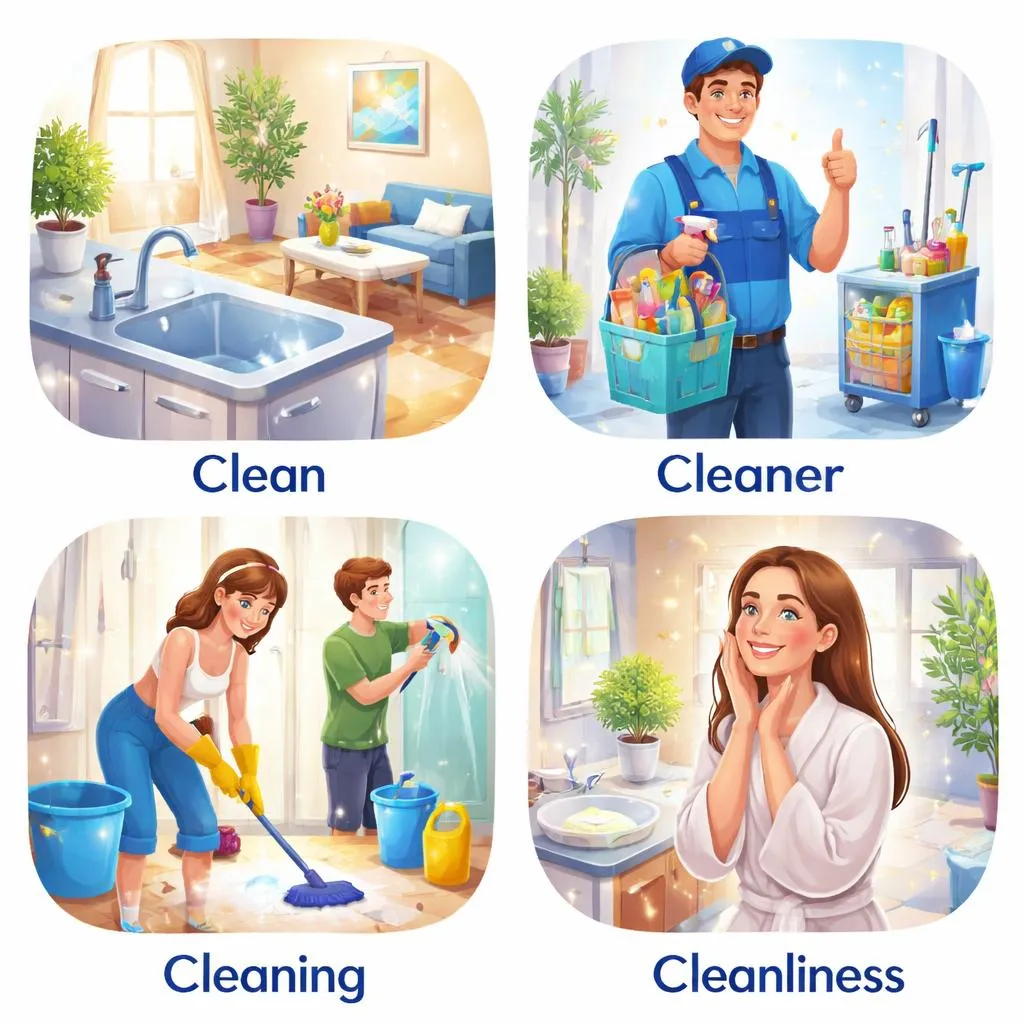

What Does “Same Word, Different Forms” Mean? One root word can grow into four bright forms. “Clear, clarity, clearly, clearance” share one meaning. That meaning is “easy to see, understand, or pass through.” Each form has a different job in a sentence. One word describes something easy to see or understand. One word names the quality of being clear. One word tells how something is done clearly. One word names permission or space to pass. Learning these four forms builds understanding and safety.
Personal Pronouns Change Their Form This rule applies to pronouns like “it and its.” But word families work the same way for other words. “Clear” is an adjective or a verb. “Clarity” is a noun. “Clearly” is an adverb. “Clearance” is a noun. Each form answers a different question. What quality or action? Clear. What thing or state? Clarity. How is something done? Clearly. What space or permission? Clearance.
From Verb to Noun to Adjective to Adverb – One Family, Many Words This family starts with the adjective “clear.” Clear means easy to see or understand. Example: “The instructions were clear.” “Clear” can also be a verb. Example: “Clear the table after dinner.” From “clear,” we make the noun “clarity.” “Clarity” names the quality of being clear. Example: “The teacher explained with great clarity.” From “clear,” we make the adverb “clearly.” “Clearly” tells how something is seen or understood. Example: “She spoke clearly so everyone could hear.” From “clear,” we make another noun “clearance.” “Clearance” names permission or space to move. Example: “The truck needs enough clearance to pass.”
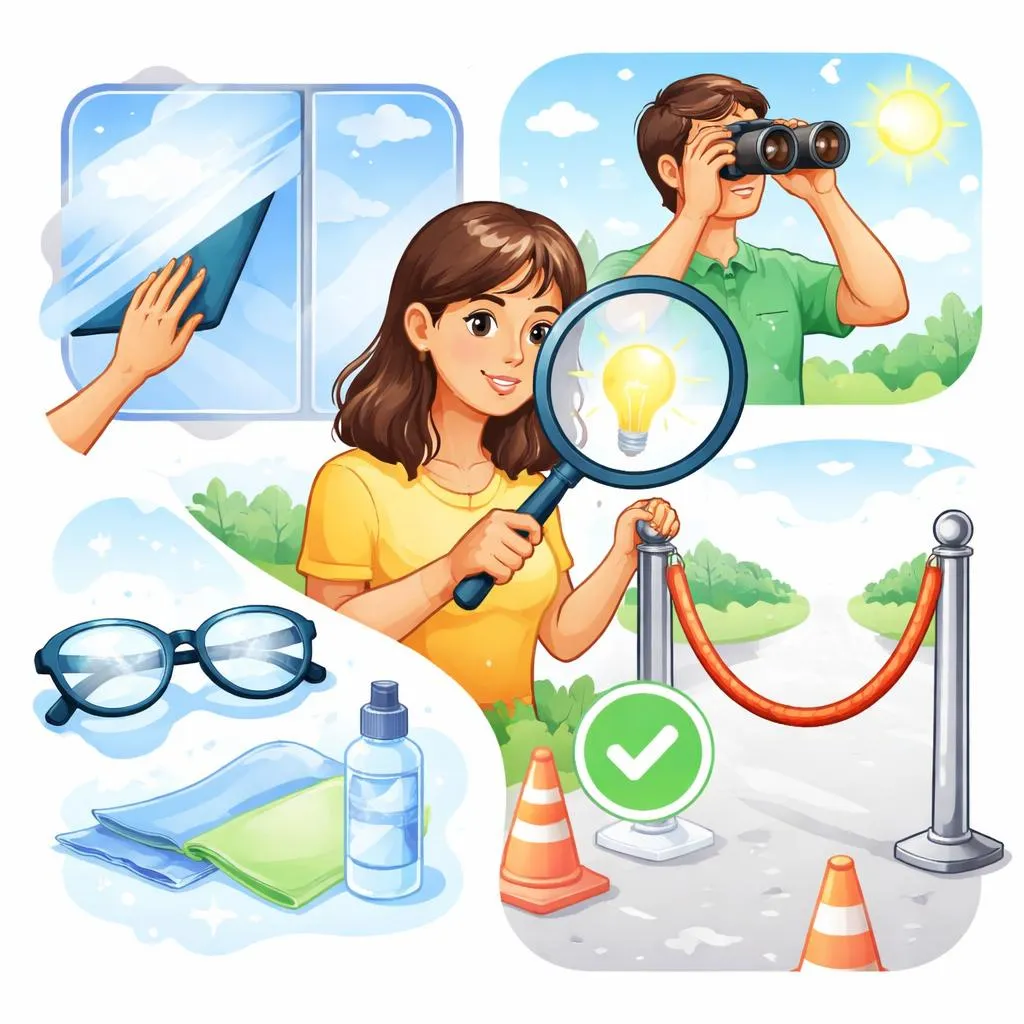
One Root, Many Roles – How Words Grow from Actions to Qualities Think of a window after rain. The glass is “clear” so you can see outside. That is the adjective. The quality of the clean glass is “clarity.” That is the noun. You can see “clearly” through the window. That is the adverb. If a branch blocks the view, you need “clearance” to trim it. That is the space noun. The root meaning stays “free from blockage.” The role changes with each sentence.
Same Meaning, Different Jobs – Is It a Verb or a Noun? “Clear” can be an adjective or a verb. As an adjective: “The sky is clear.” As a verb: “Clear your desk before lunch.” “Clarity” is always a noun. It names the quality of being clear. Example: “The clarity of the photo was amazing.” “Clearly” is always an adverb. It describes how something is done or understood. Example: “You clearly know the answer.” “Clearance” is always a noun. It names space or official permission. Example: “The bridge has a height clearance of ten feet.” Same family. Different jobs.
Adjectives and Adverbs – When Do We Add -ly? “Clear” becomes “clearly” by adding -ly. This is a simple and common pattern. Loud becomes loudly. Quiet becomes quietly. Bright becomes brightly. “Clearly” follows the same rule. The adverb describes actions done with clarity. Example: “The child clearly explained the rules.”
Watch Out for Tricky Spelling Changes (Double Letters, y to i, and More) “Clear” has no double letters. It ends with “ear.” When we add “-ity,” we change the “ear” to “ar” and add “ity.” Clear → clarity (ear becomes ar, add ity). Yes: clear – drop the “e” – change “ea” to “a” – add rity? Better: clear → clar (change “ea” to “a”) + ity = clarity. When we add “-ly,” we keep the word. Clear + ly = clearly. When we add “-ance,” we change the “ear” to “ar” and add “ance.” Clear → clearance (ear becomes ar, add ance). A common mistake is writing “clarity” with an “e” (clearity). The correct spelling is clarity (no “e”). Another mistake is writing “clearance” with an “i” (clearance is correct – no i). Write slowly at first. Remember: clear, clarity, clearly, clearance.
Let’s Practice – Can You Choose the Right Form? Try these sentences with your child. Fill in the blank with clear, clarity, clearly, or clearance.
The water in the lake is so _______ you can see the bottom.
She explained the rules with great _______.
You _______ understood the assignment.
The truck needed more _______ to fit under the bridge.
Please _______ your toys off the floor.
The _______ of his voice made every word easy to hear.
He _______ stated his opinion without yelling.
The store is having a _______ sale on winter coats.
Answers:
clear
clarity
clearly
clearance
clear
clarity
clearly
clearance
Go through each answer slowly. Ask your child why the word fits. Praise effort and clear thinking. Keep practice short and bright.
Tips for Parents – Help Your Child Learn Word Families in a Fun Way You can teach “clear, clarity, clearly, clearance” through daily life. Use windows, explanations, and space.
At home, point to a clean window. Say “This glass is clear.” Ask “What does clear mean?”
When you explain a rule, say “I want to speak with clarity.” Ask “What is clarity?”
When your child answers well, say “You spoke clearly.” Ask “How is clearly different from clear?”
When you move furniture, say “We need clearance to walk through.” Ask “What does clearance mean here?”
Play a “how clear is it” game. Write the four words on sticky notes. Say a sentence. Let your child hold up the correct word. Example: “The sky is clear.” Child holds “clear.” “She has great clarity.” Child holds “clarity.” “He explained clearly.” Child holds “clearly.” “We have low clearance.” Child holds “clearance.”
Draw a four-part poster. Write “clear” with a picture of a clean window. Write “clarity” with a picture of a magnifying glass. Write “clearly” with a picture of a child speaking. Write “clearance” with a picture of a car under a low bridge. Hang it on the wall.
Use a “say it clearly” game. Whisper a word. Ask your child to repeat it clearly. Say “That was much clearer. Good clarity!”
Keep each session under five minutes. Repeat games on different days. Children learn through playful speaking and noticing.
When your child makes a mistake, smile. Say “Good try. Let me show you again.” Use the correct word in a simple sentence. Then continue.
No need for grammar drills. No need for tests. Just warm examples and clear talk every day. Soon your child will master “clear, clarity, clearly, clearance.” That skill will help them understand directions, explain ideas, and move through space safely.