
Original Poem:
As we drove back, crossing the hill,
The house still
Hidden in the trees, I always thought—
A fool’s fear—that it might have caught
Fire, someone could have broken in.
As if things must have been
Too good here. Still, we always found
It locked tight, safe and sound.
I mentioned that, once, as a joke;
No doubt we spoke
Of the absurdity
To fear some dour god’s jealousy
Of our good fortune. From the farm
Next door, our neighbors saw no harm
Came to the things we cared for here.
What did we have to fear?
Maybe I should have thought: all
Such things rot, fall—
Barns, houses, furniture.
We two are stronger than we were
Apart; we’ve grown
Together. Everything we own
Can burn; we know what counts—some such
Idea. We said as much.
We’d watched friends driven to betray;
Felt that love drained away
Some self they need.
We’d said love, like a growth, can feed
On hate we turn in and disguise;
We warned ourselves. That you might despise
Me—hate all we both loved best—
None of us ever guessed.
The house still stands, locked, as it stood
Untouched a good
Two years after you went.
Some things passed in the settlement;
Some things slipped away. Enough’s left
That I come back sometimes. The theft
And vandalism were our own.
Maybe we should have known.
Analysis and Interpretation of the Poem
This poem explores themes of memory, loss, love, and the passage of time through the metaphor of a house that remains locked and untouched after a significant departure. The speaker reflects on the fears and hopes tied to the house, which represents a shared life and history. The initial worry about the house being damaged or broken into symbolizes deeper anxieties about the fragility of happiness and security. The poem’s tone is contemplative and tinged with melancholy, as it reveals the inevitability of change and decay, both in physical objects and in relationships.
The house, hidden in the trees and locked tight, stands as a symbol of the past that the speaker and their companion once shared. Despite fears of loss or destruction, the house remains intact, yet the poem suggests that emotional and relational damage—the "theft and vandalism"—were self-inflicted. This points to the complexity of human relationships, where love can be both nurturing and destructive, feeding on disguised hatred or resentment.
The poem also touches on the idea of growth through adversity, highlighting that the two individuals have grown stronger together, even as they acknowledge the impermanence of material things. The speaker’s reflection on love’s potential to "drain away some self they need" and to "feed on hate we turn in and disguise" reveals a mature understanding of the darker aspects of intimacy.
Background and Author Introduction
While the poem itself does not specify its author or precise background, it evokes a universal experience familiar to many: the bittersweet process of revisiting places tied to important memories and relationships. The imagery of a rural house and farm neighbors suggests a setting rooted in nature and simplicity, emphasizing themes of home and belonging.
The poem likely emerges from a personal or autobiographical context, where the author reflects on loss—whether through death, separation, or emotional estrangement—and the lingering presence of the past in physical spaces. This kind of poetry is often written by authors who explore human emotions and relationships with subtlety and depth, inviting readers to ponder their own experiences of love, fear, and resilience.
Reflections and Personal Response
Reading this poem invites a deep emotional response. It encourages us to consider how we deal with loss and change in our own lives. The locked house is a powerful metaphor for memories preserved but also for the emotional barriers we sometimes erect to protect ourselves. The poem’s honest acknowledgment of love’s complexities—its capacity to both build and destroy—resonates with anyone who has experienced the joys and pains of close relationships.
The poem also reminds us of the importance of acceptance. Recognizing that material things "rot, fall" and that relationships can be fraught with hidden struggles helps us appreciate what truly matters: the growth and connection between people. It teaches a lesson in humility and resilience, urging us to face fears without denial and to cherish what remains.
Educational Value and Learning Points for Children and Students
This poem offers rich material for students to explore several important literary and life concepts:
- Themes: Love, loss, memory, fear, resilience, and the passage of time.
- Symbolism: The house as a metaphor for shared history and emotional states.
- Tone and Mood: How the poet creates a contemplative, melancholic mood.
- Imagery: Use of natural and domestic imagery to convey complex emotions.
- Emotional Intelligence: Understanding the nuances of relationships, including how love can be complicated and sometimes painful.
From a practical standpoint, students can learn how poetry uses figurative language to express abstract ideas and feelings. They can also practice critical thinking by interpreting symbols and themes and relating them to their own experiences.
Life and Learning Applications
- Emotional Awareness: The poem can be used in lessons about emotional literacy, helping students recognize and articulate feelings of fear, love, and loss.
- Creative Writing: Students can write their own poems or stories inspired by places or memories that hold personal significance.
- Discussion and Reflection: The poem can prompt discussions about how people cope with change and how relationships evolve over time.
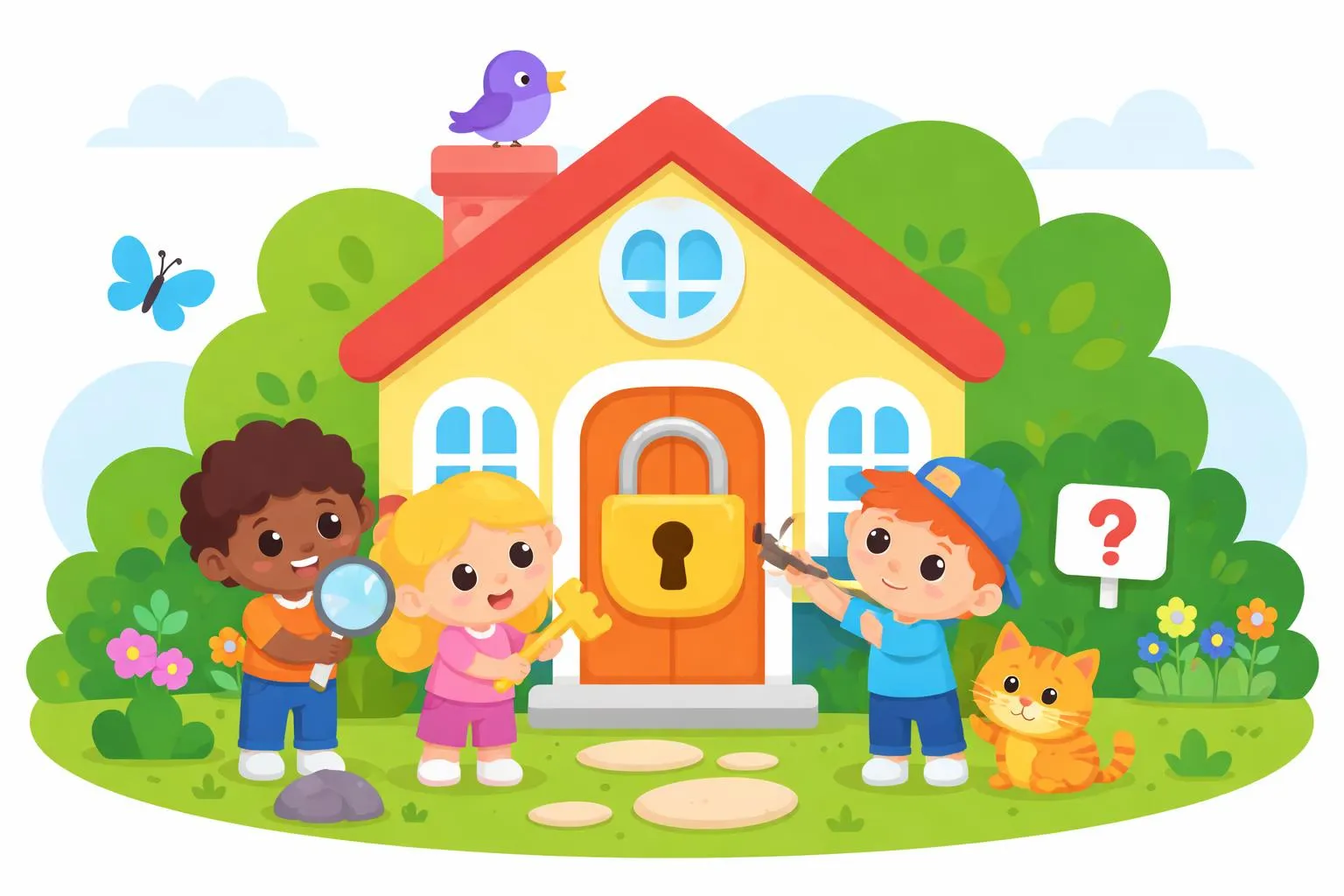
- Art Integration: Students might create visual art projects depicting the imagery of the poem, such as the locked house or the surrounding landscape.
Reading Comprehension Questions
- What is the significance of the house in the poem?
- Why did the speaker initially fear that something might have happened to the house?
- How does the poem describe the relationship between love and hate?
- What does the poem suggest about the nature of material possessions versus emotional bonds?
- What does the speaker mean by "The theft and vandalism were our own"?
- How does the poem’s tone change from the beginning to the end?
- What lessons about life and relationships can readers learn from this poem?
Answers to Comprehension Questions
- The house symbolizes the shared past, memories, and emotional connection between the speaker and their companion.
- The speaker feared the house might have caught fire or been broken into, reflecting anxieties about losing what they valued.
- The poem suggests that love can sometimes feed on disguised hate, indicating that relationships can be complicated and contain hidden negative emotions.
- The poem contrasts the impermanence of material things with the stronger, more meaningful emotional bonds between people.
- This line means that the damage to their relationship or shared life was caused by their own actions or failures, not external forces.
- The tone shifts from hopeful and somewhat playful fear to a more somber, reflective, and accepting mood.
- Readers can learn about the fragility and complexity of love, the inevitability of change, and the importance of valuing emotional growth over material possessions.
This poem is a profound reflection on human experience that encourages readers, especially students, to think deeply about the nature of relationships, memory, and resilience. It offers valuable lessons for emotional growth and literary appreciation.














