
Original Poem:
The first retainer
he gave to her
was a golden
wedding ring.
The second—late at night
he woke up,
leaned over on an elbow,
and kissed her.
The third and the last—
he died with
and gave up loving
and lived with her.</p>
Poem Explanation and Analysis
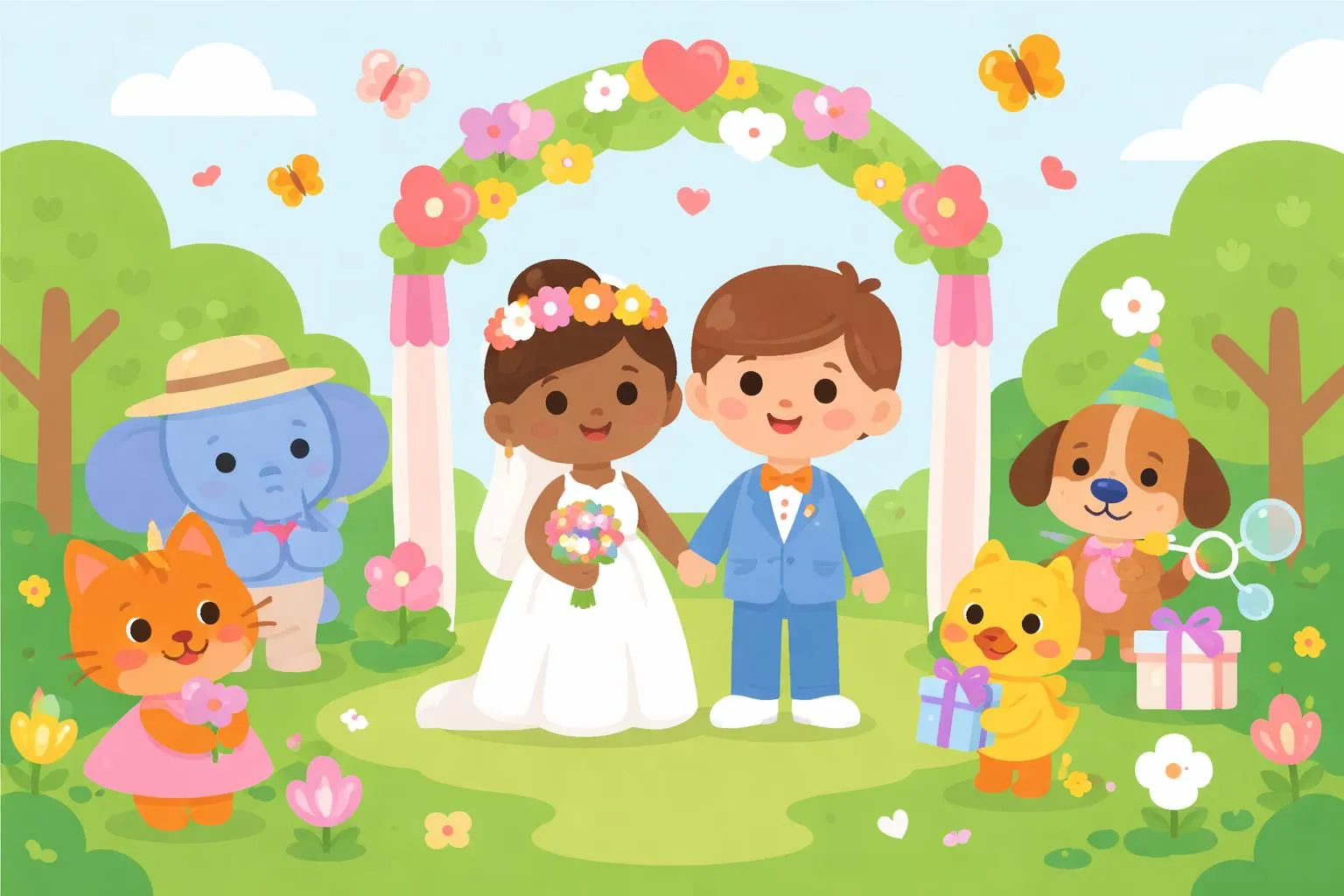
This poignant poem explores the progression of love and commitment within a lifelong relationship through three symbolic "retainers" or gifts given by a man to his partner. The first retainer, a golden wedding ring, represents the formal and public promise of marriage, a symbol of eternal love and unity. The second retainer is an intimate, tender moment — waking up late at night to lean over and kiss his partner — highlighting the ongoing emotional connection and affection beyond the formal bond. The third and last retainer is deeply moving: the man dies with his love, having "given up loving" in the sense of earthly passion but continuing to "live with her" in memory or spirit, symbolizing enduring companionship even beyond death.
The poem captures the evolution of love — from the initial promise, through daily acts of tenderness, to the ultimate devotion that transcends life itself. It emphasizes how love is not only about grand gestures but also about small, intimate moments and lifelong presence.
Background and Author Introduction
While the poem’s author is not specified here, this style of poetry often reflects themes common in classical and modern romantic literature. Such poems typically originate from cultures valuing lifelong commitment and the sanctity of marriage. The use of simple yet profound imagery makes it accessible for all ages, especially children and students, to grasp the deep emotional layers of love and loyalty.
Reflection and Personal Response
Reading this poem invites us to reflect on the nature of love and relationships. It reminds us that love is multi-dimensional — it includes promises, daily care, and ultimately, a bond that can transcend even death. The poem’s simplicity and emotional depth make it a beautiful tribute to lifelong partnership, encouraging readers to cherish both the grand and subtle moments in their own relationships.
Educational Value for Children and Students
From this poem, children and students can learn several important lessons:
- The meaning of commitment: The golden wedding ring symbolizes a promise that is meant to last a lifetime.
- The importance of small acts of love: The kiss late at night shows that love is nurtured by everyday gestures.
- The concept of enduring love: Even when physical presence ends, love and memories continue to live on.
- Symbolism in poetry: Students can learn how objects and actions represent deeper emotions and ideas.
- Emotional intelligence: Understanding the feelings behind the words helps develop empathy and appreciation for relationships.
Practical Applications in Life and Learning
- In family and friendships: Encourage children to express love through small, caring actions, not just big events.
- In writing and literature classes: Use this poem to teach symbolism, metaphor, and the structure of short poems.
- In social studies or moral education: Discuss the values of loyalty, commitment, and emotional support.
- In personal reflection: Inspire students to think about what love means in their own lives and how they show it.
Reading Comprehension Exercises
- What is the significance of the golden wedding ring in the poem?
- Describe the second retainer and explain what it symbolizes.
- What does the third retainer mean in the context of the poem?
- How does the poem show the progression of love over time?
- Why do you think the poet chose to end the poem with the idea of living with someone after death?
Answer Key
- The golden wedding ring symbolizes a formal promise of marriage and lifelong commitment.
- The second retainer is a kiss given late at night, symbolizing ongoing affection and intimacy in the relationship.
- The third retainer represents the man dying with his love, showing that love continues even after physical life ends.
- The poem shows love evolving from a formal promise, to daily tenderness, to eternal companionship.
- The poet likely wanted to express that true love transcends physical existence and remains alive in memory and spirit.
This poem offers a rich opportunity for students to explore themes of love, commitment, and symbolism, while also encouraging personal reflection on the meaning of relationships in their own lives.