
Original Poem:
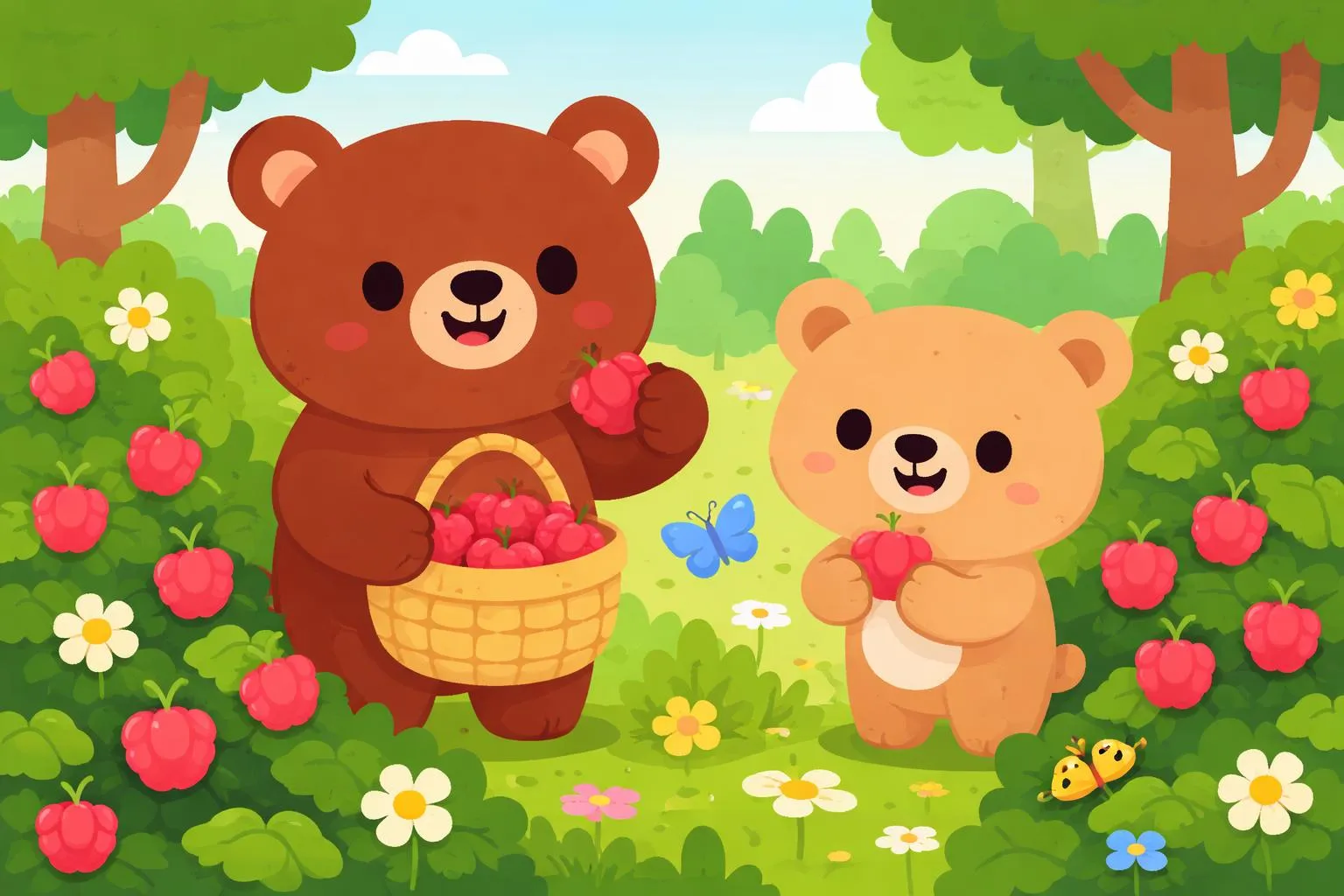
Fear. Three bears
are not fear, mother
and cubs come berrying
in our neighborhood
like any other family.
I want to see them, or any
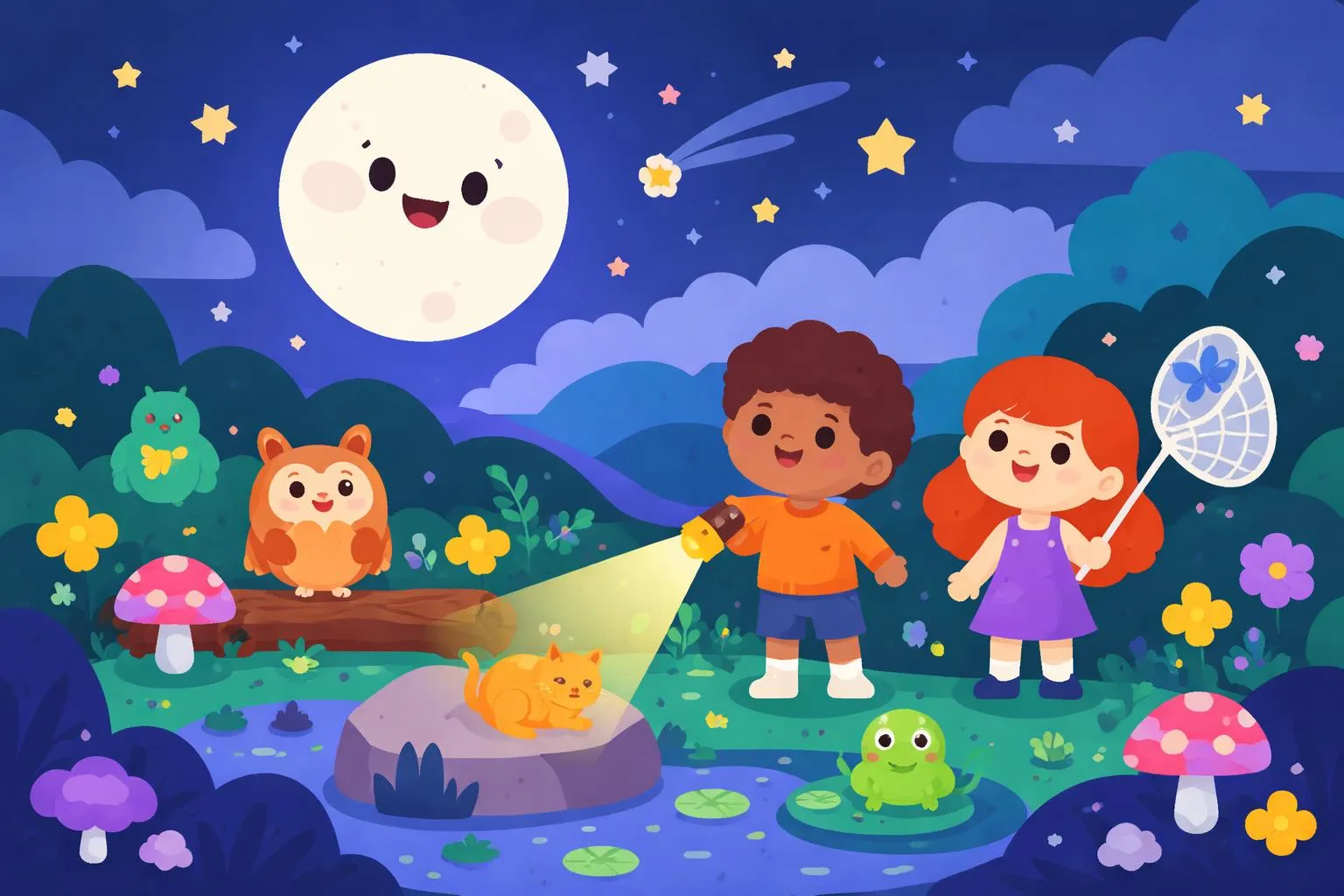
distraction. Flashlight
poking across the brook
into briary darkness,
but they have gone,
noisily. I go to bed.
Fear. Unwritten books
already titled. Some
idiot will shoot the bears
soon, it always happens,
they’ll be strung up by the paws
in someone’s frontyard
maple to be admired and
measured, and I'll be paid
for work yet to be done—
with a broken imagination.
At last I dream. Our
plum tree, little, black,
twisted, gaunt in the
orchard: how for a moment
last spring it flowered
serenely, translucently
before yielding its usual
summer crop of withered
leaves. I waken, late,
go to the window, look
down to the orchard.
Is middle age what makes
even dreams factual?
The plum is serene and
bright in new moonlight,
dressed in silver leaves,
and nearby, in the waste
of rough grass strewn
in moonlight like diamond dust,
what is it?—a dark shape
moves, and then another.
Are they ... I can’t
be sure. The dark house
nuzzles my knee mutely,
pleading for meaty dollars.
Fear. Wouldn’t it be great
to write nothing at all
except poems about bears?
Analysis and Interpretation of the Poem
This poem explores the complex emotion of fear, using the imagery of bears in a natural setting as a central motif. The poet begins by confronting the idea that three bears — a mother and her cubs — are not inherently frightening; they are simply a family gathering berries, living peacefully in the neighborhood. This challenges the common perception of bears as dangerous creatures, suggesting instead a more nuanced view of nature.
The speaker’s desire to see the bears or find any distraction highlights a tension between curiosity and fear. The flashlight probing into the dark, briary woods symbolizes the human attempt to illuminate and understand the unknown, yet the bears vanish noisily, reinforcing the elusive nature of fear and the wild.
The poem then shifts to a darker, more cynical tone: the “unwritten books already titled” refers to the inevitable fate of these bears — being shot by someone, hung up for display, and admired in a morbid way. This imagery criticizes human cruelty and the destruction of imagination and creativity, as the speaker laments being paid for “work yet to be done” but with a “broken imagination.”
The dream sequence about the plum tree introduces a moment of serene beauty and hope, contrasting with the earlier fear and violence. The plum tree, though twisted and gaunt, flowers briefly with translucent serenity before yielding to withered leaves, symbolizing fleeting moments of peace amidst hardship.
The poem ends with a mystical scene under the new moonlight, where the plum tree shines silver and dark shapes move nearby, possibly the bears again. The speaker’s uncertainty about what they see reflects the ongoing ambiguity between fear and wonder. The presence of the dark house and a pet nuzzling for “meaty dollars” grounds the poem in everyday life, reminding us of the mundane alongside the mysterious.
Finally, the speaker expresses a wish to write only poems about bears, suggesting a desire to focus on this powerful symbol of nature, fear, and beauty, rather than the complexities and cruelties of the world.
Background and Author Introduction
This poem is likely written by a contemporary poet who reflects on themes of nature, fear, and human impact on wildlife. The imagery and tone suggest a deep connection to rural or semi-rural life, where encounters with wild animals are both common and fraught with tension.
The author uses simple yet evocative language to convey complex emotions, blending realism with dreamlike sequences. The poem’s structure, moving from observation to fear to dream, mirrors the human experience of confronting the unknown — sometimes with curiosity, sometimes with dread.
Understanding the historical and environmental context is important: many regions have experienced conflicts between humans and wildlife, particularly bears, due to habitat encroachment and hunting. The poem subtly critiques these issues while inviting readers to reconsider their relationship with nature.
Educational Value and Learning Points for Children and Students
This poem offers several valuable lessons for young readers and students:
- Understanding Fear: The poem helps children explore fear as a natural but complex emotion, showing that fear can be both real and imagined.
- Respect for Nature: It encourages respect for wildlife, portraying bears not as monsters but as families living their lives.
- Environmental Awareness: The poem raises awareness about the consequences of human actions on animals and the environment.
- Imagination and Creativity: The speaker’s struggle with a “broken imagination” invites discussion about how fear and societal issues can affect creativity.
- Observation Skills: The vivid descriptions of the natural world encourage students to observe their surroundings carefully and appreciate subtle details.
- Symbolism and Metaphor: Students can learn to identify and interpret symbols such as the plum tree and moonlight, enhancing literary analysis skills.
Practical Applications and Life Lessons
- In Nature Study: Teachers can use this poem to introduce topics on wildlife behavior, habitats, and conservation.
- In Emotional Learning: The poem can be a tool to discuss emotions like fear, curiosity, and hope, helping students articulate their feelings.
- Creative Writing: Students can be inspired to write their own poems or stories about animals or nature, using sensory details and metaphor.
- Critical Thinking: The poem’s critique of hunting and environmental destruction can prompt debates and projects on ethical treatment of animals.
- Mindfulness and Observation: Encouraging students to notice small details in nature, similar to the poem’s imagery, can foster mindfulness.
Reading Comprehension Questions
- What is the speaker’s initial attitude toward the bears?
- How does the poem describe the fate of the bears?
- What does the plum tree symbolize in the poem?
- Why does the speaker mention a “broken imagination”?
- What emotions does the poem evoke when describing the night scene?
- What message does the poem convey about human interaction with nature?
- How does the poem use imagery to create mood?
- What is the significance of the speaker’s wish to write only poems about bears?
Answers
- The speaker sees the bears not as objects of fear but as a family living naturally.
- The poem suggests that the bears will be shot and displayed, a tragic and cruel fate.
- The plum tree symbolizes fleeting beauty and serenity amid hardship and decay.
- The “broken imagination” reflects the speaker’s frustration with creativity limited by harsh realities.
- The night scene evokes mystery, wonder, and a subtle fear of the unknown.
- The poem warns against cruelty to animals and encourages respect and empathy.
- Vivid imagery of light, darkness, and nature creates a mood of tension and tranquility.
- The wish reflects a desire to focus on nature’s beauty and complexity, avoiding darker human issues.