
Original Poem:
Don’t let that horse
eat that violin
cried Chagall’s mother
But he
kept right on
painting
And became famous
And kept on painting
The Horse With Violin In Mouth
And when he finally finished it
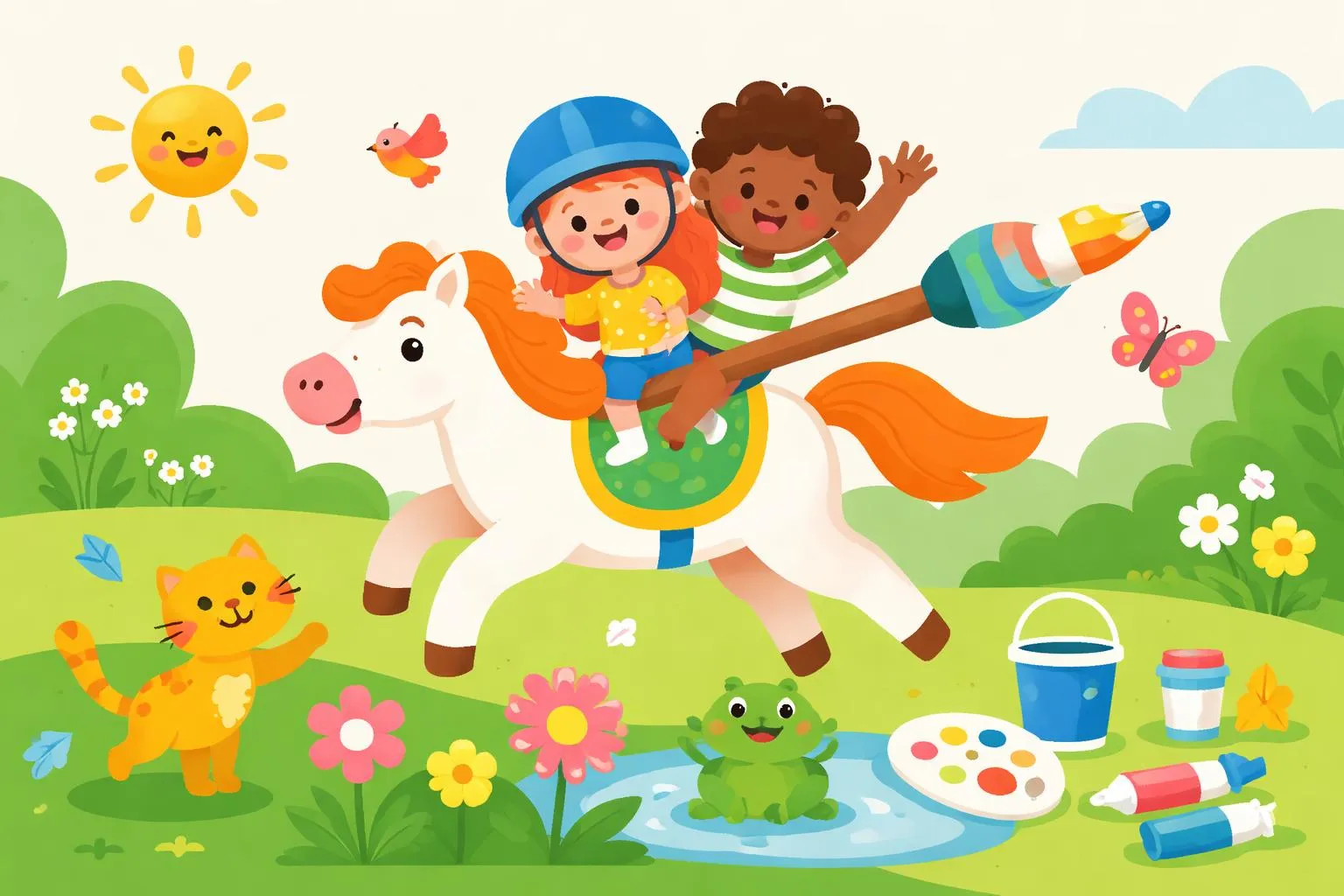
he jumped up upon the horse
and rode away
waving the violin
And then with a low bow gave it
to the first naked nude he ran across
And there were no strings
attached
Analysis and Interpretation of the Poem
This whimsical poem tells a playful and imaginative story centered around a horse, a violin, and an artist who is undeterred by warnings. The opening line, “Don’t let that horse eat that violin,” introduces a humorous and surreal image that immediately captures the reader’s attention. The artist’s mother warns him, but he continues to paint, symbolizing persistence and dedication to his craft despite external doubts or obstacles.
The poem then follows the artist’s journey as he creates a painting titled “The Horse With Violin In Mouth,” which becomes a symbol of his creative vision. The act of riding away on the horse while waving the violin and gifting it to a naked nude figure suggests freedom, generosity, and the breaking of conventional boundaries. The final line, “And there were no strings attached,” cleverly plays on the literal and metaphorical meaning of strings on a violin, implying that the gift is given freely without conditions.
Overall, the poem celebrates artistic passion, imagination, and the courage to follow one’s unique vision regardless of warnings or societal expectations.
Background and Author Introduction
This poem references Marc Chagall, a renowned 20th-century artist known for his colorful, dreamlike paintings that often featured animals, musicians, and fantastical scenes. Chagall’s work bridged modernism and folklore, blending reality with fantasy. The poem’s mention of “Chagall’s mother” adds a personal touch, reflecting the tension between parental concern and artistic ambition.
The poem itself is a modern, playful tribute to Chagall’s spirit of creativity and his ability to merge the ordinary with the extraordinary. It captures the essence of an artist’s journey—overcoming doubts, embracing imagination, and sharing art freely with the world.
Reflection and Personal Response
Reading this poem evokes a sense of joy and inspiration. It encourages us to embrace our creativity and not be discouraged by others’ warnings or doubts. The image of the artist riding away on a horse with a violin in its mouth is both humorous and symbolic of breaking free from limitations. It reminds us that art and creativity are gifts meant to be shared without expectation.
This poem also highlights the importance of perseverance. Despite his mother’s concern, the artist continues to paint and ultimately achieves fame. It teaches us that following our passion requires courage and persistence.
Educational Insights and Learning Points
From this poem, children and students can learn several valuable lessons and knowledge points:
- Creativity and Imagination: The poem encourages imaginative thinking by presenting unusual and whimsical images, such as a horse eating a violin.
- Perseverance: The artist’s determination to keep painting despite warnings teaches the importance of persistence in achieving goals.
- Symbolism: Students can explore how objects like the violin and horse symbolize freedom, creativity, and generosity.
- Art Appreciation: The poem introduces Marc Chagall’s artistic style and themes, providing a gateway to learning about modern art and artists.
- Language Play: The phrase “no strings attached” serves as a pun, illustrating how language can have multiple meanings.
Practical Applications in Life and Learning
- In Classroom Settings: Teachers can use this poem to inspire creative writing and art projects, encouraging students to think beyond literal meanings and explore symbolism.
- In Personal Growth: The poem’s message about following one’s passion despite challenges can motivate students to pursue their interests with confidence.
- In Language Learning: The poem offers examples of idiomatic expressions and figurative language, useful for vocabulary and comprehension exercises.
Reading Comprehension Exercises
- What warning does Chagall’s mother give in the poem?
- What does the artist do despite his mother’s warning?
- What is the significance of the painting titled “The Horse With Violin In Mouth”?
- How does the artist share his creation at the end of the poem?
- What does the phrase “no strings attached” mean in the context of the poem?
Answers
- Chagall’s mother warns him not to let the horse eat the violin.
- Despite the warning, the artist continues painting and becomes famous.
- The painting represents the artist’s creative vision and imagination.
- The artist rides away on the horse and gives the violin to a naked nude figure with a low bow.
- The phrase means the gift is given freely without any conditions or obligations.
This poem is a delightful example of how art and poetry can intertwine to inspire creativity, resilience, and generosity in young learners and readers of all ages.