
Original Poem:
Here come real stars to fill the upper skies,
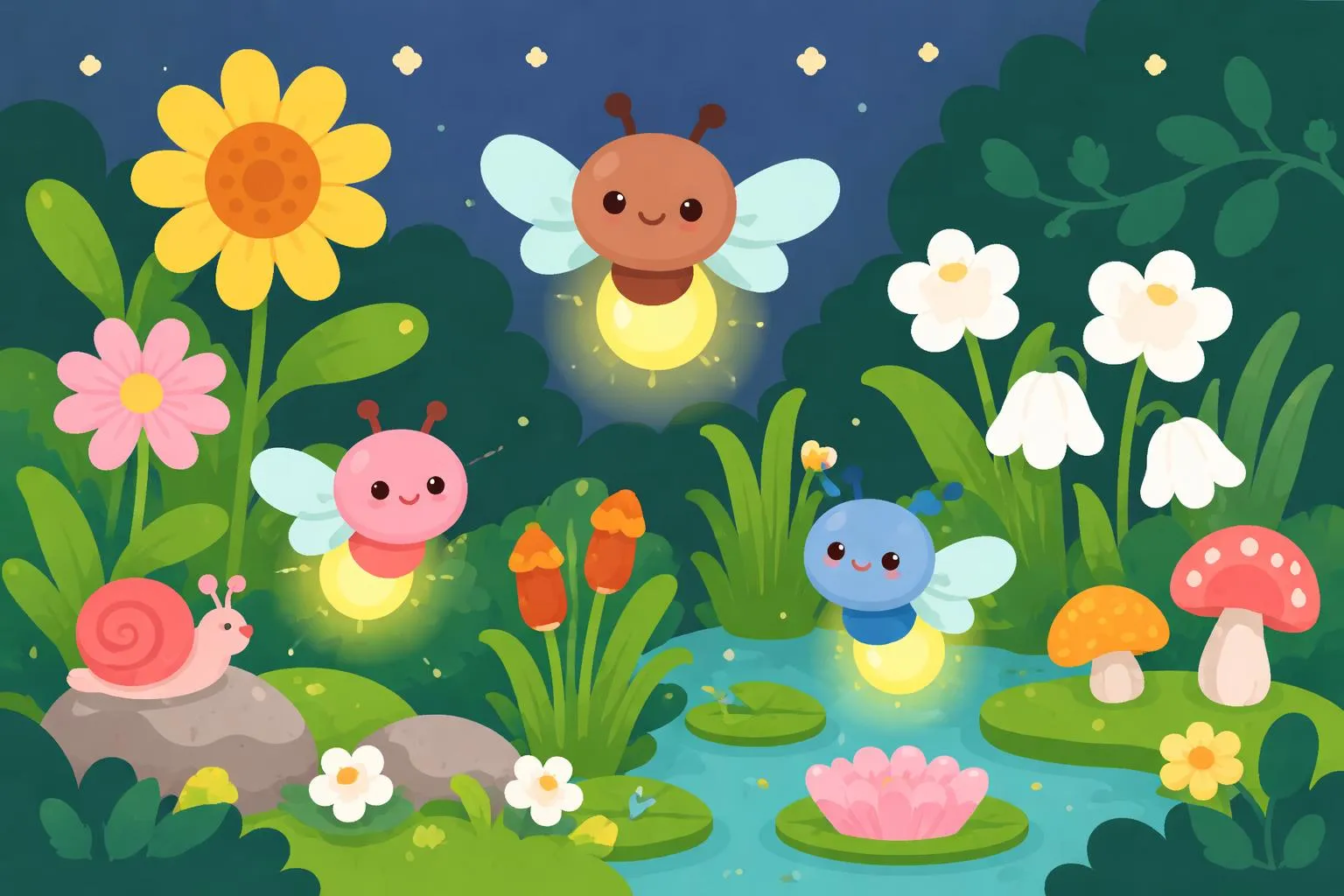
And here on earth come emulating flies,
That though they never equal stars in size,
(And they were never really stars at heart)
Achieve at times a very star-like start.
Only, of course, they can't sustain the part.
Expanded Analysis and Explanation
Meaning and Interpretation
This short poem presents a vivid metaphor contrasting real stars in the sky with emulating flies on earth. The "real stars" symbolize genuine greatness or true brilliance, shining steadily and magnificently in the heavens. In contrast, the "emulating flies" represent those who attempt to imitate or mimic greatness but lack the true substance or capacity to sustain it. Although these flies may occasionally have a moment of brilliance, akin to a "star-like start," they ultimately cannot maintain such a level of excellence.
The poem subtly explores themes of authenticity versus imitation, transience versus permanence, and the nature of true talent or success. It suggests that while many may try to shine or succeed, only a few possess the genuine qualities needed to endure and truly excel.
Background and Author Introduction
This poem is a concise and thoughtful piece that likely comes from a literary tradition valuing reflection on human nature and ambition. The author uses simple imagery accessible to children but layered with meaning that adults can appreciate. Unfortunately, the poem's author is not specified here, but the style resembles that of poets who blend nature imagery with philosophical insights, such as William Blake or Robert Frost.
The poem’s creation context might be linked to teaching lessons about self-awareness and humility, encouraging readers to recognize the difference between fleeting success and lasting achievement.
Personal Reflection
Reading this poem invites us to think about our own ambitions and the efforts we make to succeed. It reminds us that while it is natural to want to shine and be recognized, true success requires more than just an initial burst of energy or talent. It requires consistency, dedication, and authenticity. The metaphor of flies trying to be stars can also be a gentle warning against superficiality and the temptation to pretend to be something we are not.
Educational Value and Learning Points
What Children and Students Can Learn
- Metaphorical Thinking: The poem encourages young learners to understand and appreciate metaphors, comparing stars and flies to real-life qualities of people.
- Vocabulary Development: Words like emulating, sustain, and part (in the sense of a role or performance) broaden students’ language skills.
- Moral Lessons: It teaches the value of authenticity, perseverance, and self-awareness.
- Critical Thinking: Students can analyze why some may only have a "star-like start" and what it means to sustain success.
- Nature Imagery: The poem connects natural elements (stars and flies) with human traits, helping students relate literature to the natural world.
Practical Application in Life and Learning
- In School: Students can be encouraged to focus on consistent effort rather than just initial success, understanding that true achievement comes from sustained work.
- In Social Life: The poem can help children appreciate genuine friendships and discourage superficial behavior.
- In Personal Growth: It inspires self-reflection about one’s strengths and weaknesses and the importance of being true to oneself.
- Creative Writing: Students can practice writing their own metaphors or short poems inspired by this style.
Reading Comprehension Exercises
-
What do the "real stars" symbolize in the poem?
a) People who shine brightly for a short time
b) Genuine and lasting greatness
c) Flies that imitate stars
d) The sky at night -
Why are the flies described as "emulating"?
a) Because they are bigger than stars
b) Because they try to imitate the stars
c) Because they live in the sky
d) Because they shine all the time -
What does the poem suggest about those who have a "star-like start"?
a) They always become stars
b) They cannot keep up their initial success
c) They are the same as real stars
d) They are bigger than stars -
What lesson can we learn from this poem?
a) Only size matters
b) Imitation is better than originality
c) True success requires more than just a good start
d) Flies are better than stars -
Which word best describes the tone of the poem?
a) Humorous
b) Reflective
c) Angry
d) Sad
Answers:
- b) Genuine and lasting greatness
- b) Because they try to imitate the stars
- b) They cannot keep up their initial success
- c) True success requires more than just a good start
- b) Reflective
This poem, though brief, offers rich material for language learning, literary appreciation, and personal development. It encourages readers, especially children and students, to think deeply about the difference between fleeting impressions and enduring qualities, a valuable lesson for all stages of life.