
Original Poem:
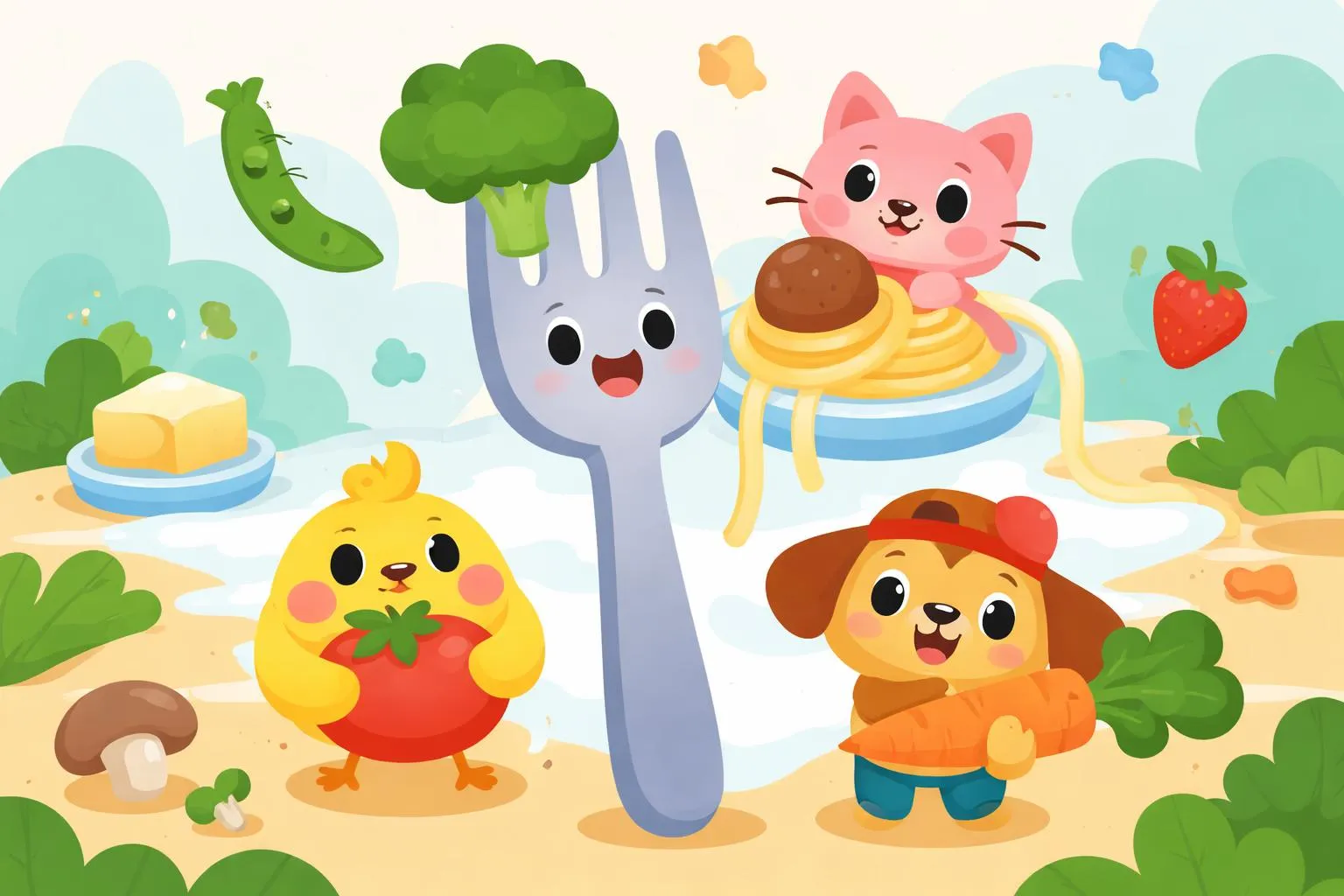
This strange thing must have crept
Right out of hell.
It resembles a bird’s foot
Worn around the cannibal’s neck.
As you hold it in your hand,
As you stab with it into a piece of meat,
It is possible to imagine the rest of the bird:
Its head which like your fist
Is large, bald, beakless, and blind.
Expanded Analysis and Interpretation
Understanding the Poem
This poem presents a vivid and somewhat eerie image of a mysterious object that appears almost otherworldly — “crept right out of hell.” The imagery is striking, comparing this object to a bird’s foot worn around a cannibal’s neck, evoking a sense of danger and the grotesque. The poem invites readers to visualize the object closely, imagining it as part of a bird whose head is described as large, bald, beakless, and blind, much like a human fist.
The poem’s tone is dark and mysterious, creating a sense of curiosity mixed with unease. The object is described in a way that makes it both tangible (you can hold it, stab with it) and yet strange and unsettling. The contrast between the familiar (a bird’s foot, a fist) and the unfamiliar (cannibal’s neck, a bird without a beak or eyes) invites readers to explore themes of transformation, fear, and imagination.
Meaning and Interpretation
At its core, the poem seems to explore the idea of perception and imagination. The object, while strange and frightening, is also a prompt to imagine what it might have come from — the rest of the bird. The bird’s head being “large, bald, beakless, and blind” suggests something incomplete or unnatural, perhaps symbolizing loss, deformity, or the unknown.
The poem could be interpreted as a metaphor for encountering something strange or frightening in life — something that challenges our understanding or expectations. The act of holding and stabbing the object might symbolize engagement with fear or the unknown, encouraging the reader to confront and imagine beyond what is immediately visible.
Background and Author Introduction
While the poem’s author is not specified here, the style and themes suggest a writer interested in dark imagery and surrealism, possibly drawing from folklore or mythological elements. Such poems often aim to provoke thought and stimulate the imagination, especially in younger readers who are learning to explore language and symbolism.
If this poem is part of a children’s poetry collection, it likely serves to introduce children to creative thinking and vivid imagery, encouraging them to see ordinary objects in extraordinary ways. The use of a bird’s foot and the cannibal’s neck may be inspired by traditional stories or cultural myths that use animal parts symbolically.
Reflections and Personal Response
Reading this poem can be a unique experience. It challenges the reader to engage with something unfamiliar and a little unsettling, but also to use imagination to fill in the gaps. The poem’s vivid descriptions make it memorable and provoke curiosity about what the “strange thing” really is.
For many readers, especially children, this poem might evoke feelings of mystery and wonder, pushing them to think beyond the literal and explore symbolic meanings. It also encourages careful observation and the use of all senses to understand the world around them.
Educational Value and Learning Points
What Children and Students Can Learn
- Imagery and Visualization: The poem is a great example of how words can create strong mental images, helping students practice visualization skills.
- Metaphor and Symbolism: Students can learn to identify and interpret metaphors, understanding how objects can represent ideas or emotions.
- Creative Thinking: The poem encourages imaginative thinking by inviting readers to imagine the rest of the bird and the story behind the object.
- Vocabulary Development: Words like “crept,” “cannibal,” “beakless,” and “bald” expand students’ vocabulary and understanding of descriptive language.
- Tone and Mood: The poem’s dark and mysterious tone helps students recognize how word choice affects mood.
Applications in Life and Learning
- Creative Writing: Students can use this poem as a model to write their own descriptive poems or stories about strange objects or creatures.
- Art and Illustration: The vivid imagery can inspire art projects where students draw or paint their interpretation of the poem.
- Critical Thinking: Discussing the poem’s meaning helps develop analytical skills and the ability to interpret abstract ideas.
- Emotional Expression: The poem can be a starting point for conversations about fear, curiosity, and imagination, helping children express complex feelings.
Challenges and Focus Areas
- Understanding abstract imagery may be difficult for younger children, so guided discussion is helpful.
- Exploring metaphorical language requires practice and examples.
- Encouraging students to use their imagination while grounding their interpretations in the text is an important skill to develop.
Reading Comprehension Questions
- What does the poem say the strange thing looks like?
- How does the poem describe the bird’s head?
- What feelings does the poem’s imagery create?
- Why do you think the poet compares the object to something worn around a cannibal’s neck?
- What do you imagine the rest of the bird looks like based on the poem?
- What do you think the poem is trying to make the reader feel or think about?
- Can you find any words in the poem that help create a scary or mysterious mood?
- How does the poem encourage you to use your imagination?
Answer Key
- The poem says the strange thing looks like a bird’s foot worn around a cannibal’s neck.
- The bird’s head is described as large, bald, beakless, and blind, similar to a fist.
- The imagery creates feelings of mystery, fear, and curiosity.
- The comparison to something worn around a cannibal’s neck suggests danger and something eerie or unusual.
- The rest of the bird might be imagined as strange and incomplete, possibly missing important features like a beak or eyes.
- The poem tries to make the reader feel curious and a little unsettled, encouraging them to imagine beyond what they see.
- Words like “crept,” “hell,” “cannibal,” “bald,” and “blind” help create a scary or mysterious mood.
- The poem encourages imagination by asking the reader to picture the rest of the bird and think about what the strange object might be.
This poem is an excellent resource for teaching children how to use language creatively and to explore complex feelings through poetry. It opens doors to imagination, symbolism, and emotional expression, making it a valuable tool in both language arts and personal development.