
Original Poem:
From blossoms comes
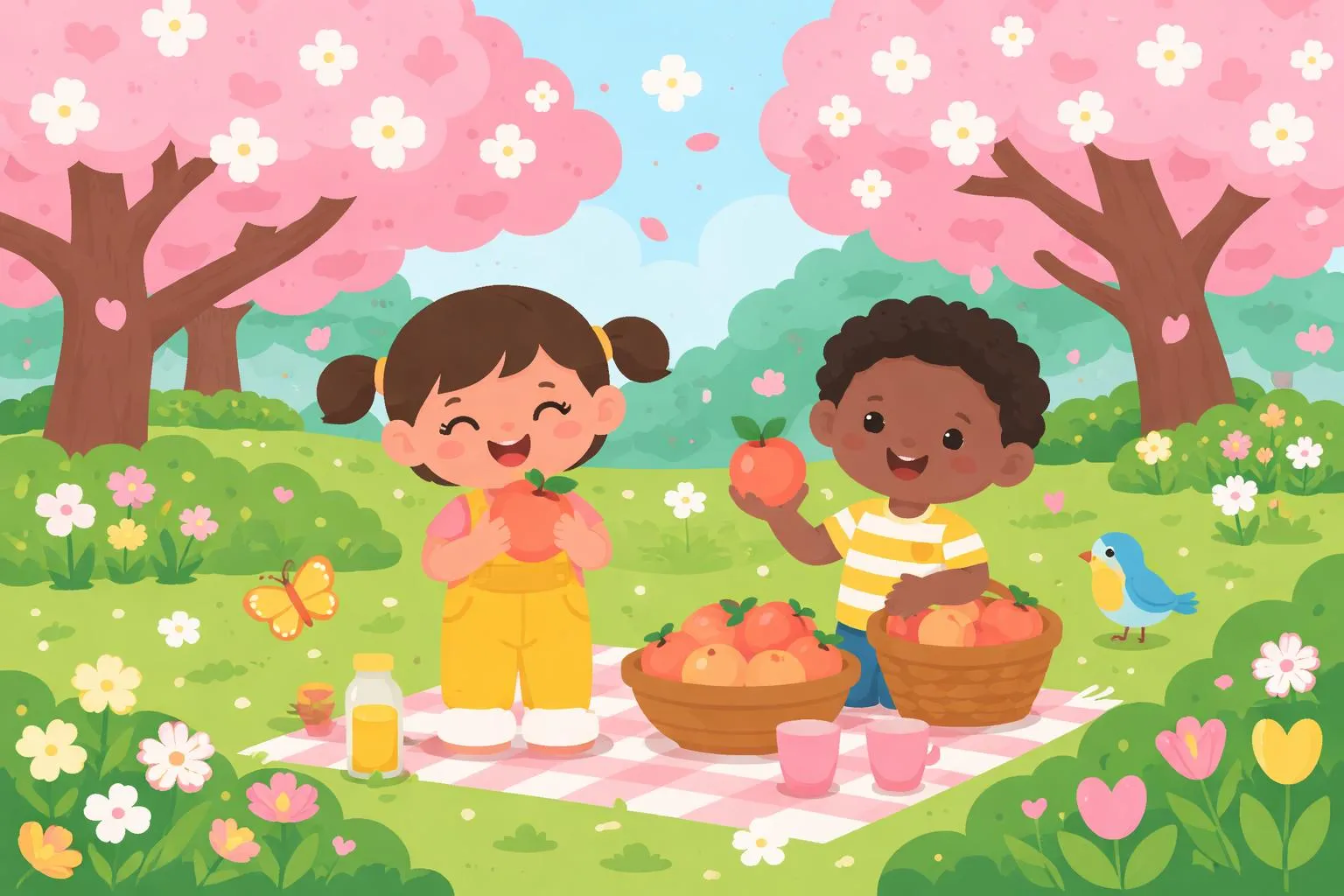
this brown paper bag of peaches
we bought from the boy
at the bend in the road where we turned toward
signs painted
Peaches
.
From laden boughs, from hands,
from sweet fellowship in the bins,
comes nectar at the roadside, succulent
peaches we devour, dusty skin and all,
comes the familiar dust of summer, dust we eat.
O, to take what we love inside,
to carry within us an orchard, to eat
not only the skin, but the shade,
not only the sugar, but the days, to hold
the fruit in our hands, adore it, then bite into
the round jubilance of peach.
There are days we live
as if death were nowhere
in the background; from joy
to joy to joy, from wing to wing,
from blossom to blossom to
impossible blossom, to sweet impossible blossom.
Poem Explanation and Appreciation
This beautiful poem vividly captures the essence of summer through the imagery of peaches, symbolizing life’s sweetness and fleeting moments of joy. The poem begins by tracing the origin of the peaches—from the delicate blossoms on trees to the brown paper bag purchased from a boy at a roadside stand. This journey from blossom to fruit illustrates the natural cycle of growth and harvest, emphasizing the connection between nature and human experience.
The peaches are described not just as fruit but as a sensory experience: their "dusty skin," the "nectar," and the "familiar dust of summer" evoke a tactile, almost nostalgic feeling. The poet invites us to savor not only the physical fruit but also the memories and emotions tied to it—the shade, the days, the joy. The poem’s tone is celebratory and contemplative, reflecting on how moments of happiness can feel abundant and timeless, as if "death were nowhere in the background."
The repetition of "from joy to joy to joy" and "from blossom to blossom" creates a rhythmic flow that mirrors the continuous cycle of life and renewal. The phrase "impossible blossom" suggests that some joys are rare and almost magical, encouraging the reader to cherish such moments deeply.
Background and Author Introduction
This poem is by Li-Young Lee, a contemporary American poet known for his lyrical and intimate style. Lee often explores themes of family, memory, and the natural world, blending personal history with universal emotions. His work is celebrated for its simplicity and profound depth, making complex feelings accessible through vivid imagery and gentle language.
The poem likely draws from Lee’s experiences of childhood and the natural environment, reflecting a universal appreciation for the small, beautiful moments in life. It also touches on themes of impermanence and the desire to hold onto joy despite life's inevitable challenges.
Reflection and Insights
Reading this poem encourages us to slow down and appreciate the simple pleasures around us—like the taste of fresh fruit or the warmth of summer days. It reminds us to be present and to carry these joyful moments within us as a source of comfort and strength.
The poem also invites reflection on the cycle of life and death, suggesting that embracing joy fully is a way to live meaningfully. It teaches us that beauty and happiness often come from ordinary experiences, and that cherishing these can enrich our lives deeply.
Learning Opportunities for Children and Students
From this poem, children and students can learn:
- Imagery and sensory language: How poets use descriptive words to create vivid pictures and evoke feelings.
- Symbolism: Understanding how peaches symbolize joy, life, and the passage of time.
- Themes of nature and impermanence: Recognizing the natural cycles and appreciating the present moment.
- Emotional expression: Learning to connect emotions with everyday experiences.
In practical terms, students can apply these lessons in writing exercises by describing their own favorite foods or seasons using sensory details. They can also reflect on moments of happiness and how to express these feelings in poetry or prose.
Applications in Daily Life and Learning
- In education: Teachers can use this poem to introduce figurative language and thematic analysis.
- In personal growth: Students can practice mindfulness by observing nature and savoring small joys.
- In creative writing: Encourages writing about personal experiences with rich sensory details.
- In cultural studies: Understanding how simple acts like buying peaches can connect to broader human experiences and traditions.
Reading Comprehension Questions
- Where did the narrator buy the peaches?
- What sensory details does the poem use to describe the peaches?
- What does the poet mean by "to carry within us an orchard"?
- How does the poem describe the feeling of joy?
- What is the significance of the phrase "impossible blossom"?
- How does the poem connect nature with human emotions?
- What theme about life and death is suggested in the poem?
Answer Key
- The narrator bought the peaches from a boy at the bend in the road where signs were painted "Peaches."
- The poem describes the peaches as having dusty skin, nectar, and being succulent, evoking taste and touch.
- "To carry within us an orchard" means to hold the memory and essence of the orchard and its fruit inside oneself, symbolizing internalizing joy and beauty.
- Joy is described as continuous and abundant, moving "from joy to joy to joy," suggesting a feeling of endless happiness.
- "Impossible blossom" refers to rare and magical moments of beauty and joy that feel almost beyond belief.
- The poem connects nature and human emotions by showing how the physical experience of peaches reflects deeper feelings of love, joy, and life’s cycles.
- The poem suggests that although death exists, there are days when we live fully in joy, as if death is not present, emphasizing the importance of embracing life’s pleasures.