
Original Poem:
’Twas brillig, and the slithy toves
Did gyre and gimble in the wabe:
All mimsy were the borogoves,
And the mome raths outgrabe.
“Beware the Jabberwock, my son!
The jaws that bite, the claws that catch!
Beware the Jubjub bird, and shun
The frumious Bandersnatch!”
He took his vorpal sword in hand;
Long time the manxome foe he sought—
So rested he by the Tumtum tree
And stood awhile in thought.
And, as in uffish thought he stood,
The Jabberwock, with eyes of flame,
Came whiffling through the tulgey wood,
And burbled as it came!
One, two! One, two! And through and through
The vorpal blade went snicker-snack!
He left it dead, and with its head
He went galumphing back.
“And hast thou slain the Jabberwock?
Come to my arms, my beamish boy!
O frabjous day! Callooh! Callay!”
He chortled in his joy.
’Twas brillig, and the slithy toves
Did gyre and gimble in the wabe:
All mimsy were the borogoves,
And the mome raths outgrabe.</p>
Understanding and Interpretation of the Poem
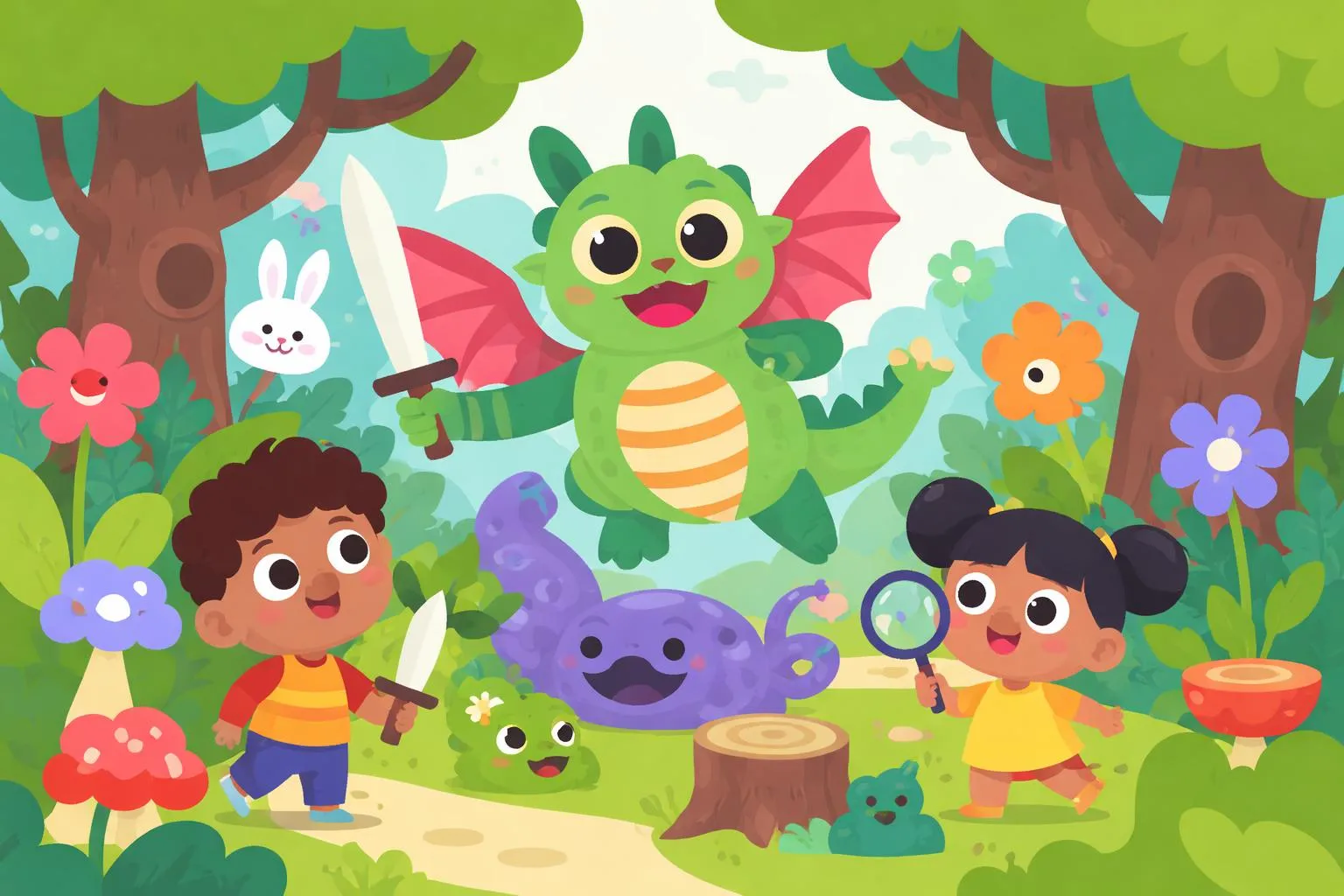
This poem, titled <em>"Jabberwocky"</em>, is a famous nonsense poem written by Lewis Carroll. It is known for its playful use of invented words and imaginative language that create a whimsical and mysterious atmosphere. The poem tells a story of a young hero who is warned by his father to beware of strange creatures such as the Jabberwock, the Jubjub bird, and the Bandersnatch. Armed with his "vorpal sword," the hero ventures into the woods, confronts, and ultimately slays the fearsome Jabberwock. The poem ends with a joyful celebration of the victory.</p>
Despite the many made-up words like <strong>“brillig,” “slithy,” “toves,” “gyre,”</strong> and <strong>“gimble,”</strong> readers can infer meaning from the context and the rhythm of the poem. This creative use of language encourages imagination and invites readers to explore the sounds and moods evoked by the words rather than relying solely on literal meaning.</p>
Background and Author Introduction
<strong>Lewis Carroll</strong> was the pen name of Charles Lutwidge Dodgson, an English writer, mathematician, and logician born in 1832. He is best known for his children’s books <em>Alice’s Adventures in Wonderland</em> and <em>Through the Looking-Glass</em>. "Jabberwocky" appears in the latter book, published in 1871, and is presented as a poem written by the fictional character Humpty Dumpty. Carroll’s work is celebrated for its clever wordplay, fantasy, and the blending of logic with nonsense, which has captivated readers of all ages for over a century.</p>
Themes and Literary Significance
The poem explores themes of bravery, adventure, and the triumph of good over evil, all wrapped in a fantastical setting. Its inventive language challenges conventional storytelling and showcases how sound and rhythm can convey meaning beyond traditional vocabulary. "Jabberwocky" is a landmark in literary nonsense, influencing poets, writers, and artists who appreciate the freedom of creative expression.</p>
Lessons and Learning Opportunities for Children and Students
<ul> <li><strong>Creativity and Imagination:</strong> The poem encourages readers to invent their own meanings and visualize unique creatures and settings, fostering creative thinking.</li> <li><strong>Language Skills:</strong> Encountering new and unfamiliar words helps children develop phonetic awareness and appreciate the playful side of language.</li> <li><strong>Critical Thinking:</strong> Students learn to use context clues to interpret meaning, an important skill in reading comprehension.</li> <li><strong>Story Structure:</strong> The poem follows a clear narrative arc with a beginning, conflict, climax, and resolution, which can be analyzed and discussed.</li> </ul>Practical Applications and Inspirations
In everyday life and education, "Jabberwocky" can be used as a tool to:</p>
<ul> <li>Inspire creative writing exercises where students invent their own nonsense words and stories.</li> <li>Enhance phonics lessons by exploring how sounds form words, even if the words are imaginary.</li> <li>Encourage discussions about courage and facing fears, as symbolized by the hero’s battle with the Jabberwock.</li> <li>Introduce literary devices such as alliteration, rhyme, and rhythm through engaging and playful text.</li> </ul>